How to Choose Quality Green Coffee Beans for Your Roastery
Your roasted coffee is only as good as the green beans you start with. No level of roasting expertise can compensate for poor-quality raw material. For coffee roasteries, choosing the right green beans is the foundation of flavour consistency, brand reputation, and long-term success.
This guide explains how to identify quality green coffee beans, understand grading and processing methods, evaluate suppliers, and build a sustainable buying strategy for your roastery.
Understanding Green Coffee Quality
Quality assessment begins long before roasting. Green coffee quality is determined by a combination of visual appearance, physical characteristics, origin, processing, and sensory evaluation.
Visual Quality Indicators
Uniformity
Uniformity is one of the clearest indicators of quality. Beans should be consistent in size and shape. Uniform beans roast evenly, allowing better control of roast development and more repeatable results. Mixed sizes often lead to uneven roasting, with some beans scorching while others remain underdeveloped.
Colour
High-quality green coffee typically shows a grayish-blue or grayish-green hue, indicating proper drying and storage. Yellowish or pale beans often suggest ageing, poor processing, or storage issues, all of which can negatively impact flavour.
Physical Quality Markers
Density
Denser beans generally contain more sugars and complex carbohydrates, which translate into greater sweetness and flavour complexity in the cup. High-density beans are usually grown at higher altitudes, where cooler temperatures slow cherry maturation.
A simple test: quality beans should feel hard and compact, not soft or brittle.
Moisture Content
Ideal moisture content for green coffee is 10–12%.
- Too dry: coffee roasts too quickly and tastes flat
- Too moist: higher risk of mould, faded flavours, and storage instability
Investing in a moisture meter is essential for any professional roastery.
Origin and Altitude Impact on Quality
Coffee grown above 1,200 metres generally develops more complex flavours due to slower maturation. Labels such as Strictly High Grown (SHG) or Strictly Hard Bean (SHB) indicate higher altitude cultivation and often higher quality potential.
Single Origin vs Regional Blends
Single-origin coffees from specific farms or cooperatives provide better traceability, transparency, and quality control than large regional blends. They also allow roasteries to communicate a clear origin story to customers.
Regional Flavour Profiles
Different origins produce distinct flavour characteristics:
- Ethiopia – floral, citrus, tea-like acidity
- Colombia – balanced sweetness, caramel, chocolate notes
- Brazil – nutty, chocolate-forward, low acidity
- Indonesia – earthy, spicy, full-bodied, low acidity
Building a diverse origin portfolio helps showcase range while appealing to different customer preferences.
Coffee Processing Methods Explained
Processing methods significantly influence how green coffee behaves during roasting and how it tastes in the cup.
Washed (Wet-Processed) Coffee
The fruit is removed before fermentation and washing.
Flavour profile: clean, bright acidity, high clarity
Common regions: Central America, East Africa
Natural (Dry-Processed) Coffee
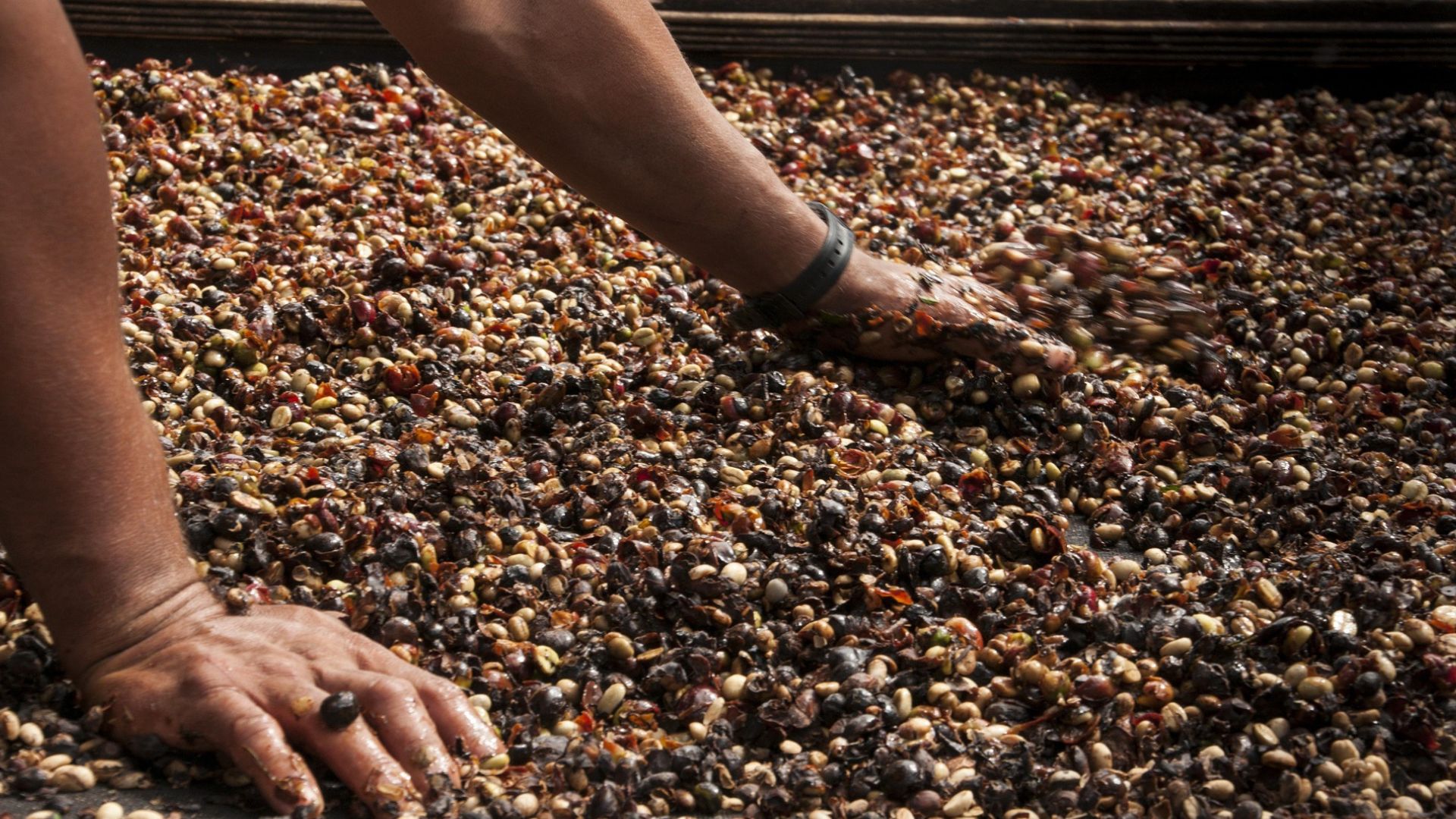
Whole cherries are dried with the fruit intact.
Flavour profile: fruity, heavy body, intense sweetness
Common regions: Ethiopia, Brazil
Honey-Processed Coffee
The skin is removed, but mucilage remains during drying.
Flavour profile: balanced sweetness, rounded acidity
Common regions: Costa Rica, Central America
Each method requires different roasting approaches, so understanding processing is critical when selecting green beans.
Green Coffee Grading Standards
Defect Categories
According to Specialty Coffee Association (SCA) standards, a 350g sample must meet the following to qualify as specialty grade:
- Zero Category 1 defects (black beans, fungus, stones, sticks)
- Maximum five Category 2 defects (insect damage, broken beans, partial black beans)
Physical Metrics
Beyond defects, monitor:
- Moisture: 10–12%
- Density: 670–750 g/L (Arabica)
A decline in density or increase in defects over time indicates quality deterioration.
Cupping and Sensory Evaluation
Numbers alone don’t define quality. Cupping remains the most important evaluation tool.
Setting Up Your Cupping Protocol
- Use standardised grind size and brew ratios
- Evaluate aroma, flavour, sweetness, acidity, body, and balance
- Taste as the coffee cools
- Check uniformity across multiple cups
Comparative Cupping
- Cup different lots side-by-side
- Roast the same coffee at multiple profiles to understand its range
Never purchase green coffee without cupping samples first. Reliable suppliers will always provide samples.
Proper Storage for Green Coffee Beans
Green coffee is more stable than roasted coffee, but proper storage is essential.
Optimal Storage Conditions
- Temperature: around 20°C
- Humidity: 50–60%
- Store in GrainPro or lined jute bags
- Keep off concrete floors and away from exterior walls
Managing Freshness
- Use within 6–8 months of harvest for peak flavour
- Rotate inventory (first in, first out)
- Pull samples monthly to monitor quality
Understanding harvest cycles helps ensure you buy coffee at peak freshness.
Building Strong Supplier Relationships
What to Look for in a Supplier
A good green coffee supplier offers more than just beans:
- Full traceability and transparency
- Detailed origin and processing data
- Cupping notes and roasting guidance
- Consistent communication and feedback
Visiting Origin
Whenever possible, visit producing countries. Seeing farms firsthand provides deeper insight into quality, processing, and long-term sustainability.
Sustainability and Ethical Sourcing
Modern consumers increasingly care about how coffee is sourced.
Evaluating Ethical Practices
- Are farmers paid fairly?
- Are environmental practices considered?
- Is there reinvestment in farming communities?
Some importers now provide full price transparency, showing how much reaches producers—an important factor for values-driven roasteries.
Creating Your Green Coffee Buying Strategy
Define Your Roastery’s Philosophy
Decide what defines your brand:
- Bright single origins
- Balanced blends
- Experimental processing
Establish Quality Control Systems
- Cup every lot regularly
- Track green grading, cupping scores, roast profiles, and customer feedback
Balance Your Inventory
Maintain core year-round offerings alongside seasonal or limited lots that highlight your expertise.
Start focused, then expand strategically.
Conclusion: Quality Starts With Green Beans
Quality green beans are non-negotiable. They form the foundation of every successful roastery.
By understanding green coffee quality indicators, processing methods, grading standards, and ethical sourcing practices, you set yourself up for consistent results and long-term growth. Build strong supplier relationships, cup regularly, and keep learning as the global coffee market evolves.
Remember: exceptional coffee always starts with exceptional green beans. Everything else follows from that first decision.
Also read:
- The Art of Coffee Roasting, Techniques and Tips for Better Flavor
- Coffee Cupping Analysis, How Professionals Evaluate Coffee
- 10 Things Every Coffee Roastery Should Know Before It’s Too Late
Don’t forget to subscribe