Stingless Bees Boost Coffee Yields With Pesticide Use
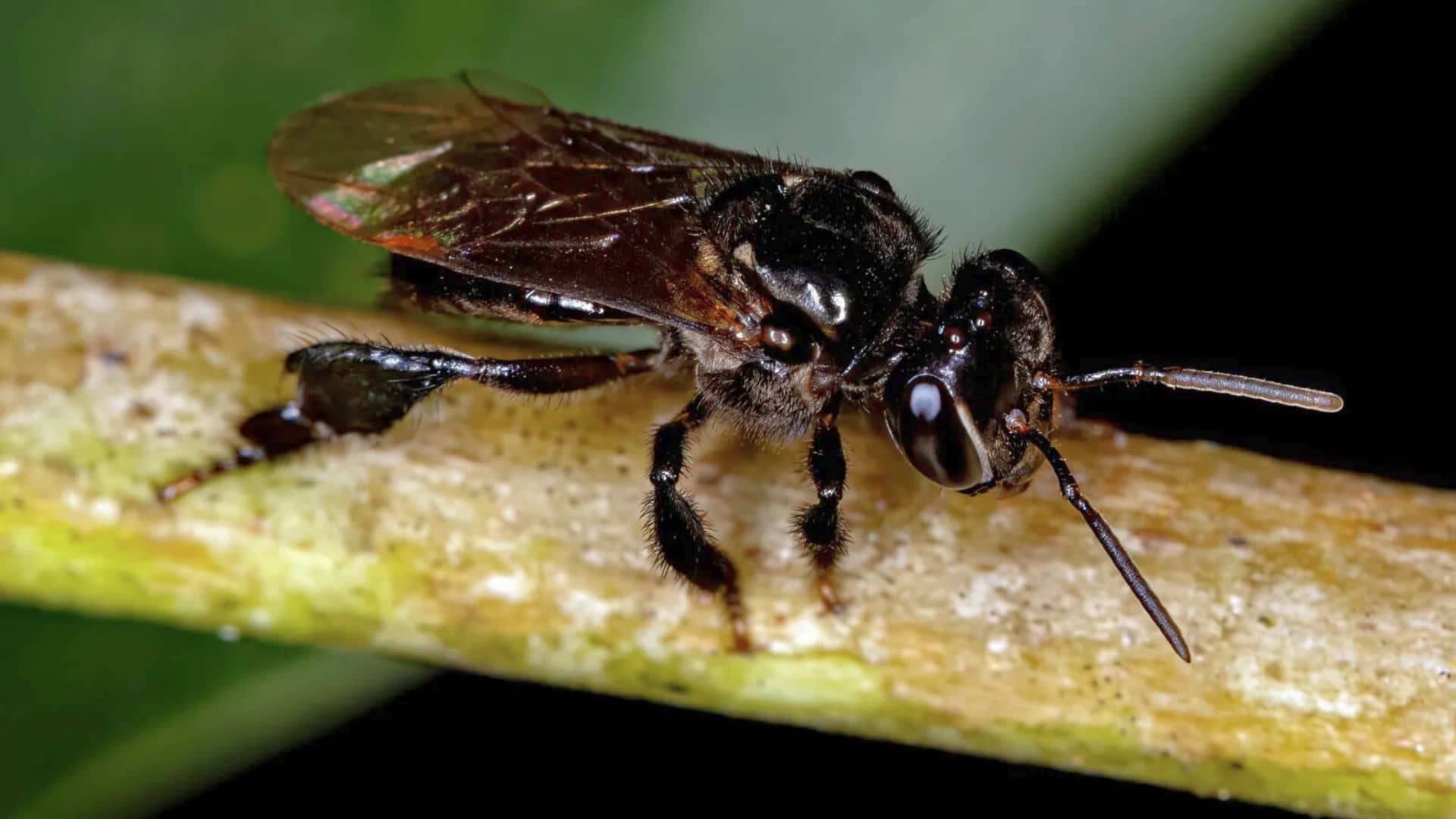
Modern coffee growers face a persistent dilemma: how to protect crops from pests without harming the vital pollinators needed for a productive harvest. A groundbreaking study from Brazil offers an evidence-backed solution to this conflict, demonstrating that a small, stingless bee, Scaptotrigona depilis, can dramatically increase crop yields while showing resilience within conventional agricultural systems.
Published in Frontiers in Bee Science, the research offers coffee growers a clear strategy to increase profitability while improving farm ecosystems. The study quantifies this benefit with a remarkable increase in crop output.
Quantifying the Impact: A Significant Increase in Coffee Yield
Pollination is a critical, yet often overlooked, component of coffee production. To create effective agricultural strategies, it is essential to move beyond general principles and quantify the precise impact of pollinators in real-world farm settings. This study provides exactly that, analyzing the specific yield improvements directly attributable to the presence of managed bee colonies.
The primary finding demonstrates the immense pollinating power of this species. Researchers reported a 67% higher fruit yield on arabica coffee branches located within 50 meters of Scaptotrigona depilis colonies compared to branches situated 200-300 meters away.
This substantial increase stands out even when compared to previous research. For context, consider these recent findings:
- A 2022 global meta-analysis found that animal pollination increased arabica fruit set by an average of about 18%.
- Another major study from 2022 concluded that farms lacking both birds and bees experienced a 25% decline in yield compared to farms with them.A significant study published in 2022 reported that yields were 25% lower on farms lacking both birds and bees compared with farms that had them.
The 67% yield increase observed in this targeted study dramatically outpaces the average gains seen in broader analyses, suggesting that the managed introduction of a specific, highly effective pollinator can yield results far superior to relying on ambient pollinator populations. Beyond boosting yield, the study confirmed the bees’ resilience in conventional farm settings – a critical finding for practical adoption.
Read also : Why Coffee Origin Matters More Than Most People Realize
Colony Health and Pesticide Resilience
A persistent challenge for modern agriculture is balancing the need for effective pest control with the protection of vital pollinators. The Brazilian study directly addressed this issue by evaluating how S. depilis colonies fared under conventional farming conditions, providing a crucial test of their real-world viability.
The research team monitored bee colonies on both conventional and organic farms to assess their health. Remarkably, the colonies placed on conventional farms showed similar brood production and brood mortality as those on the organic farms, suggesting the bees were not measurably harmed by the farming practices on the conventional sites.
A critical factor contributing to the bees’ resilience was the timing of pesticide application. Chemical treatments, including neonicotinoids, were applied the year prior to the bees’ introduction, likely allowing for residue degradation that minimized harm to the newly established colonies. The Brazilian research team highlighted this main conclusion:
“Managed stingless bees can significantly boost coffee production without showing measurable harm under current label-compliant neonicotinoid use.”
These results on bee resilience are directly supported by the study’s robust and transparent methodology.
An Overview of the Research Methodology
To fully appreciate the validity and applicability of these findings, it is essential to understand the design of the field study. The researchers established a clear and controlled experiment to measure the bees’ impact on both crop yield and their own colony health under typical farming conditions.
Read aslo : Stop Guessing: 5 Smart Ways to Evaluate Coffee Origins
The key parameters of the study were as follows:
- Study Location: The research was conducted on full-sun arabica farms across the Brazilian states of Minas Gerais and São Paulo, key coffee-growing regions.
- Colony Placement: Researchers introduced S. depilis colonies at a density of 10 colonies per hectare to ensure adequate pollinator presence.
- Yield Comparison: On six conventional farms, the team meticulously compared fruit yield on branches within a 50-meter radius of the colonies versus branches much farther away, at approximately 200-300 meters.
- Health Evaluation: To assess colony health under real-world conditions, the team monitored the colonies on the six conventional farms and additionally on two organic farms, allowing for comparison between the different systems.
The researchers prudently added a note of caution, stating that the effects of pesticides on pollinators can vary widely between farms. Factors such as the specific timing of application, the types of insecticides used, and the methods of application can all influence the outcome. This highlights the importance of label-compliant and carefully planned pest management. The study’s clear methodology provides a strong foundation for its powerful conclusions.
Conclusion
This Brazilian study provides a replicable blueprint, demonstrating that strategic ecological interventions are not just conservation efforts, but direct drivers of profitability. The research presents a compelling, dual-benefit solution for the coffee industry, quantifying a significant boost in yield from managed pollination while also showing that the stingless bee Scaptotrigona depilis can thrive under specific, label-compliant pesticide programs.
By shifting the sustainability discussion from theory to real-world action, the study provides what the authors describe as “practical insights” for building coffee production strategies that balance productivity with pollinator health and conservation.” Furthermore, it gives farmers a tangible tool for planning, showing how “manipulating pollinator abundance in coffee farms” can become a key lever for increasing output and building a more resilient agricultural system.

Wong young low is a coffee industry journalist from China who has been writing since 2007, focusing on specialty coffee, roasting, and market trends. He writes based on field experience and supply chain observations – helping roasters and coffee businesses make more accurate and realistic decisions.