Choosing a Coffee Roasting Machine in 2026
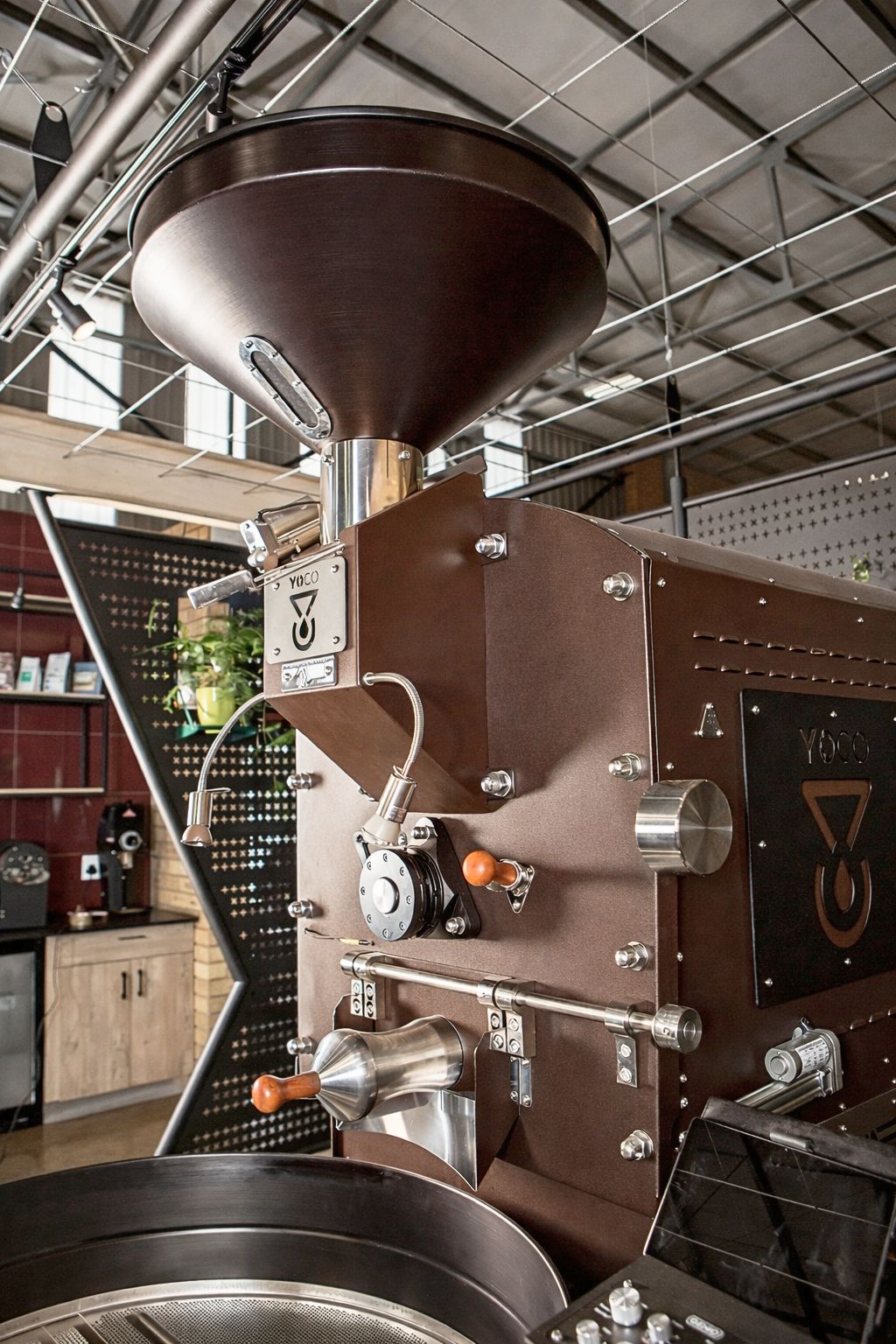
Choosing a coffee roasting machine has never been a purely technical decision. In 2026, it is increasingly a strategic one. Equipment choices now shape not only roast quality, but labor efficiency, production flexibility, cost exposure, and a roastery’s ability to adapt as markets and supply conditions change. For operators moving from small-batch roasting into commercial production or for established roasteries reassessing capacity the wrong machine can quietly lock in years of operational friction.
This guide approaches roasting machine selection not as a product comparison, but as a decision framework. The goal is to clarify how different machine categories behave in real operations, where they create constraints, and how those constraints scale from home setups to full commercial environments.
Start With the Business Model, Not the Machine
One of the most common mistakes in equipment selection is starting with features instead of workflow. A roasting machine does not exist in isolation. It sits inside a system that includes green sourcing, production scheduling, staffing, quality control, and sales channels.
A machine that performs well for sample roasting or limited direct-to-consumer sales may struggle when wholesale volumes increase. Conversely, a machine designed for high-throughput production may be inefficient or inflexible at low volumes. Before evaluating capacity or technology, operators need clarity on how the roastery intends to generate revenue over the next three to five years.
Key questions include batch frequency, SKU complexity, tolerance for profile variation, and labor availability. These factors matter more than maximum batch size printed on a specification sheet.
Capacity Ratings and the Reality of Throughput
Published capacity figures are among the most misunderstood aspects of roasting machines. Rated batch sizes assume ideal conditions and do not reflect sustainable daily throughput. In practice, most roasteries operate machines below their nominal capacity to preserve control, manage heat momentum, and maintain consistency.
For home and pilot-scale roasters, this discrepancy is manageable. For commercial operations, it becomes critical. A machine rated for 15 kilograms may only deliver reliable results at 10–12 kilograms, particularly when roasting light or development-sensitive profiles. That difference compounds across multiple batches per day.
Choosing a machine with realistic headroom reduces stress on both equipment and staff. Machines that are consistently pushed to their limits tend to drift thermally, increase maintenance demands, and narrow acceptable roast windows.
Drum, Air, and Hybrid Systems: Operational Trade-Offs
By 2026, the core roasting technologies remain familiar, but their implications are better understood.
Drum roasters continue to dominate commercial settings because they offer thermal mass stability and predictable development. They integrate well into multi-shift environments and tolerate a range of green densities. Their downside is slower responsiveness and higher energy consumption per batch.
Air roasters provide rapid heat transfer and cleaner profiles at smaller scales. They excel in sample roasting and limited production but can struggle with consistency as batch sizes increase. Noise, chaff handling, and energy efficiency also become more prominent concerns in café-integrated spaces.
Hybrid systems aim to bridge these gaps, offering improved responsiveness without sacrificing thermal stability. In practice, their success depends heavily on build quality and control software. Operators should evaluate how much complexity they are willing to manage day-to-day.
No system is inherently superior. Each imposes different constraints on workflow, maintenance, and training.
Automation, Control, and the Cost of Complexity
Automation has advanced significantly, but it introduces trade-offs. Profile logging, automated gas control, and integrated software can improve repeatability, particularly in operations with multiple operators. However, automation does not eliminate the need for skilled judgment.
Highly automated systems can mask underlying issues such as green variability or airflow imbalance. When something goes wrong, diagnosing the cause may require deeper technical knowledge than simpler machines demand. Downtime also becomes more expensive when proprietary components or software are involved.
For smaller teams, simpler control systems often outperform complex ones over time. For larger operations, automation can reduce variability if paired with robust training and quality oversight. The decision is less about sophistication and more about organizational readiness.
Energy Source and Infrastructure Constraints
Energy considerations are no longer secondary. Gas availability, electrical capacity, and local emissions regulations increasingly shape equipment choice. Electric roasters have improved in performance and reliability, but infrastructure upgrades can be costly and time-consuming.
Gas machines offer familiar performance characteristics, but ventilation, permitting, and fuel price volatility must be factored in. In mixed-use spaces, exhaust routing and heat management often become decisive constraints.
Selecting a roasting machine without fully understanding site limitations is a common and expensive error. Equipment that fits production goals but exceeds infrastructure capacity forces compromises elsewhere in the operation.
Maintenance, Service, and Total Cost of Ownership
Purchase price is only a fraction of the true cost of a roasting machine. Maintenance schedules, parts availability, and service access vary widely between manufacturers and regions.
Machines with excellent performance but limited local support can become liabilities. Delays in parts or specialized servicing translate directly into lost production and revenue. Over a five- to ten-year horizon, these costs often outweigh initial savings.
Experienced operators evaluate machines not just on how they roast, but on how they age. Build quality, mechanical simplicity, and ease of cleaning all influence long-term reliability.
Scaling From Home to Business: Transitional Risks
Many roasteries begin on small machines and scale up incrementally. This transition phase carries risk. Skills developed on one system do not always transfer cleanly to another. Heat application, airflow behavior, and feedback cues change with scale.
Choosing a machine that aligns philosophically with future expansion can ease this transition. Consistency in control logic and roasting approach reduces retraining costs and quality volatility. Abrupt shifts in technology often create extended adjustment periods where quality suffers quietly.
Planning for scale does not require overbuying capacity, but it does require avoiding dead ends.
Quality Control and Feedback Loops
Roasting machines shape how quality feedback is generated and acted upon. Machines with stable thermal behavior allow for clearer cause-and-effect relationships between adjustments and outcomes. Unstable machines produce noisy data that complicates quality control.
In professional environments, this clarity matters. It affects how quickly teams can diagnose issues, adjust profiles, and maintain standards across lots and seasons. Machines that obscure feedback increase reliance on corrective blending and post-roast fixes.
Quality control is not separate from equipment choice; it is embedded in it.
A Practical Takeaway for 2026
The best coffee roasting machine in 2026 is not the most advanced or the most powerful. It is the one that fits the realities of a specific operation today and under foreseeable pressure. Capacity headroom, infrastructure compatibility, service access, and workflow alignment matter more than novelty or specification extremes.
For industry professionals, the most productive step is to evaluate roasting machines as long-term operational partners rather than production tools. Reflecting honestly on how a machine will behave on the busiest, least forgiving days often reveals more than any demonstration roast ever could.
Follow us on :