Climate Impact on Coffee Prices : A Roaster’s Perspective
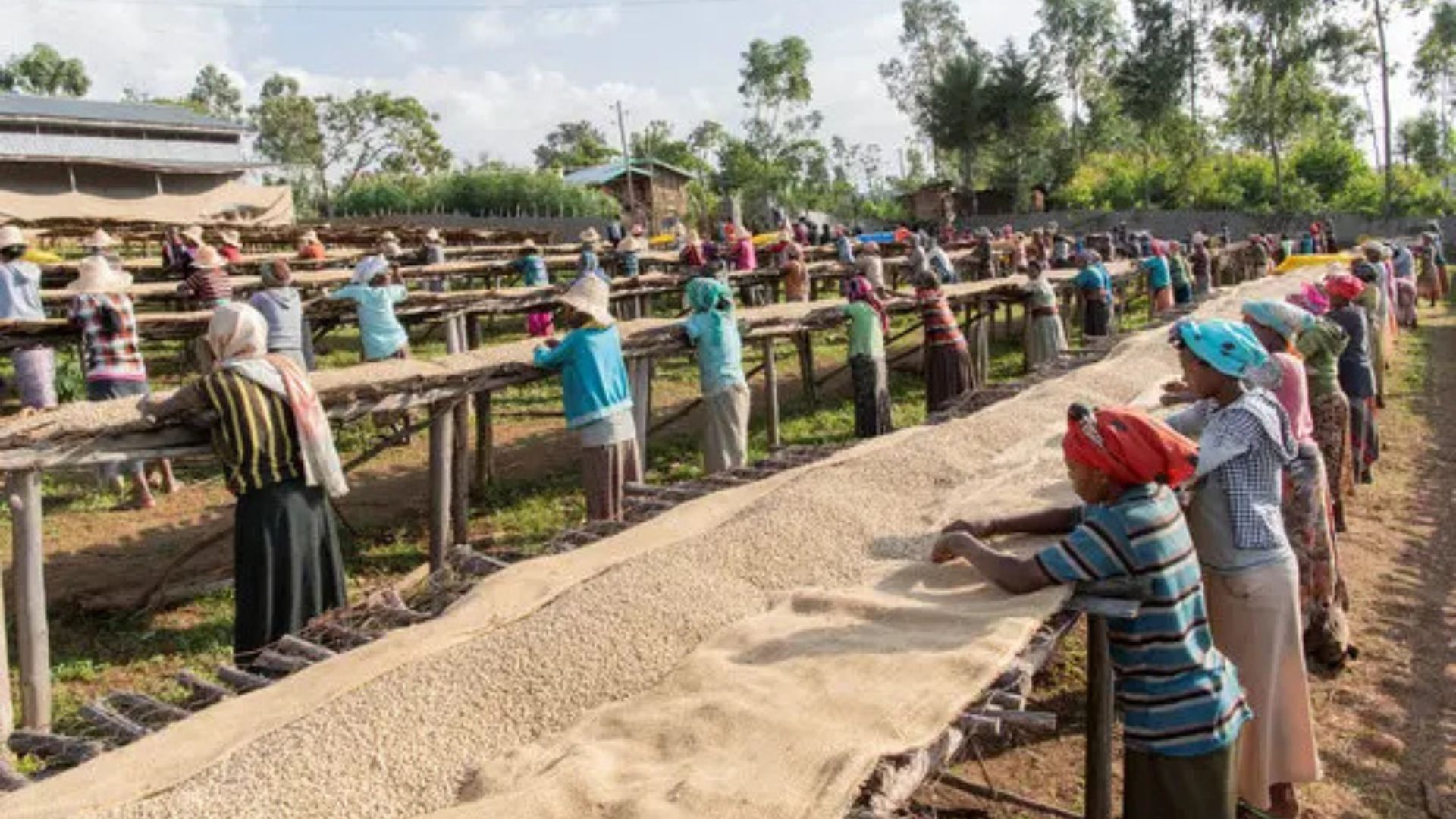
Climate change is no longer a distant concern for the coffee industry it is a daily reality reflected directly in coffee prices. For coffee roasteries, climate volatility has become one of the most influential forces shaping costs, sourcing decisions, and long-term business planning.
Unpredictable rainfall, rising temperatures, and extreme weather events are disrupting coffee production across key origins. These disruptions do not stay at farm level. They travel through exporters, importers, futures markets, and ultimately land on the desks of roasters trying to manage margins and maintain quality.
From delayed harvests in Brazil to declining yields in parts of Central America and East Africa, climate pressure is tightening global supply. As a result, price fluctuations are becoming sharper and more frequent. For roasteries, understanding how climate impacts coffee prices is no longer just industry knowledge it is essential risk awareness.
Seeing these changes from a roaster’s perspective reveals why climate has become one of the strongest price drivers in today’s coffee market.
How Climate Change Is Disrupting Global Coffee Supply
Climate affects coffee at its most fundamental level: plant health and yield.
Extreme Weather in Major Producing Countries
Coffee thrives within a narrow climate range. Small changes in temperature or rainfall can significantly impact flowering and cherry development.
Key producing countries are facing:
- Longer drought periods
- Irregular rainfall patterns
- Increased frost and heat stress risks
Brazil, the world’s largest coffee producer, has experienced multiple climate shocks over recent seasons. Even the risk of frost whether it materializes or not often triggers price reactions in global markets.
According to World Coffee Research, climate instability is now considered a structural risk rather than a temporary disruption.
Reduced Yield and Quality Variability
Climate stress does not only reduce volume. It also increases quality inconsistency. Beans may mature unevenly, leading to lower cup scores or higher defect rates.
For roasteries, this means:
- Higher prices for stable-quality lots
- More time spent on sample evaluation
- Increased rejection rates during sourcing
Supply tightness combined with quality uncertainty amplifies upward price pressure.
Why Climate Risk Drives Coffee Price Volatility
Climate does not influence prices directly it reshapes market expectations.
Futures Markets React to Risk Signals
Coffee prices often move before actual shortages occur. Futures markets respond to weather forecasts, satellite data, and early production estimates.
When climate risks rise:
- Traders price in potential supply losses
- Volatility increases even without confirmed damage
- Price swings become faster and harder to predict
This explains why coffee prices can rise sharply even during harvest periods.
Longer-Term Supply Concerns
Climate change is also shrinking the amount of land suitable for coffee cultivation. Studies referenced by Wikipedia’s coffee production overview note that some traditional growing regions may become less viable over time.
Markets increasingly price coffee not just on current supply, but on long-term sustainability concerns pushing baseline prices higher.
What Rising Climate Pressure Means for Roasteries
From a roastery’s perspective, climate-driven price shifts affect far more than purchasing costs.
Higher and Less Predictable Green Coffee Costs
Roasteries face:
- Frequent price renegotiations
- Shorter contract windows
- Increased competition for stable origins
Budget forecasting becomes more complex, especially for roasters operating on thin margins.
Pressure on Pricing and Product Strategy
As costs rise, roasteries must decide whether to:
- Adjust retail and wholesale prices
- Rework blends using alternative origins
- Reduce limited releases or seasonal offerings
Each decision affects brand positioning and customer perception.
Increased Importance of Origin Diversification
Climate risk is unevenly distributed. Roasteries increasingly diversify sourcing to reduce dependence on a single region or country.
This shift has encouraged exploration of emerging origins and closer collaboration with importers who provide real-time market insight.
How Roasteries Are Adapting to Climate-Driven Price Shifts
Successful roasteries focus on adaptation rather than reaction.
Strengthening Supplier Relationships
Long-term relationships with producers and exporters offer:
- Better communication during climate disruptions
- Early visibility into crop conditions
- More flexible contract arrangements
These partnerships often provide stability when markets tighten.
Building Climate Awareness into Sourcing Decisions
Roasteries are increasingly factoring climate resilience into origin selection prioritizing farms investing in shade management, soil health, and adaptive practices.
Organizations such as World Coffee Research emphasize that climate-smart agriculture plays a growing role in long-term supply security.
Communicating Value to Customers
As climate impacts push prices higher, roasteries are becoming more transparent with customers about why prices change. Education builds trust and aligns consumers with sustainability realities.
👉 [Also read: Related articles on this website]
Climate Impact and the Future of Coffee Pricing
Climate-driven volatility is unlikely to fade. Instead, it is becoming embedded in how coffee markets function.
Signals roasteries should watch closely include:
- Weather patterns in Brazil and Vietnam
- Shifts in arabica and robusta production zones
- Long-term yield forecasts from research institutions
- Policy and investment trends in climate adaptation
Roasteries that monitor these signals are better positioned to plan, rather than react.
Conclusion
Climate change is reshaping coffee prices at every level of the supply chain. For roasteries, its impact is felt through higher costs, increased volatility, and more complex sourcing decisions.
Understanding climate risk from a roaster’s perspective clarifies why price stability is becoming harder to achieve and why strategic adaptation matters more than ever. Roasteries that invest in diversified sourcing, strong partnerships, and market awareness will be better equipped to navigate an increasingly uncertain future.
In today’s coffee market, climate is no longer just an environmental issue. It is a pricing reality.