7 ways to choose raw coffee beans don’t make a mistake again!
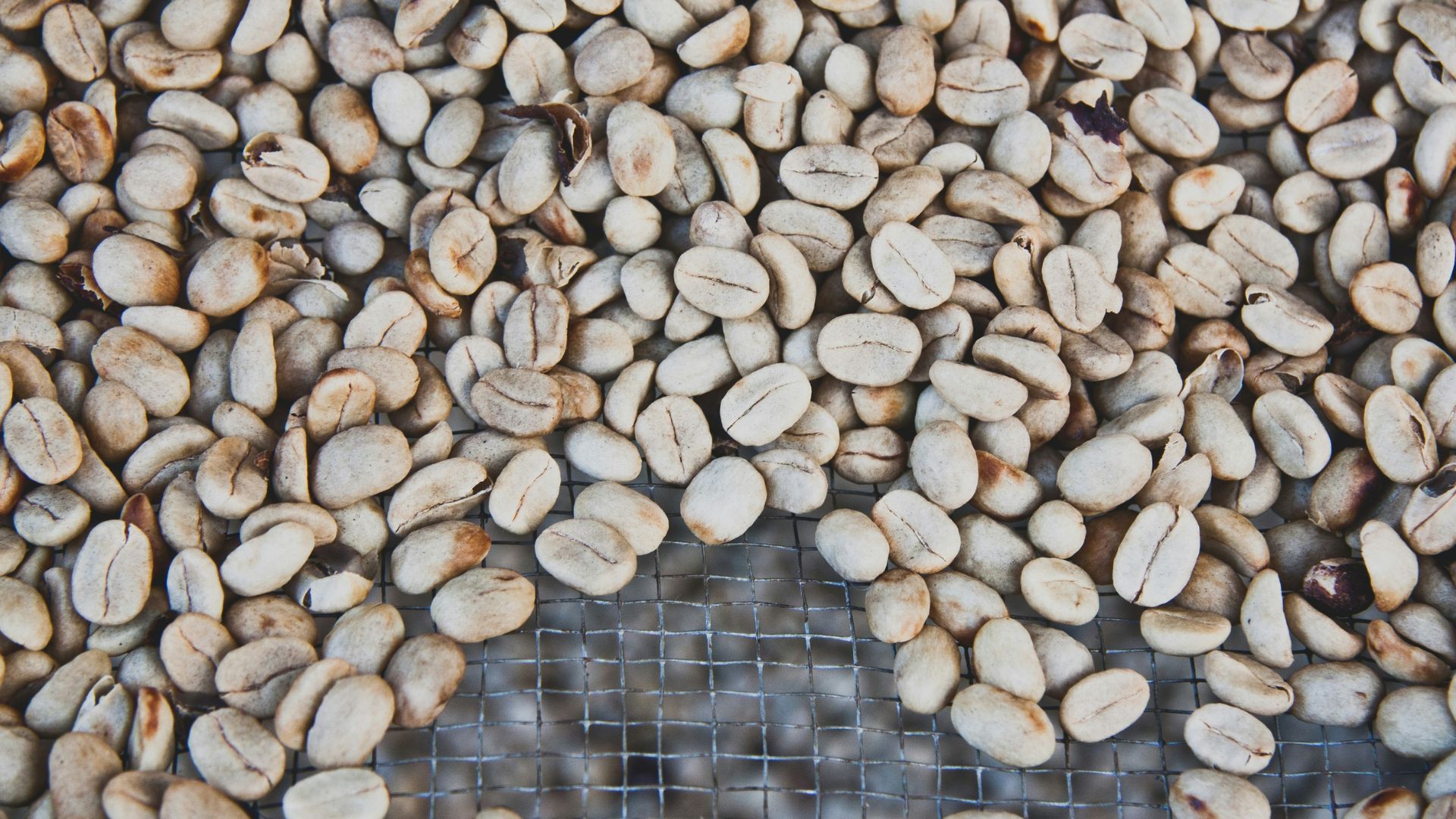
Choosing raw coffee beans is one of the most important decisions in the coffee journey.
Before roasting, brewing, or selling coffee, everything starts with green coffee selection.
However, many beginners and even some professionals make costly mistakes at this stage.
As a result, no roasting technique can fully fix poor-quality raw coffee.
This guide explains seven practical ways to choose raw coffee beans, using simple language and clear steps, so you can avoid mistakes and make better decisions.
1. Understand Where the Coffee Comes From
The first step is knowing the origin of the coffee.
Coffee flavor is strongly influenced by:
- Country and region
- Altitude
- Climate and soil
For example, high-altitude coffees often have brighter acidity, while lower-altitude coffees tend to taste heavier.
Before buying raw coffee, always ask:
- Where was it grown?
- At what altitude?
This basic information already tells you a lot about potential quality.
2. Check the Processing Method Carefully
Processing refers to how coffee cherries are handled after harvest.
The most common methods are:
- Washed (clean, bright flavors)
- Natural (fruity, heavier body)
- Honey (balanced sweetness)
In addition, poor processing can cause defects, regardless of origin.
If the seller cannot clearly explain the processing method, that is often a warning sign.
3. Look at the Physical Condition of the Beans
Always inspect raw coffee visually.
Good green coffee beans should be:
- Even in size
- Clean and free of mold
- Free from broken or black beans
On the other hand, uneven beans often roast unevenly, which leads to inconsistent flavor.
If possible, ask for a sample before committing to a larger purchase.
4. Pay Attention to Harvest Freshness
Freshness matters, even before roasting.
Green coffee beans lose quality over time.
Therefore, always check:
- Harvest year
- Storage conditions
As a general rule, green coffee is best used within 9 – 12 months after harvest when stored properly.
Old coffee often tastes flat, woody, or dull, no matter how well it is roasted.
5. Ask About Traceability and Transparency
Good raw coffee usually comes with clear information.
Reliable suppliers can explain:
- Who produced the coffee
- How it was processed
- How it was transported and stored
As a result, transparency builds trust and often signals higher quality.
If information is vague or missing, proceed carefully.
6. Cup the Coffee Before Buying in Large Quantities
Cupping is the most reliable way to evaluate raw coffee.
Professional buyers roast small samples and taste them to assess:
- Aroma
- Acidity
- Sweetness
- Balance
- Defects
In practice, even a basic cupping session can prevent expensive mistakes.
Never rely only on descriptions or promises.
7. Match the Coffee to Your Purpose
Finally, always choose raw coffee based on how you plan to use it.
Ask yourself:
- Is this for espresso or filter?
- Is it for commercial sales or personal use?
- Do I want consistency or uniqueness?
For this reason, the “best” coffee is not universal it depends on your goals.
A great coffee for espresso may not work well for filter brewing, and vice versa.
Common Mistakes to Avoid
Many buyers repeat the same errors:
- Choosing price over quality
- Ignoring defects
- Skipping sample roasting
- Buying without clear information
Ultimately, these mistakes cost more money than careful selection.
Conclusion
Choosing raw coffee beans is not about guessing or luck.
It is about asking the right questions and paying attention to details.
By following these seven steps, you can avoid common mistakes and select green coffee that performs well during roasting and delivers better flavor in the cup.
In the end, great coffee always starts with smart choices long before the beans ever touch a roaster.
Also read other articles, don’t miss it > here <