
Coffee Cupping Analysis, How Professionals Evaluate Coffee
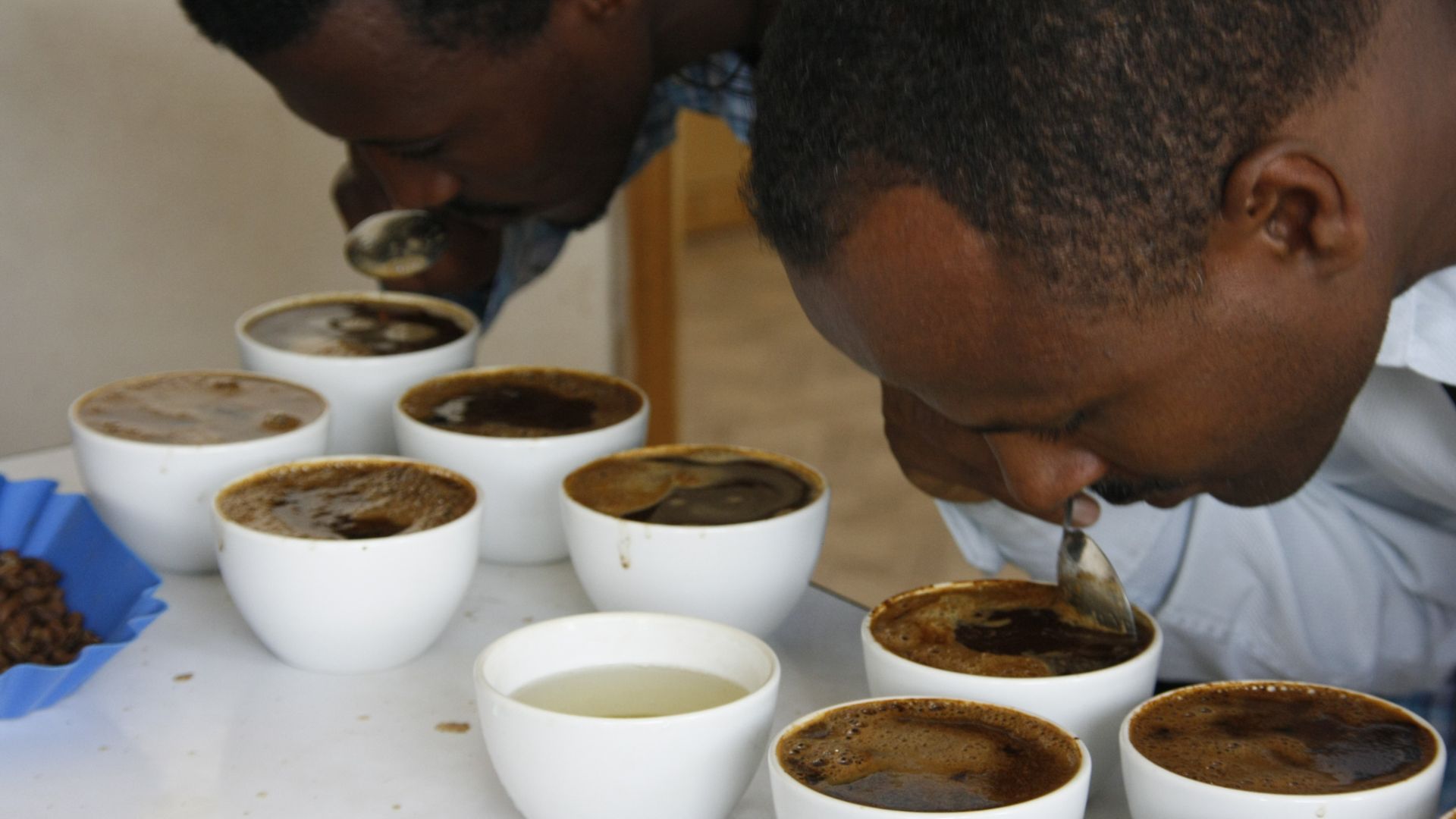
Coffee cupping analysis is a standardized method used by coffee professionals to evaluate the quality, flavor, and characteristics of coffee. From producers and green coffee buyers to roasters and quality control teams, cupping plays a critical role in decision-making across the coffee supply chain.
This guide explains what coffee cupping analysis is, why it matters, and how it is performed in a professional setting.
What Is Coffee Cupping Analysis?
Coffee cupping analysis is a structured tasting process designed to assess coffee objectively. By following a standardized protocol, tasters can compare different coffees fairly and consistently.
The goal of cupping is not personal preference, but quality evaluation. It helps identify flavor profiles, detect defects, and understand how origin, processing, and roasting influence the final cup.
Why Coffee Cupping Is Important
Cupping analysis is essential for several reasons:
- Ensuring green coffee quality before purchase
- Maintaining consistency in roasting profiles
- Communicating flavor characteristics clearly
- Identifying defects early in the supply chain
- Supporting transparency between producers and buyers
For roasters, cupping helps guide roast development. For buyers, it reduces risk when sourcing green coffee.
Standard Coffee Cupping Setup
A professional cupping session requires consistency in tools and preparation. The basic setup includes:
- Identical cupping bowls
- Freshly roasted coffee (light to medium roast)
- Burr grinder with consistent grind size
- Clean cupping spoons
- Hot water at the correct temperature
- A timer and evaluation forms
Uniformity is key. Any variation in grind size, water temperature, or dosage can affect the results.
Key Steps in Coffee Cupping Analysis
1. Fragrance Evaluation (Dry Grounds)
Before adding water, ground coffee is evaluated for its dry aroma. This step offers early clues about freshness, processing method, and potential flavor notes.
Common descriptors include floral, fruity, nutty, chocolatey, or spicy.
2. Aroma Evaluation (Wet Grounds)
After hot water is added, the coffee is left to steep. When the crust forms on the surface, it is broken with a spoon, releasing the wet aroma.
This moment often reveals deeper characteristics such as sweetness, fermentation notes, or off-flavors.
3. Flavor and Taste Assessment
Once the coffee cools slightly, tasters begin sampling. Coffee is slurped forcefully to spread it across the palate.
Key attributes evaluated include:
- Flavor clarity
- Sweetness
- Acidity
- Body
- Balance
- Aftertaste
Each attribute contributes to the overall score.
4. Identifying Defects
Cupping analysis is also used to identify defects such as:
- Phenolic or medicinal notes
- Moldy or musty flavors
- Sour or fermented off-notes
- Woody or earthy defects
Detecting these early helps prevent poor-quality coffee from entering production.
Understanding Cupping Scores
Many professionals use a numerical scoring system to quantify quality. While scoring frameworks may vary, higher scores generally indicate better balance, clarity, and complexity.
Scores are less about perfection and more about consistency and communication between stakeholders.
How Roasters Use Cupping Analysis
For roasters, cupping analysis supports:
- Roast profile development
- Quality control between batches
- Seasonal coffee selection
- Customer education and transparency
Regular cupping ensures that the final product matches the intended flavor profile.
Common Mistakes in Coffee Cupping
Even experienced tasters can make mistakes. Common issues include:
- Inconsistent grind size
- Water temperature errors
- Tasting too hot or too cold
- Allowing personal preference to influence scoring
- Skipping proper calibration sessions
Avoiding these mistakes improves accuracy and reliability.
Coffee Cupping as a Skill
Cupping is a skill developed over time. Regular practice, calibration with other professionals, and exposure to diverse coffees help refine sensory perception.
For businesses, investing in cupping skills leads to better sourcing decisions and higher product quality.
Conclusion
Coffee cupping analysis is more than a tasting exercise. It is a critical quality control tool that connects farmers, buyers, roasters, and consumers through a shared sensory language.
By applying structured cupping methods, coffee professionals can better understand their coffee, reduce risk, and consistently deliver quality from green bean to cup.
Also read other articles: