Coffee Processing Explained: How Methods Shape Coffee Flavor
06 January 2026
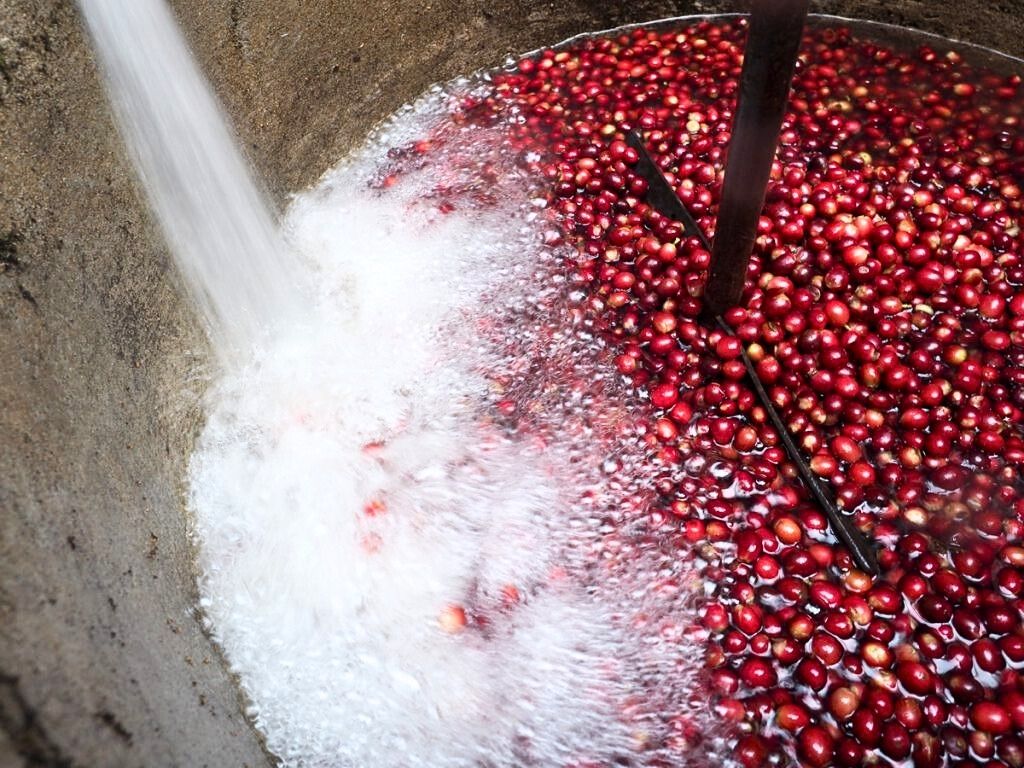
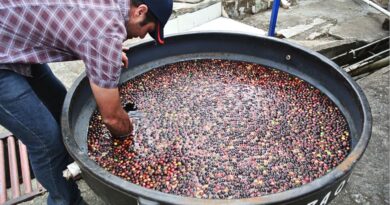
Coffee processing methods play a defining role in how coffee ultimately tastes. When professionals talk about coffee processing explained, they are not referring to a minor post-harvest step, but to a set of decisions that fundamentally determine sweetness, acidity, mouthfeel, and aromatic structure. In practical terms, how coffee is processed often has as much influence on flavor as origin, variety, or roast profile.
To understand how coffee processing affects flavor, it helps to see processing as a controlled transformation rather than a mechanical routine. Once coffee cherries are harvested, producers must decide how much fruit remains on the seed, how fermentation unfolds, and how drying is managed. Each of these choices shifts flavor development in specific and predictable ways. Two coffees grown side by side can taste dramatically different simply because they followed different processing paths.
The most widely used coffee processing methods today – washed, natural, honey, semi-washed, and anaerobic fermentation – represent different philosophies of control, risk, and expression. Each method creates a distinct sensory direction rather than a hierarchy of quality.
1. Washed (Wet Process)
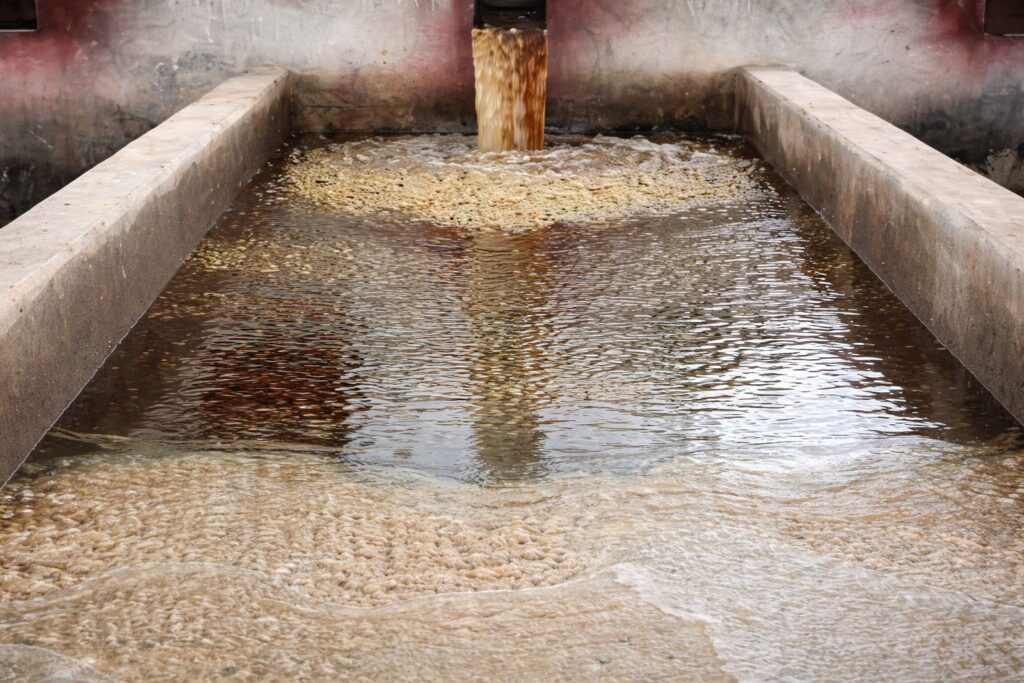
Washed coffee, often referred to as wet process coffee, is built around the idea of clarity. This method aims to remove fruit influence early, allowing the intrinsic characteristics of the green coffee to stand on their own.
Process Overview
In washed processing, coffee cherries are depulped shortly after harvest. The outer skin and most of the flesh are removed mechanically, leaving the beans coated in mucilage. These beans are then fermented – either in water or in dry tanks – until the mucilage breaks down. After fermentation, the coffee is thoroughly washed and then dried.
The fermentation phase in washed processing is relatively short and controlled compared to other methods. This controlled environment minimizes unpredictable microbial activity.
Flavor Characteristics
Washed coffees are commonly associated with:
- Bright, structured acidity
- Clean flavor separation
- Transparent expression of origin
Because the fruit is removed early, washed coffees rarely show heavy fruit sweetness or fermentation notes. Instead, they emphasize citrus, floral, stone fruit, or herbal qualities depending on origin.
When professionals compare washed vs natural coffee, washed coffees are typically described as cleaner and more precise, while naturals lean toward sweetness and body.
Why Producers Choose Washed Processing
Washed processing provides consistency and predictability, which is valuable for specialty markets. The trade-off is cost: it requires significant water usage and infrastructure. Environmentally, it demands careful wastewater management, especially in producing regions with limited resources.
2. Natural (Dry Process)
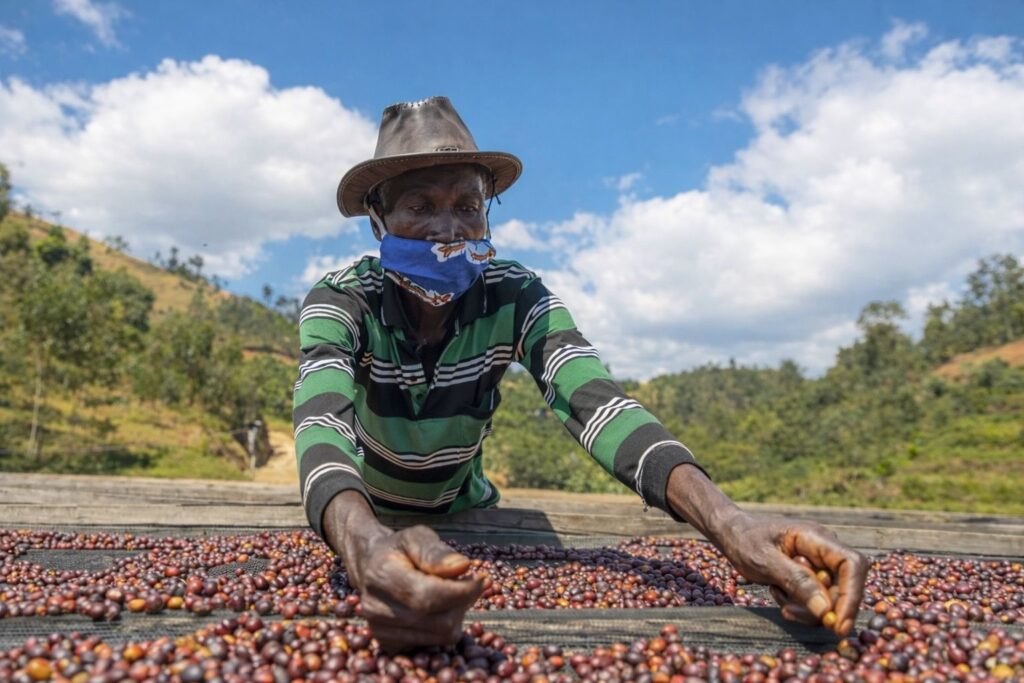
Natural processing- also known as dry process coffee – takes the opposite approach. Instead of removing fruit early, the entire coffee cherry is dried intact.
Process Overview
After harvesting, whole cherries are spread on patios or raised beds and dried over several weeks. During this time, fermentation occurs inside the cherry as sugars and organic compounds migrate from the fruit into the seed. Once the cherries reach stable moisture levels, the dried fruit is mechanically removed.
This method offers less control over fermentation compared to washed processing, making climate and careful monitoring essential.
Flavor Characteristics
Natural coffees are known for:
- Pronounced sweetness
- Fuller body
- Softer, rounder acidity
Flavor notes often include ripe berries, tropical fruit, chocolate, or wine-like tones. When done well, natural processing produces expressive and memorable coffees. When done poorly, it can lead to over-fermentation or defect-driven flavors.
Context Within Coffee Processing Methods
Natural processing is one of the oldest coffee processing methods and remains especially common in regions with limited water access. While it carries higher risk, it also offers some of the most distinctive flavor profiles in specialty coffee.
3. Honey / Pulped Natural
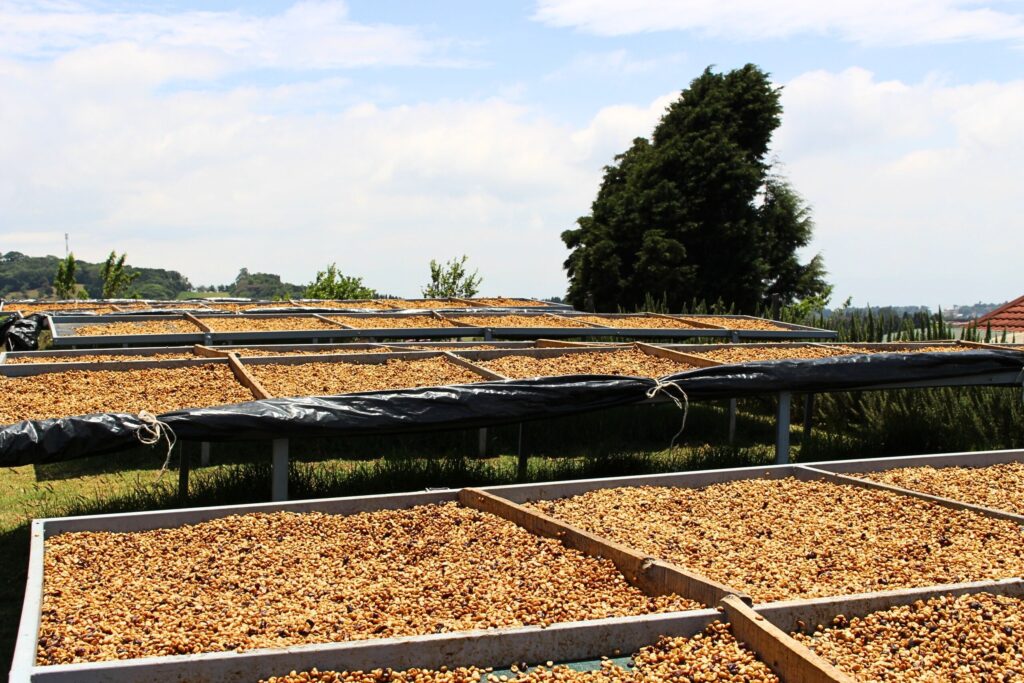
Honey process coffee, sometimes called pulped natural, occupies the space between washed and natural processing. It combines partial fruit removal with controlled drying.
Process Overview
In honey processing, the coffee cherry is depulped, but some or all of the mucilage remains attached during drying. Unlike washed processing, the mucilage is not removed through washing. Instead, it dries onto the parchment layer.
Producers often categorize honey coffees by color – yellow, red, or black – based on how much mucilage remains and how slowly the coffee dries.
Flavor Characteristics
Honey-processed coffees typically show:
- Elevated sweetness without heavy fermentation
- Balanced acidity
- Smooth, rounded mouthfeel
They are often described as more expressive than washed coffees but cleaner than naturals. This balance makes honey processing appealing for roasters seeking versatility.
Practical Considerations
Honey processing uses less water than wet process coffee but demands careful drying management. Excess mucilage combined with poor airflow can easily lead to inconsistency or defects.
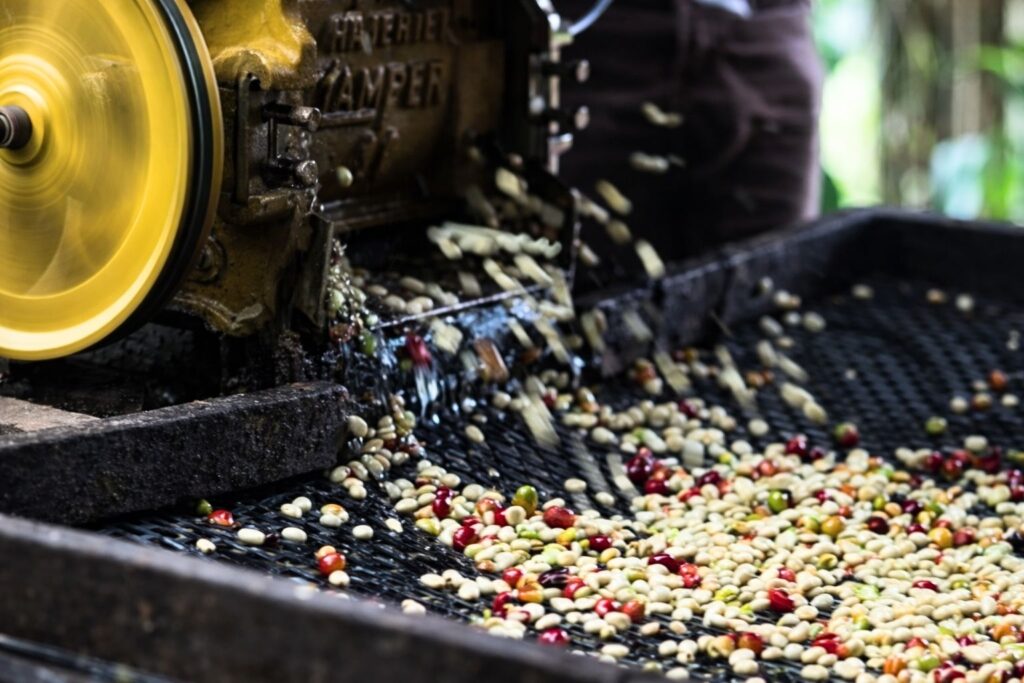
4. Semi-Washed / Wet grinding
Semi washed coffee, commonly referred to as Wet grinding coffee, is strongly associated with Indonesia. Unlike other processing methods, it emerged primarily from environmental and logistical necessity.
Process Overview
In Wet grinding, coffee cherries are depulped and briefly fermented. The coffee is then partially dried before being hulled at unusually high moisture levels. After hulling, the green coffee is dried again to reach stability.
This early hulling step differentiates giling basah from other semi-washed systems used elsewhere.
Flavor Characteristics
Wet grinding coffees often display:
- Low perceived acidity
- Heavy, dense body
- Earthy, herbal, or savory notes
These characteristics make them easily recognizable. While some buyers prize their uniqueness, others find them less transparent than washed coffees.
Why It Persists
In humid environments with unpredictable drying conditions, giling basah allows producers to move coffee through the supply chain more quickly. The method reflects adaptation rather than flavor experimentation.
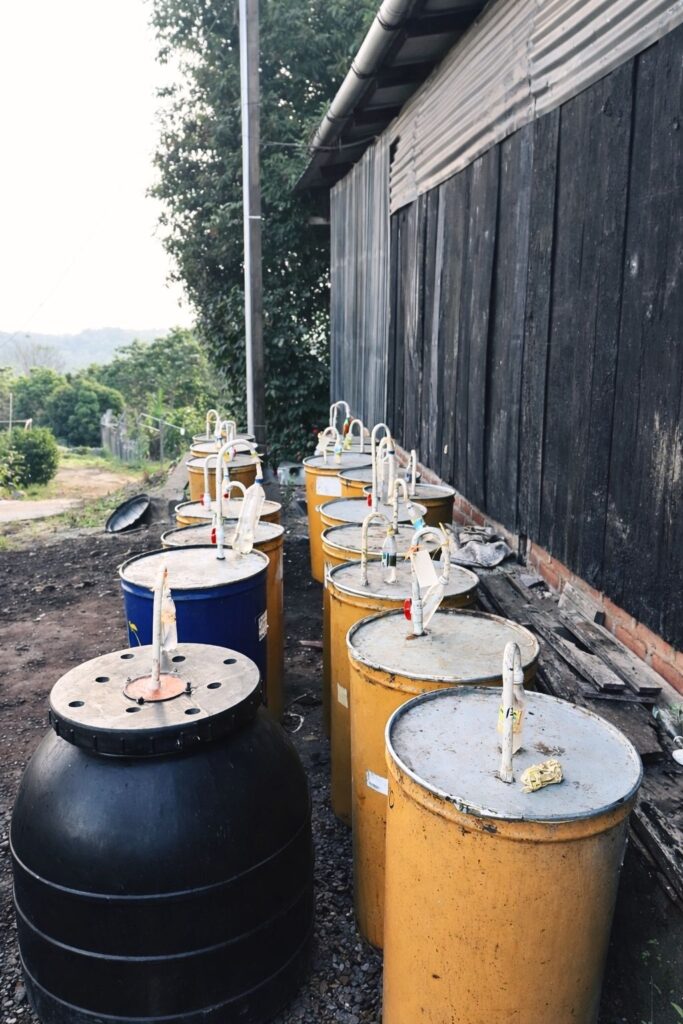
5. Anaerobic Fermentation
Among modern innovations, anaerobic fermentation coffee has drawn significant attention. Rather than redefining fruit removal, it rethinks fermentation itself.
Process Overview
Anaerobic fermentation involves sealing coffee cherries or depulped beans in oxygen-free containers. By limiting oxygen exposure, producers alter microbial activity and fermentation pathways. Temperature, pressure, and fermentation time are closely monitored.
Anaerobic fermentation can be applied to washed, honey, or natural processes, making it a fermentation approach rather than a standalone category.
Flavor Characteristics
Coffees processed this way often show:
- Intense aromatics
- Layered sweetness
- Distinct fermentation-driven notes
When executed carefully, anaerobic fermentation can create complex and refined flavor profiles. When poorly managed, it can overwhelm origin character.
Relationship to Coffee Fermentation Methods
Anaerobic processing represents a broader shift in coffee fermentation methods toward precision and experimentation. It appeals to producers seeking differentiation but requires experience and investment.
How Coffee Processing Affects Flavor in the Cup
Across all coffee processing methods, the common thread is fermentation management. Whether fermentation is minimized, extended, exposed to oxygen, or sealed away, it directly shapes how sugars and acids develop inside the bean.
- Washed processing emphasizes clarity and acidity
- Natural processing amplifies sweetness and body
- Honey processing balances structure and richness
- Semi-washed methods reflect environmental adaptation
- Anaerobic fermentation introduces deliberate flavor design
Understanding these differences allows roasters, buyers, and cafés to make more informed decisions – and helps drinkers connect flavor to process rather than mystery.
Coffee processing is not about choosing the “best” method. It is about choosing the right method for a desired sensory outcome. Once that connection becomes clear, coffee tasting becomes more intentional, more predictable, and ultimately more rewarding.
Read other articles :
- 7 Ways Coffee Makes Everyday Life More Enjoyable
- Designing a Roastery That Works as a Café: Key Trade-Offs
- Cup of Excellence 2026: Auction Schedule, Countries, and Key Changes

Wong young low is a coffee industry journalist from China who has been writing since 2007, focusing on specialty coffee, roasting, and market trends. He writes based on field experience and supply chain observations – helping roasters and coffee businesses make more accurate and realistic decisions.