Coffee Roasting Equipment for Small Businesses
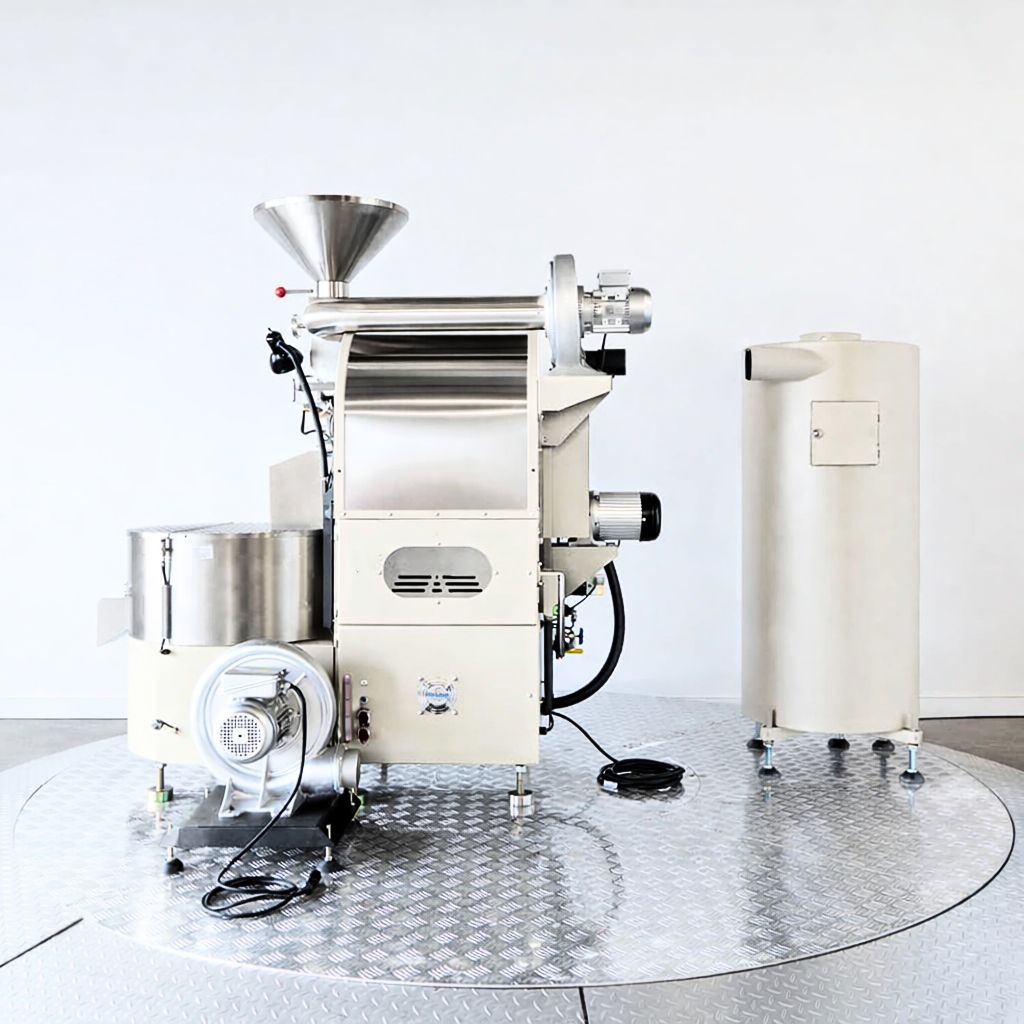
For small coffee businesses, roasting equipment is rarely just a technical purchase. It’s a decision that quietly defines how you work every day how much control you have, how consistent your coffee is, how tired your team feels at the end of the week, and how hard it will be to grow later.
Many small roasteries don’t fail because of bad coffee. They struggle because the equipment they chose doesn’t match the reality of their operation. Too small, and production becomes exhausting. Too big, and costs spiral before sales catch up. Too complex, and quality becomes dependent on one person who can’t ever take a day off.
Choosing roasting equipment for a small business is about fit, not ambition.
What “Small Business” Actually Means in Roasting
In roasting terms, a small business usually sits somewhere between 5 kg and 15 kg batch capacity. That range covers:
- café-roasteries roasting for their own bar
- local wholesale suppliers
- growing direct-to-consumer brands
- early-stage production roasteries
At this scale, you’re likely roasting several days a week, sometimes daily. Consistency matters, but so does flexibility. You’re probably doing multiple origins, seasonal changes, and small production runs. Your equipment needs to handle variety without becoming fragile.
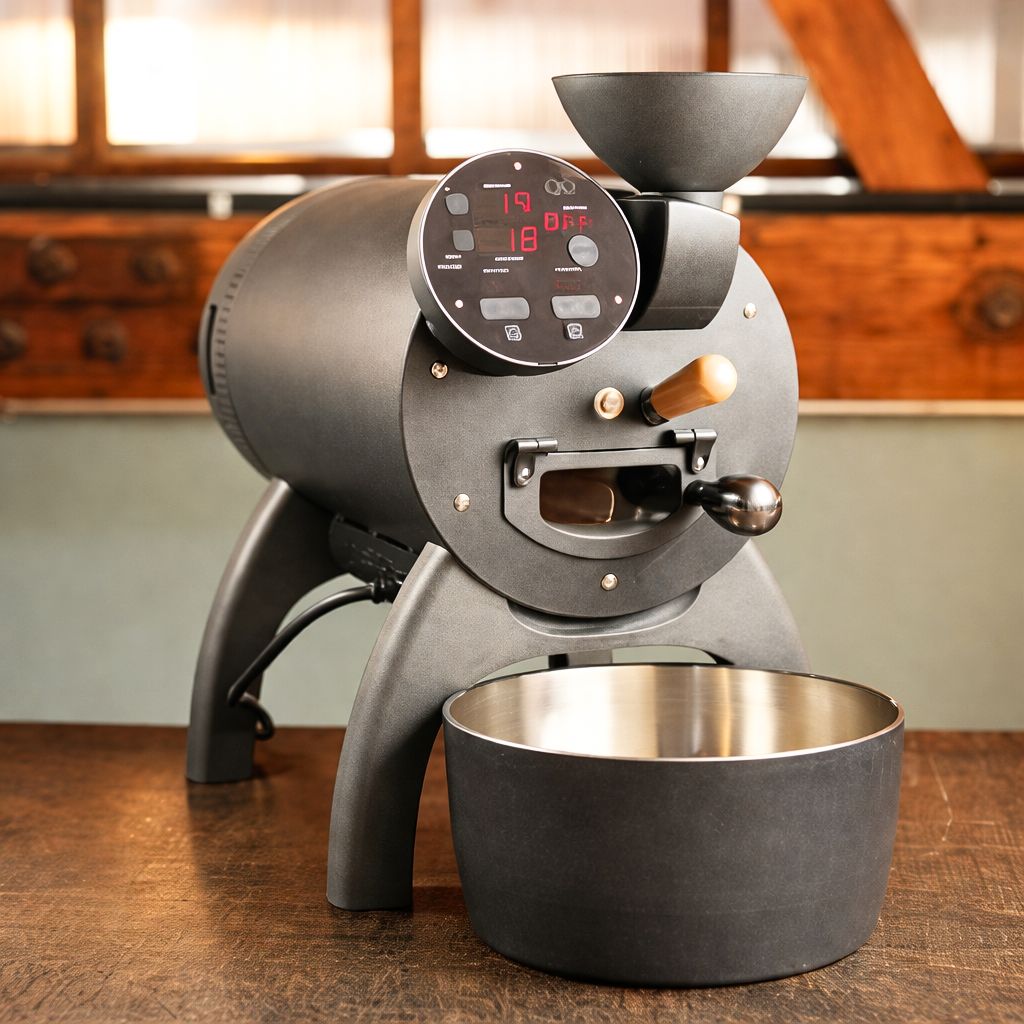
Drum Roasters: The Backbone of Small Roasteries
For most small businesses, traditional drum roasters remain the most practical option. They’re predictable, forgiving, and easier to maintain long-term.
Common examples used by small roasteries
Probat P-series (P5, P12)
A common sight in small commercial roasteries. These machines are known for thermal stability and long service life. They don’t react instantly, but that’s part of their strength. Once dialed in, they produce repeatable results with less drama.
Giesen W6 or W15
Popular with specialty-focused small roasteries. Good airflow control, modern interfaces, and strong build quality. They suit businesses that want clarity and precision without jumping straight into high automation.
Diedrich IR-5 or IR-12
These are often chosen by café-roasteries. Infrared-assisted heat transfer gives good control at smaller batch sizes, and they work well in mixed-use spaces where roasting and hospitality coexist.
Drum roasters reward patience and understanding. They don’t hide mistakes, but they don’t punish small errors either. That balance is valuable when more than one person needs to roast.
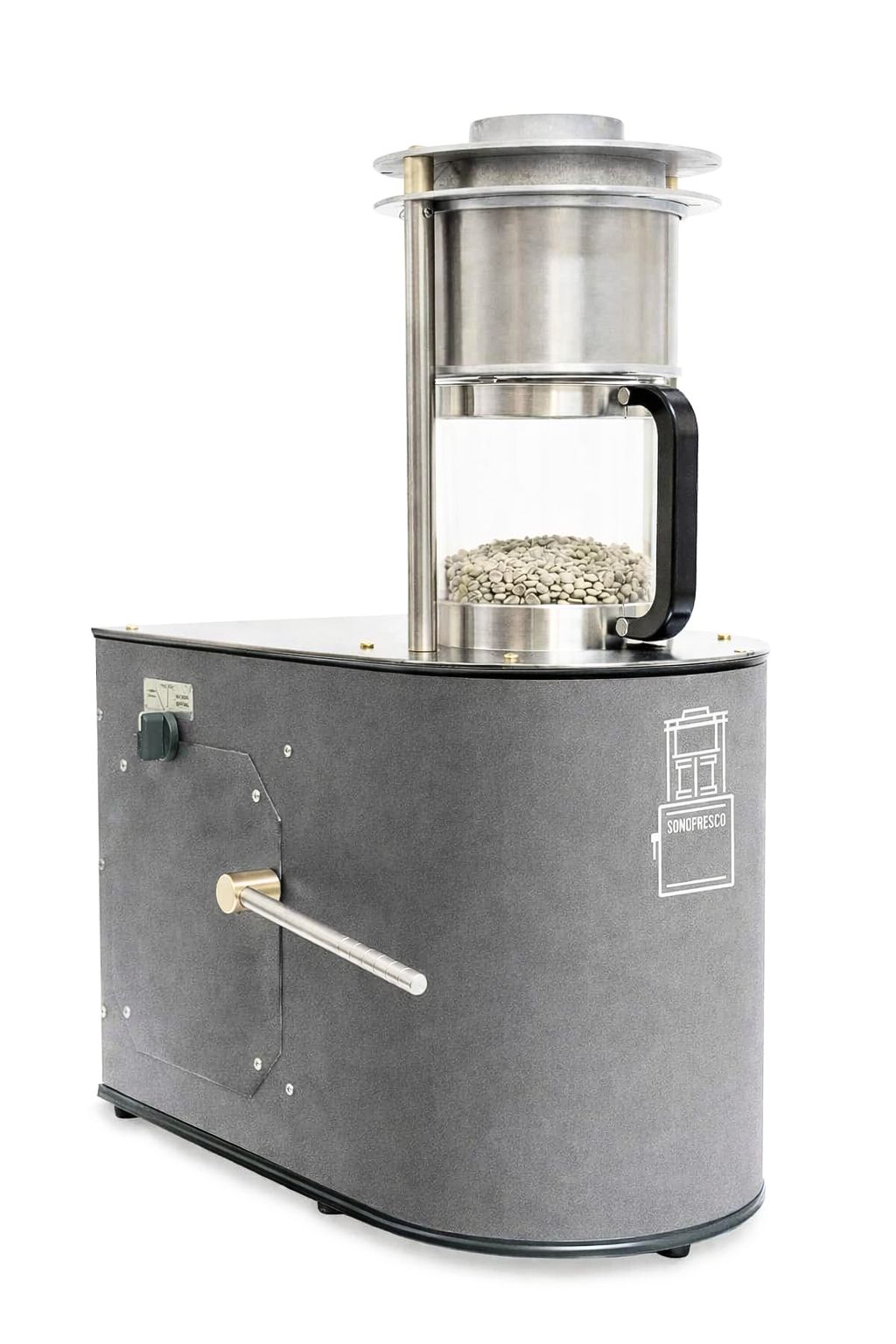
Air Roasters: Speed with Trade-Offs
Air roasters are sometimes attractive to small businesses because they’re compact and heat up quickly. They can work well but they demand more discipline.
Examples include
- Ikawa Pro (for sample and profiling, not production)
- Loring Nano (hybrid air/drum, more production-focused)
Air systems excel at fast heat transfer and clean profiles, but they can be less forgiving. Small changes in airflow or batch size can have large effects. For a business with limited staff training time, this can increase risk.
They’re best suited to operations that value speed and are comfortable with tighter control windows.
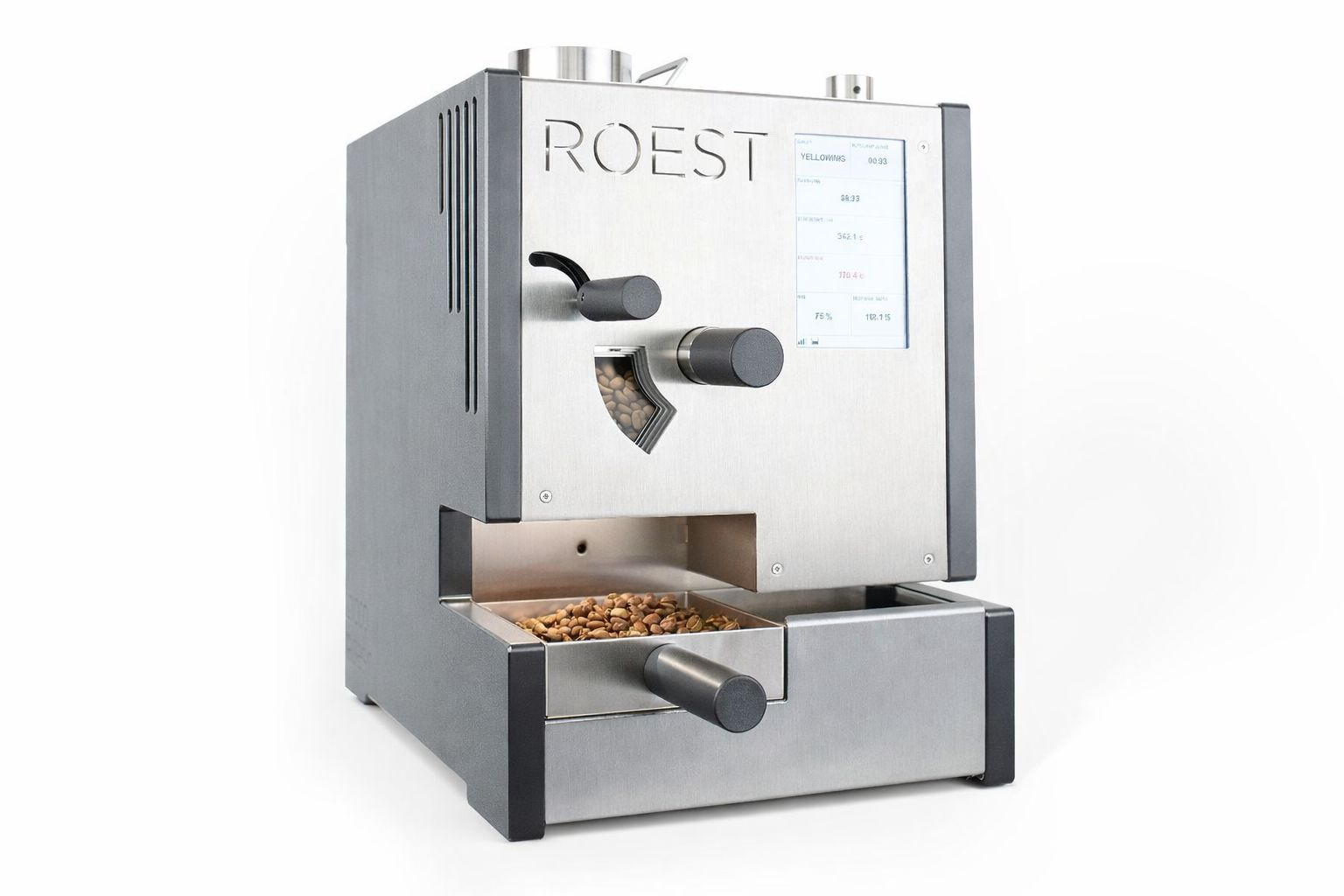
Sample Roasters: Not Optional, Even for Small Operations
Many small businesses skip a dedicated sample roaster to save money. This usually becomes a mistake later.
A proper sample roaster allows you to:
- evaluate green coffee before committing
- adjust profiles without disrupting production
- train staff in sensory and roast understanding
Common examples
- Probat Sample Roaster
- IKAWA Pro
- Mill City Sample Roaster
Even if your main machine is small, separating sample work from production protects consistency and decision-making.
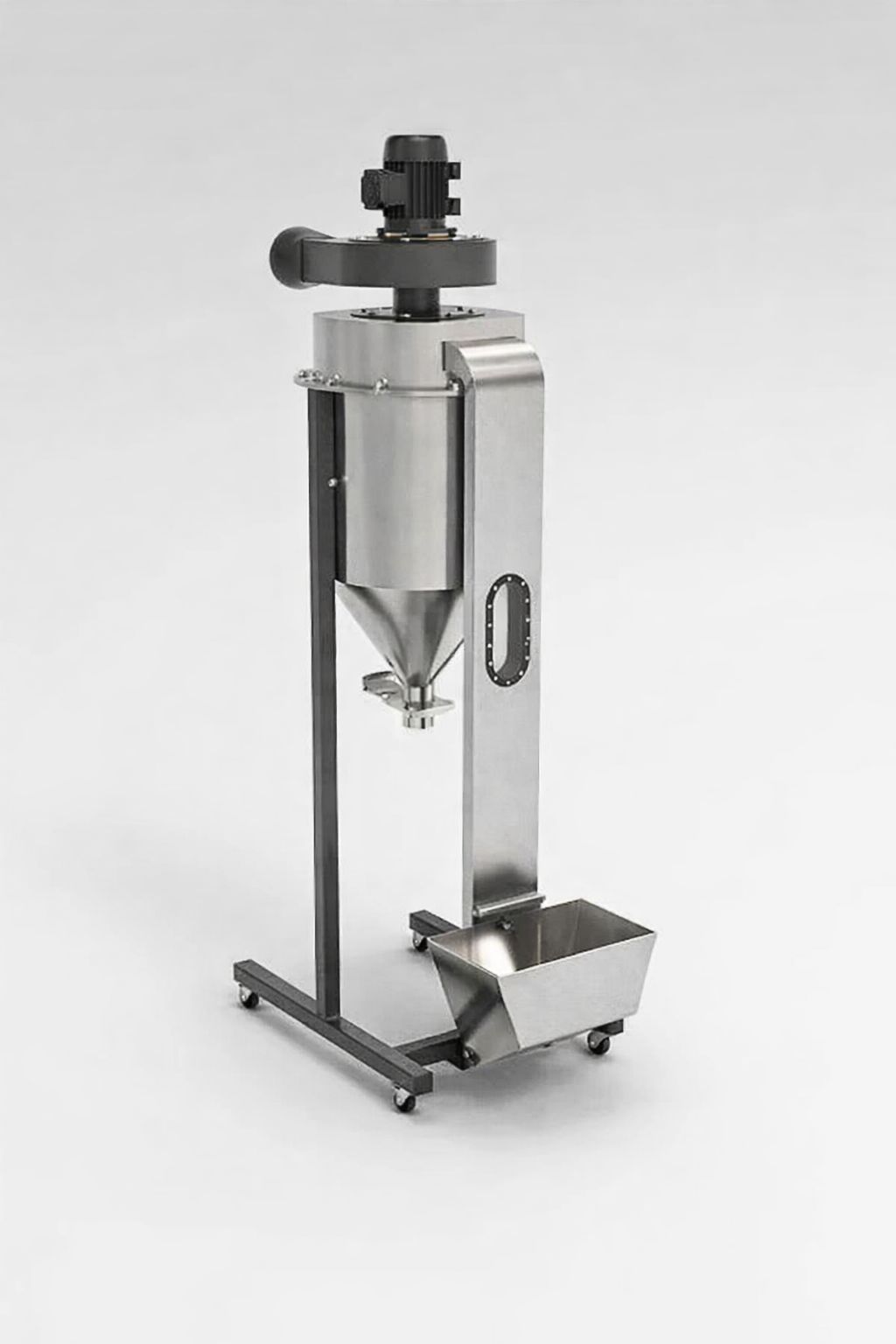
Supporting Equipment That Actually Matters
Roasting machines get all the attention, but small businesses often struggle because they underinvest in the basics.
Destoners
Not optional if you care about safety or wholesale clients. Stones in bags destroy trust quickly.
Afterburners or proper filtration
Especially important in urban or café-adjacent spaces. Poor smoke management leads to complaints, inspections, and forced downtime.
Green storage solutions
Pallets on the floor work at first, but humidity control, airflow, and access become real issues as volume increases.
Quality control tools
A solid grinder, a consistent brewer, scales you trust, and a quiet cupping space matter more than fancy software.
New vs Used Equipment: A Realistic View
Many small roasteries start with used equipment. This can work well if you’re careful.
Used machines often:
- cost 30–50% less upfront
- are mechanically simpler
- have proven track records
But they also require:
- access to spare parts
- a technician who understands the model
- realistic expectations around downtime
Buying used without local service support is risky. Cheap machines become expensive when they sit idle.
The Most Common Mistakes Small Businesses Make
- Buying for future growth instead of current reality
- Underestimating daily roasting workload
- Choosing complexity over reliability
- Ignoring ventilation and infrastructure costs
- Assuming one person will always be available to roast
Most of these mistakes don’t show up immediately. They appear six months later, when volume increases and fatigue sets in.
Matching Equipment to How You Actually Work
The right roasting equipment fits your:
- daily batch count
- staff skill level
- space limitations
- tolerance for variation
- maintenance capacity
A 10 kg roaster used at 70% capacity often outperforms a 15 kg roaster pushed to its limits. Consistency comes from margin, not maximum output.
A Simple Takeaway
For a small coffee business, roasting equipment should make life easier, not more heroic. It should support consistency, protect your team from burnout, and leave room to learn.
The best machine isn’t the most impressive one. It’s the one that still feels manageable on a bad day, when orders are late, staff are short, and you still need the coffee to be good.
That’s usually the difference between a small roastery that survives and one that quietly grows into something sustainable.