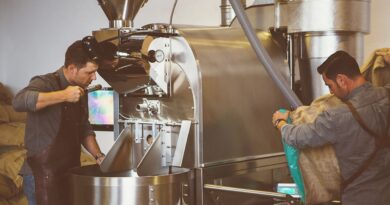
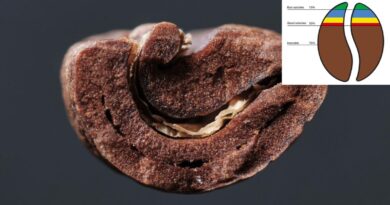
Coffee Roasting Explained: Process, Temperature & Flavor
Coffee roasting is where raw potential turns into flavor. Green coffee beans may carry origin, variety, and processing characteristics, but it is roasting that decides how those qualities appear in the cup. Acidity can become lively or muted, sweetness can shine or disappear, and bitterness can either add structure or overwhelm everything else.
For many coffee drinkers, roasting remains a black box something that happens behind closed doors in a roastery. Yet understanding the roasting process, temperature stages, and their impact on flavor makes coffee far more approachable. It explains why two coffees from the same farm can taste completely different, and why “strong” does not always mean “better.”
From small specialty roasteries to large commercial operations, roasting choices define coffee identity. The decisions made during a few critical minutes under heat shape aroma, body, balance, and aftertaste long before brewing begins. Knowing how roasting works helps consumers choose better coffee and helps professionals refine quality with intention.
Understanding the Coffee Roasting Process
Coffee roasting is a controlled heating process that transforms green coffee beans into roasted coffee through a series of physical and chemical changes.
At the start, green beans contain moisture and are dense and grassy in aroma. As heat is applied, water evaporates, sugars begin to react, and complex flavor compounds start to form. Roasters manage this process by controlling temperature, airflow, and time.
Key stages in the coffee roasting process include:
- Drying phase: Moisture evaporates, and beans turn yellow
- Maillard reaction: Sugars and amino acids react, creating aroma and sweetness
- First crack: Beans expand and release pressure, signaling light roast territory
- Development phase: Flavor balance is refined after first crack
- Second crack (optional): Oils surface and roast flavors dominate
Each stage contributes differently to the final cup. Skipping or rushing any part can result in flat, harsh, or underdeveloped coffee.
For a general overview of roasting science, Wikipedia’s entry on coffee roasting provides a solid foundation.
Coffee Roasting Temperature and Its Role
Temperature is the most influential variable in roasting. Small changes can lead to noticeable differences in flavor.
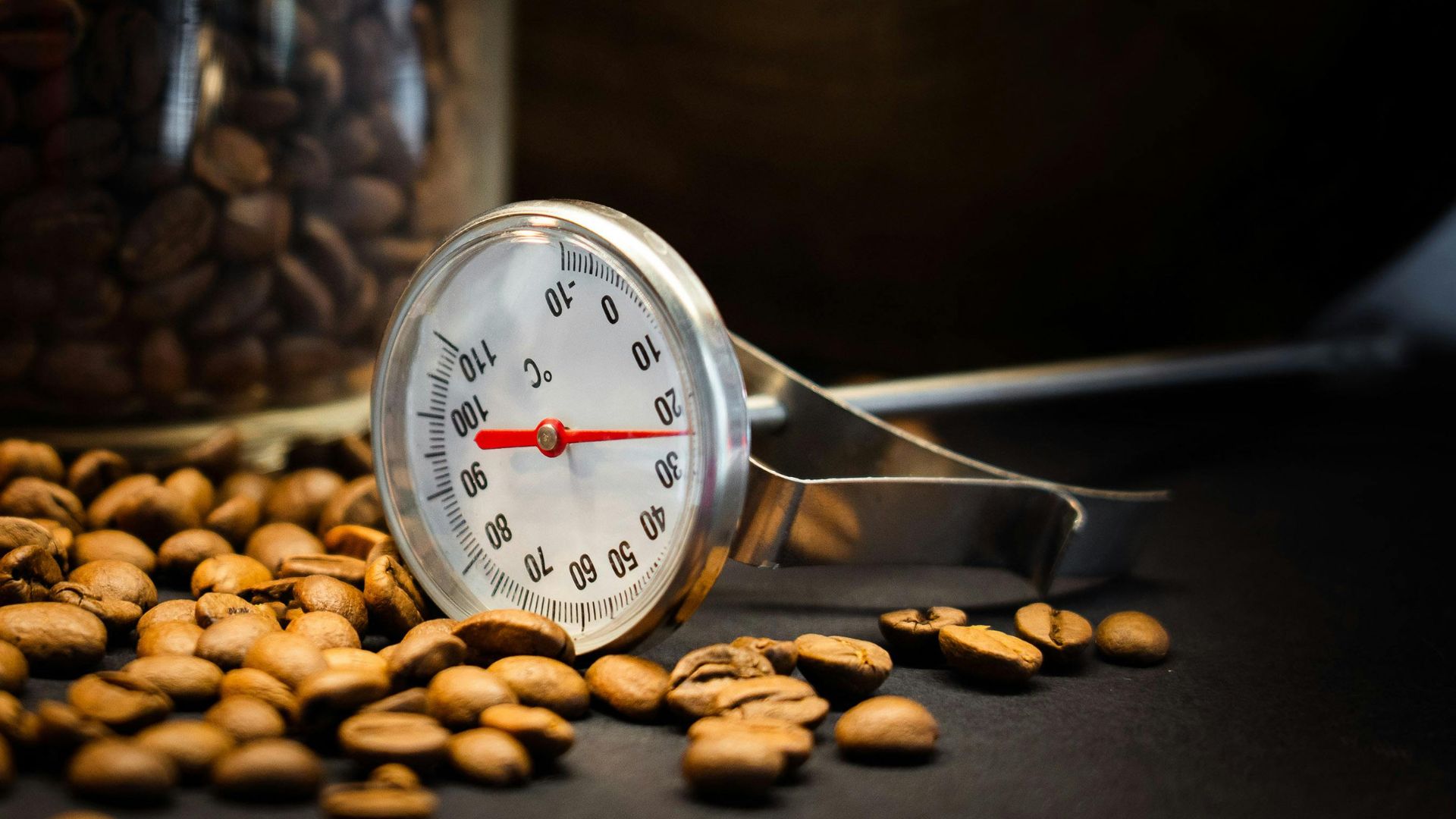
Most coffee roasting happens between 180°C and 240°C (356°F–464°F). Within this range, different compounds develop or break down.
Key Temperature Ranges in Coffee Roasting
- Below 200°C: Drying and early browning
- 200–205°C: First crack begins
- 205–215°C: Light roast development
- 215–225°C: Medium roast range
- Above 225°C: Dark roast territory
Higher temperatures accelerate chemical reactions but reduce margin for error. Lower, controlled heat allows more even development but requires precision and experience.
Professional roasters carefully track bean temperature rather than just air temperature, using data logging to maintain consistency from batch to batch.
How Roasting Impacts Coffee Flavor
Roasting directly shapes how coffee tastes by controlling acidity, sweetness, bitterness, and aroma.
Acidity Development
Acids are most prominent in lighter roasts. As roasting progresses, acids break down, softening brightness. This is why light roasts taste crisp and vibrant, while dark roasts feel smoother but flatter.
Sweetness and Body
Sweetness increases as sugars caramelize during medium roasting. This stage often delivers the best balance between acidity and body, producing flavors like caramel, chocolate, and nuts.
Bitterness and Roast Character
At darker roast levels, bitterness increases as sugars burn and aromatic compounds degrade. Smoky, toasted, or charred notes begin to dominate, often masking origin characteristics.
According to research summarized by World Coffee Research, roast development time plays a major role in balancing sweetness and bitterness sometimes more than roast color alone.
Light, Medium, and Dark Roast Explained
Roast level is a shorthand for how far the roasting process goes, but it carries clear flavor implications.
Light Roast Coffee
- High acidity
- Floral, fruity, or citrus notes
- Clear origin expression
- Light body
Light roasts are popular in specialty coffee because they highlight terroir. However, they require precise brewing and proper roast development to avoid sourness.
Medium Roast Coffee
- Balanced acidity
- Sweet, caramelized flavors
- Rounded body
- Versatile across brewing methods
Medium roasts are widely preferred for their balance and accessibility. They retain origin character while offering comforting sweetness.
Dark Roast Coffee
- Low acidity
- Bitter-sweet, smoky notes
- Heavy body
- Dominant roast flavor
Dark roasts prioritize intensity and consistency over nuance. They perform well in milk-based drinks but often sacrifice complexity.
Roasting Method and Flavor Outcomes
Different roasting methods influence how heat is applied and how flavors develop.
Common professional roasting methods include:
- Drum roasting: Even heat transfer, high control
- Hot air (fluid bed) roasting: Clean, bright flavor profiles
- Infrared-assisted roasting: Emerging technology for efficiency
- Industrial continuous roasting: Consistency at scale
Each method has strengths depending on production goals and flavor targets. Specialty roasters often favor drum or hot air roasting for precision, while large brands rely on continuous systems for volume and uniformity.
Why Roasting roasting Skill Matters More Than Roast Level
Two coffees with the same roast level can taste completely different depending on roasting skill.
Experienced roasters adjust:
- Heat application
- Airflow
- Development time
- Batch size
These decisions determine whether flavors integrate harmoniously or clash. Poor roasting can ruin high-quality green coffee, while skilled roasting can elevate modest beans.
This is why professional roasteries invest heavily in training, sensory analysis, and profile development.
👉 [Also read: Related articles on this website]
Choosing Coffee Based on Roast Knowledge
Understanding roasting empowers better choices.
For consumers:
- Choose light roasts for brightness and origin clarity
- Choose medium roasts for balance and versatility
- Choose dark roasts for boldness and milk drinks
For professionals:
- Match roast level to bean density and processing
- Adjust development time for sweetness control
- Select roasting methods aligned with flavor goals
Roast knowledge bridges the gap between producer, roaster, and drinker.
Conclusion
Coffee roasting is not just a step in production it is the defining moment where flavor is shaped. Temperature, timing, and technique determine whether coffee tastes vibrant, balanced, or intense.
Understanding the roasting process reveals why flavor differences exist and why no single roast level is universally “best.” Each roast expresses coffee differently, depending on intent and execution.
Great coffee is rarely accidental. It is the result of informed roasting decisions made with precision, experience, and respect for the bean’s potential.