Coffee Producers Drive Innovation Through Controlled Fermentation
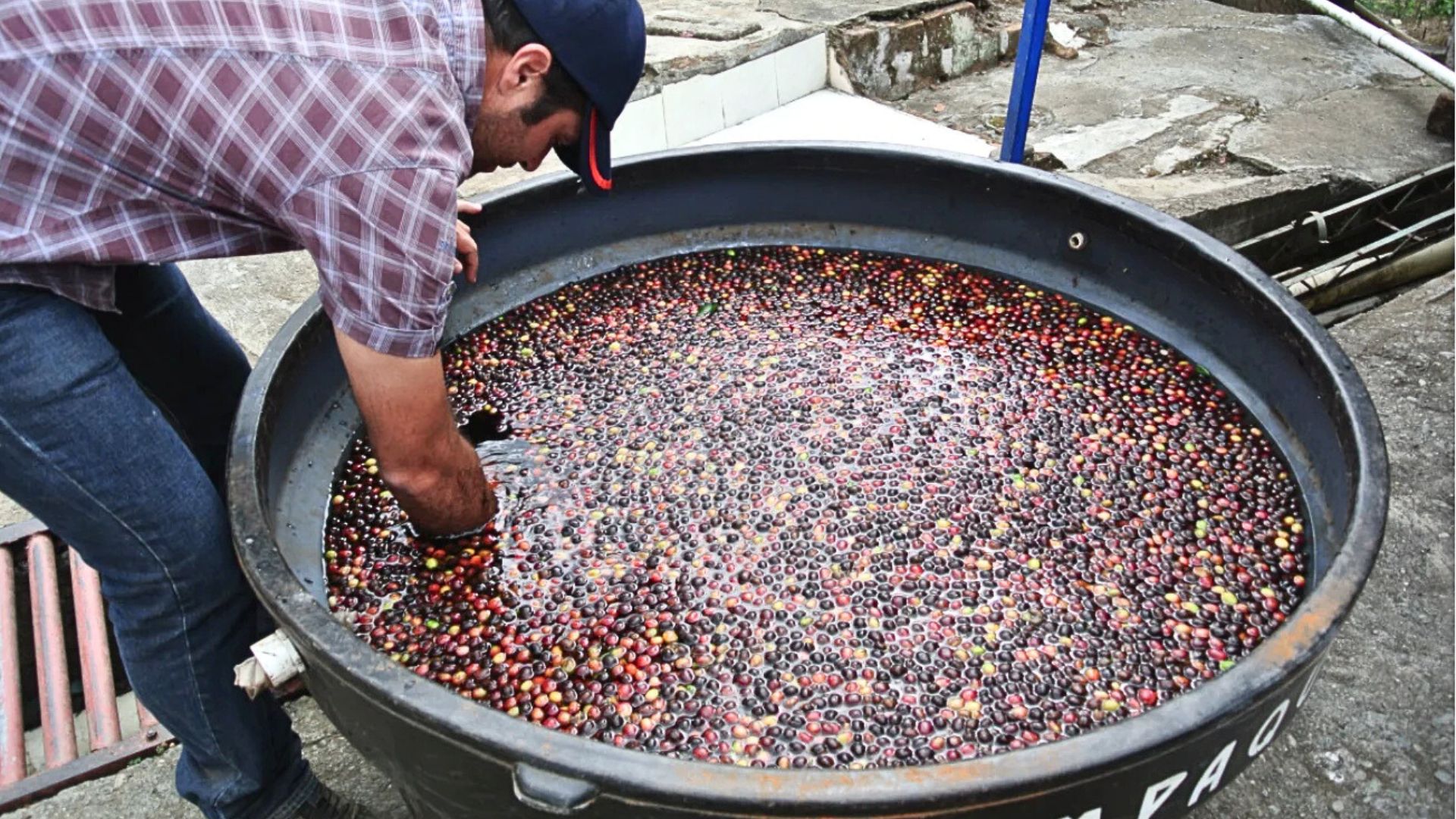
Specialty coffee processing is rapidly evolving beyond traditional washed and natural methods as producers experiment with controlled fermentation to create unique flavor profiles and market differentiation.
Key Innovations
Research shows post-harvest processing accounts for up to 60% of final coffee quality. Since carbonic maceration gained attention in 2015, producers have developed scientifically guided fermentations controlling pH, temperature, and microbial activity. Techniques now include lactic, acetic, and bio-innovation processes, plus co-fermentation using ingredients like mossto (fermentation starter), hops, fruits, and native yeasts.
Market Opportunities
Experimental processing helps producers overcome challenges from rising input costs and climate volatility. Many now export directly to high-end roasters and competitors, using premium fermented lots as conversation starters for broader partnerships. Drawing inspiration from wine and beer industries, farmers work with experts to create consistent, replicable results while maintaining terroir expression.
Challenges Ahead
High-level fermentation requires significant investment in infrastructure (hermetic tanks, cooling systems), scientific tools (pH meters, microbial tracking), and expertise. Single mistakes can destroy entire lots. The debate continues over native versus artificial ingredients, with many advocating for indigenous microorganisms to preserve coffee’s identity.
Future Direction
The market is shifting from hyper-fermented “loud” flavors toward precision and balance. Success depends on Transparency, terroir-driven processes, and collaboration through shared infrastructure and knowledge including documenting failures for industry-wide learning.
Read also :
- 7 ways to choose raw coffee beans don’t make a mistake again!
- Coffee Roasting Explained: Process, Temperature & Flavor
- Roastery Website SEO: 5 Tricks to Boost Orders Fast
Join the newsletter
Follow us on :