How to Detect Hidden Coffee Bean Defects Before Roasting
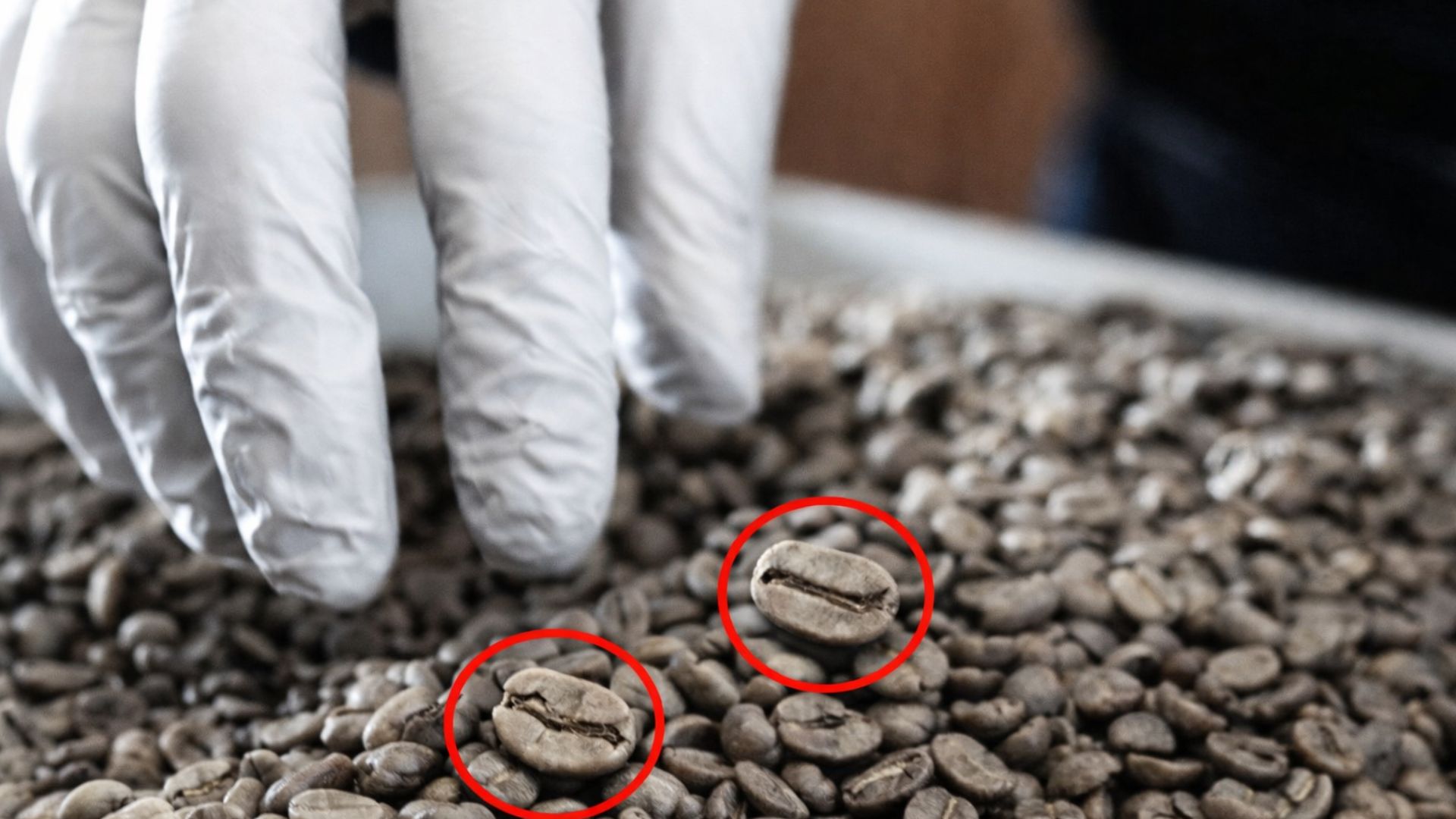
Most roasting problems don’t start in the roaster.
They start long before heat is applied inside the green coffee itself.
Hidden defects are among the most expensive blind spots for roasteries. They don’t always show up in visual grading, they pass basic QC checks, and they often reveal themselves only after a batch is already ruined. By then, the cost is no longer theoretical: wasted energy, lost time, inconsistent cups, and frustrated customers.
This article explains how to detect hidden coffee bean defects before they enter the roaster, using methods that experienced roasters actually rely on practical, repeatable, and grounded in real production workflows.
Why Hidden Defects Matter More Than Visible Ones
Visible defects broken beans, obvious insect damage, foreign matter are relatively easy to catch. Hidden defects are different. They often look acceptable on the surface but behave unpredictably under heat.
Common outcomes include:
- Sudden bitterness without visible scorching
- Flat or hollow cups despite correct profiles
- Uneven development across the batch
- Inconsistent results from the same lot
For roasteries focused on consistency, these defects quietly undermine trust in profiles, equipment, and even operators.
What “Hidden Defects” Actually Are
Hidden defects are structural or chemical issues inside the bean that are not immediately obvious through basic visual inspection.
They typically originate from:
- Incomplete or uneven fermentation
- Improper drying or re-wetting during storage
- Internal insect damage
- Age-related chemical degradation
- Density inconsistencies within the same lot
Because they affect how heat moves through the bean, they only fully reveal themselves during roasting or worse, during brewing.
Start With Density, Not Appearance
One of the earliest indicators of hidden defects is density variation.
Beans with internal voids, insect damage, or poor cellular structure often show up as outliers in density, even if they look normal externally.
Practical checks roasteries use:
- Screen size combined with hand-feel comparison
- Density measurement (where available)
- Simple float tests during sample prep
When beans of the same screen size feel noticeably lighter or heavier, it’s rarely accidental. Density inconsistency almost always translates into uneven heat absorption.
Use the Cut Test as a Diagnostic Tool
The cut test is often treated as an academic exercise. In reality, it’s one of the most effective ways to identify hidden defects early.
By slicing beans lengthwise, roasters can detect:
- Internal insect damage
- Uneven endosperm development
- Discoloration linked to fermentation issues
- Early signs of mold or oxidation
This is especially valuable for new lots or unfamiliar origins. A quick cut test on a small sample can prevent costly surprises later.
Smell the Green Coffee Seriously
Experienced roasters rely heavily on green coffee aroma, even though it’s rarely formalized.
Before roasting, smell the greens:
- Fresh green coffee should smell clean, slightly grassy, or neutral
- Sharp, sour, musty, or fermented notes signal risk
- Cardboard or woody aromas often indicate age
These cues don’t guarantee defects, but they raise flags worth investigating further before committing production time.
Pay Attention to Moisture Behavior, Not Just Moisture Content
Moisture percentage alone doesn’t tell the full story. Two coffees can share the same moisture reading and behave completely differently.
Hidden defects often reveal themselves through uneven moisture distribution:
- Some beans dry too fast in the roaster
- Others lag behind and stall development
During sample roasting, watch for:
- Irregular yellowing
- Mixed expansion rates
- Early surface scorching alongside underdeveloped interiors
These patterns often trace back to internal structural issues, not roast execution.
Sample Roast for Behavior, Not Flavor
When evaluating samples, many roasters focus primarily on flavor. That’s a mistake at this stage.
To detect hidden defects, sample roasting should prioritize behavioral cues:
- Does the turning point behave normally?
- Is the rate of rise stable or erratic?
- Do cracks occur evenly or in clusters?
Hidden defects often show up as instability rather than obvious off-flavors. Flavor problems usually come later.
Compare Multiple Sample Roasts, Not Just One
A single sample roast can hide problems. Multiple small variations expose them.
Try:
- Two slightly different charge temperatures
- One faster, one slower roast
- Minor airflow changes
Healthy coffee responds predictably. Defective coffee reacts inconsistently, even to small adjustments. That inconsistency is itself a diagnostic signal.
Track Defects by Lot, Not by Origin Reputation
A common mental shortcut is trusting certain origins or suppliers blindly. That’s risky.
Hidden defects are lot-specific, not origin-specific.
Best practice:
- Document defect patterns by lot and harvest
- Record unusual roast behavior alongside cupping notes
- Share feedback with importers early
This builds institutional memory and reduces repeated exposure to problematic lots.
When to Reject or Downgrade a Coffee
Not every hidden defect requires rejection. Some coffees can still work with adjusted profiles or limited use.
However, consider rejecting or downgrading a lot when:
- Defects cause uncontrollable roast instability
- Cup quality fluctuates batch to batch
- Defects undermine core menu consistency
Using compromised coffee to “make it work” often costs more long term than replacing it.
The Real Cost of Missing Hidden Defects
The biggest danger of hidden defects isn’t one bad batch. It’s false troubleshooting.
Roasters may:
- Blame profiles that are sound
- Question equipment that is functioning correctly
- Over-adjust processes unnecessarily
Catching defects early protects not just quality, but decision-making clarity.
Conclusion
Detecting hidden coffee bean defects before roasting is less about advanced equipment and more about disciplined observation.
Density checks, cut tests, aroma evaluation, and behavior-focused sample roasting give roasteries early warning signals that no roast curve can fix later. These practices don’t slow production they prevent expensive mistakes.
For roasteries serious about consistency, defect detection isn’t an optional QC step. It’s a foundational skill.
Have you encountered green coffees that behaved unpredictably despite clean visuals?
Share your experience or questions in the comments, or explore our related articles on green coffee quality and roast consistency to deepen your evaluation process.
Read other articles here : greencoffeebeansnews
Join the newsletter
Follow us on :