Global Coffee Prices Are Shifting What the Market Is Signaling
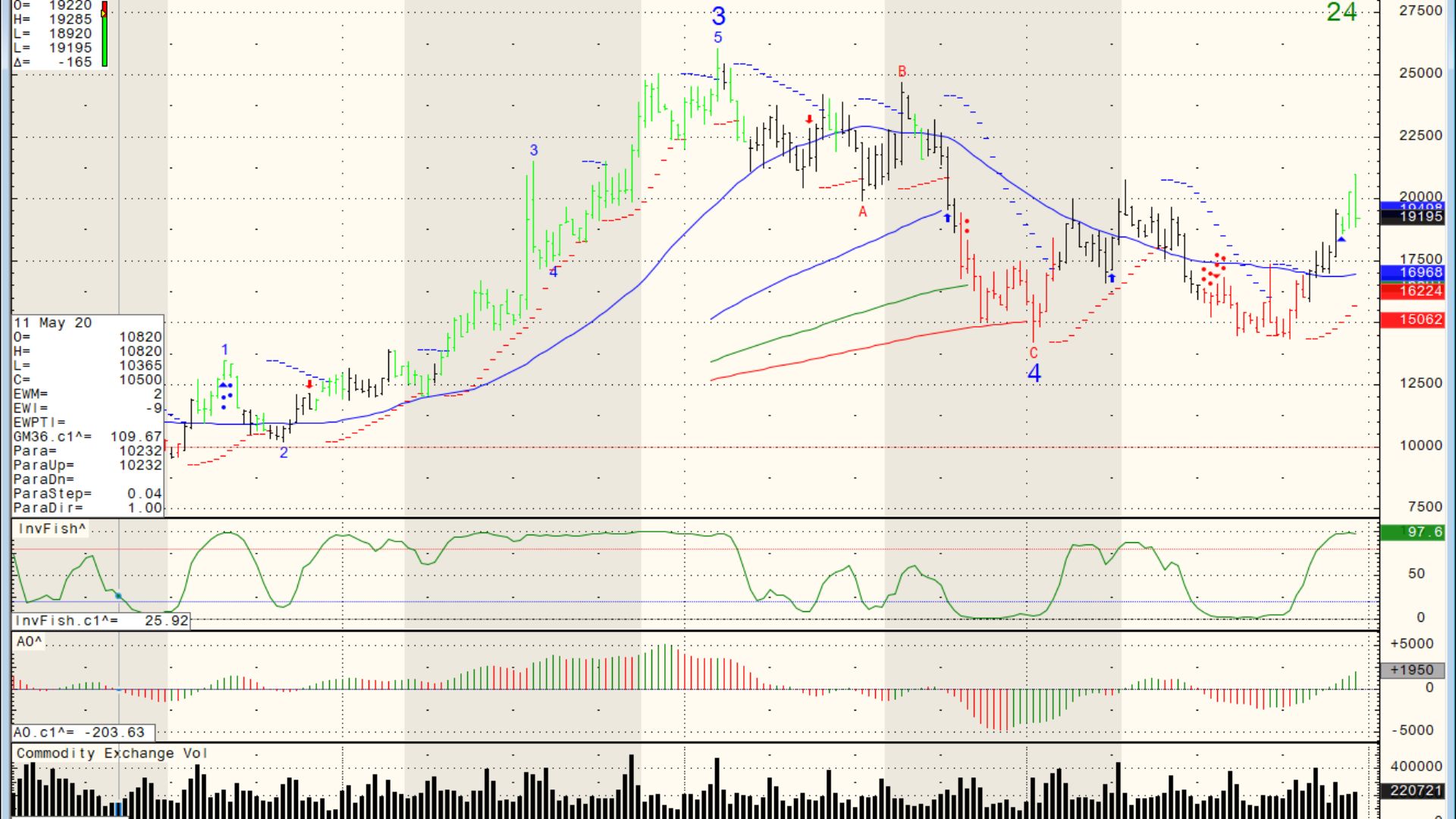
Global coffee prices are once again showing signs of movement, drawing close attention from traders, roasters, and producers alike. After months of relative stability in some markets and volatility in others, price signals are beginning to shift driven by a familiar mix of weather risks, supply dynamics, and changing demand patterns.
Coffee is one of the most traded agricultural commodities in the world, and even small disruptions can ripple quickly through the market. When prices move, it rarely comes down to a single factor. Instead, the current shifts reflect a convergence of production uncertainty in key origins, currency fluctuations, and cautious buying behavior from major consuming regions.
For industry stakeholders, understanding what the market is signaling matters more than reacting to short-term price swings. Beneath daily fluctuations, broader structural trends are shaping where coffee prices may head next and how the global supply chain is adjusting in response.
Weather Risks Continue to Influence Supply Expectations
Weather remains one of the most powerful forces behind coffee price movements. Irregular rainfall patterns, prolonged droughts, and temperature extremes have affected several major producing countries in recent seasons.
Brazil, the world’s largest coffee producer, continues to be closely watched due to its outsized influence on Arabica supply. Vietnam, which dominates Robusta production, faces its own challenges linked to rainfall variability and water availability.
Even when actual production losses are limited, the perception of risk alone can move futures markets. Traders often price in uncertainty well before harvest data confirms real impacts, creating short-term volatility that ripples across global benchmarks.
Arabica and Robusta Markets Are Sending Different Signals
One of the clearest trends in recent price movements is the growing divergence between Arabica and Robusta markets.
- Arabica prices tend to react more strongly to weather concerns and speculative activity.
- Robusta prices are increasingly influenced by structural demand, particularly from soluble coffee and blended espresso markets.
This divergence reflects changing consumption patterns, where Robusta plays a larger role in value-driven and industrial segments. When supply tightens or demand accelerates in these areas, Robusta prices can move independently of Arabica sometimes even outperforming it.
According to market reporting from Reuters, this split has become more pronounced as roasters adjust formulations in response to cost pressures.
Currency Fluctuations Are Quietly Reshaping Trade Decisions
Coffee is traded globally in U.S. dollars, making currency movements a critical but often overlooked factor.
When producer-country currencies weaken against the dollar:
- Exports may accelerate, increasing near-term supply
- Farmers may delay sales, expecting better local returns later
Conversely, a stronger local currency can reduce selling pressure and tighten export flows. These currency dynamics can amplify or dampen price movements, even when physical supply remains unchanged.
For buyers and roasters, exchange rate volatility adds another layer of risk to procurement planning.
Demand Remains Resilient but More Price-Sensitive
Global coffee consumption continues to show resilience, particularly in emerging markets. However, demand is becoming more price-conscious in mature markets, where inflation and higher living costs influence purchasing behavior.
Roasters and retailers are responding by:
- Adjusting blend compositions
- Offering smaller package sizes
- Prioritizing consistency over experimentation
While overall demand has not collapsed, buying patterns are more cautious. This has tempered extreme price rallies while reinforcing the market’s sensitivity to supply-side news.
Inventory Levels and Stock Management Are Back in Focus
Certified exchange stocks and commercial inventories play a critical role in price stability. When inventories decline, markets become more reactive to any disruption. When stocks are comfortable, price movements tend to be more muted.
Recent shifts suggest that:
- Buyers are managing inventories more tightly
- Just-in-time purchasing is replacing long-term stockpiling
This approach reduces carrying costs but increases exposure to sudden price spikes. As a result, futures markets are reacting more sharply to short-term signals than in previous cycles.
What the Market Is Really Signaling
Taken together, current price movements suggest a market that is cautiously nervous rather than fundamentally broken.
Key signals include:
- Ongoing sensitivity to weather and climate risk
- Structural strength in Robusta demand
- Greater emphasis on cash flow and inventory efficiency
- Reduced tolerance for uncertainty across the supply chain
Rather than pointing to a single dramatic shift, the market appears to be recalibrating balancing long-term supply challenges with near-term demand realities.
👉 [Also read: Other articles on this website]
What This Means for Roasters, Traders, and Buyers
For industry professionals, the current environment rewards preparation over speculation.
Roasters may benefit from:
- Flexible sourcing strategies
- Blend adaptability
- Closer coordination with suppliers
Traders and buyers are likely to focus on:
- Risk management rather than aggressive positioning
- Shorter buying cycles
- Diversification across origins and qualities
In a market shaped by uncertainty, responsiveness matters more than prediction.
Conclusion
Global coffee prices are shifting once again not because of a single shock, but due to overlapping pressures that continue to reshape the market. Weather risk, currency movements, and evolving demand patterns are all sending signals that the industry cannot afford to ignore.
While volatility may persist, the underlying message is clear: the coffee market is becoming more sensitive, more interconnected, and less forgiving of surprises. Those who understand these signals early will be better positioned to navigate whatever comes next.
Q1: Why are global coffee prices changing again?
Because of combined factors such as weather uncertainty, supply expectations, currency movements, and demand behavior.
Q2: Are Arabica and Robusta prices moving the same way?
Not always. Each market responds to different supply and demand pressures.
Q3: Should roasters expect continued volatility?
Yes. Ongoing climate risk and cautious buying behavior suggest continued sensitivity in prices.