How to Properly Roast Coffee Beans in the Oven
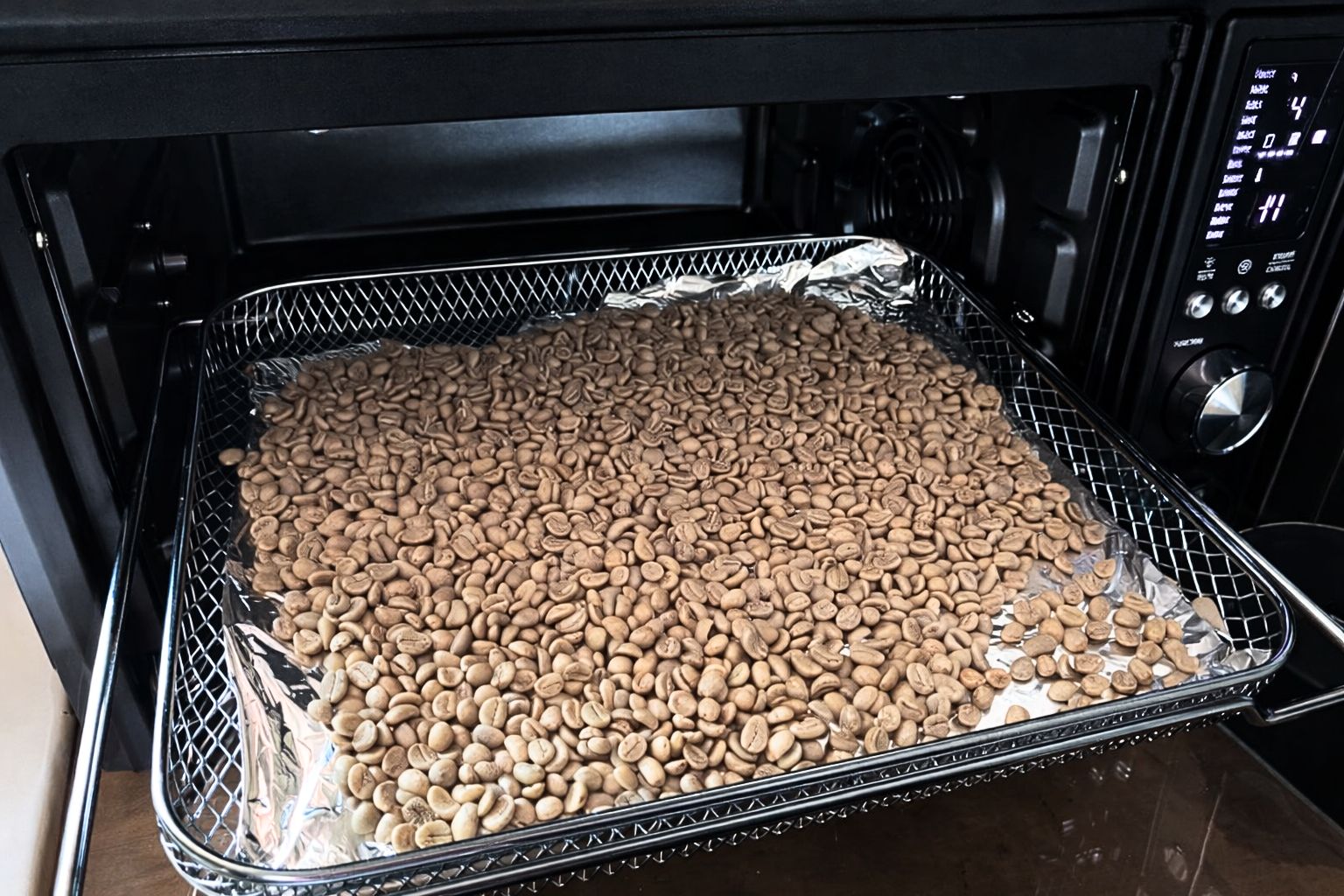
Learning how to properly roast coffee beans in the oven is one of the simplest ways to understand coffee at a deeper level. Without investing in a dedicated roaster, you can transform green coffee beans into fresh, aromatic roasted coffee using equipment you already have at home. While oven roasting won’t offer the precision of professional machines, it’s an effective and educational method for beginners who want to experience the roasting process firsthand.
Roasting coffee in an oven is less about perfection and more about awareness – heat, time, smell, color, and sound all matter. If done carefully, the results can be surprisingly satisfying.
What You Need Before You Start
Before jumping into how to properly roast coffee beans in the oven, make sure you have the right tools and setup.
Essential equipment:
- Green coffee beans (specialty-grade if possible)
- Conventional oven (not microwave)
- Baking tray or sheet pan (preferably perforated or rimmed)
- Parchment paper or aluminum foil
- Heat-resistant spatula or spoon
- Metal colander or cooling tray
- Timer
Good ventilation is important. Roasting coffee produces smoke and strong aromas, especially as beans approach darker roasts.
How to Properly Roast Coffee Beans in the Oven: Step-by-Step
1. Preheat the Oven
Set your oven to 230°C (450°F). Consistent heat is crucial. Allow the oven to fully preheat before placing the beans inside.
2. Prepare the Beans
Spread the green coffee beans in a single, even layer on the baking tray. Avoid stacking – uneven layers cause uneven roasting.
3. Start Roasting
Place the tray on the middle rack of the oven. Start your timer immediately.
During roasting:
- Beans will turn from green to yellow
- You’ll smell grassy aromas, then toasted notes
- Steam and chaff will be released
4. Listen for the First Crack
- Around 8 – 12 minutes, you’ll hear popping sounds known as the first crack.
- Stopping shortly after this gives a light roast
Continuing a few minutes longer develops medium roast flavors
Stir or shake the tray every 2 – 3 minutes to improve heat distribution.
5. Decide Your Roast Level
- Light roast: Stop 30 – 60 seconds after first crack
- Medium roast: 2 – 3 minutes after first crack
- Dark roast: Approaching or entering second crack (be cautious – smoke increases rapidly)
Avoid roasting too dark in an oven, as control is limited and burning happens fast.
Cooling the Beans Properly
Cooling is a critical step in how to properly roast coffee beans in the oven. Once removed from heat, beans continue roasting internally.
- Transfer beans immediately to a metal colander
- Shake or stir to release heat and chaff
- Allow them to cool completely within 3–5 minutes
Do not leave beans on the hot tray.
Let the Coffee Rest (Degassing)
Freshly roasted coffee needs time to release carbon dioxide.
- Rest beans 24–72 hours before brewing
- Store in a breathable container (not airtight at first)
- Avoid grinding immediately after roasting
This resting period improves flavor clarity and balance.
Common Mistakes to Avoid
- Overcrowding the tray
- Skipping stirring during roasting
- Roasting at too low a temperature
- Ignoring smoke buildup
- Brewing immediately after roasting
Understanding these mistakes is part of mastering how to properly roast coffee beans in the oven.
Is Oven Roasting Worth It?
Oven roasting won’t replace drum roasters or fluid-bed machines, but it offers:
- A low-cost entry into roasting
- Hands-on learning about roast development
- Appreciation for aroma, color, and timing
For coffee enthusiasts and curious beginners, it’s a valuable experience – even if it’s not the final destination.
Final Thoughts
Knowing how to properly roast coffee beans in the oven helps you connect with coffee beyond brewing. You’ll gain insight into roast levels, flavor development, and the challenges roasters face every day. With patience, careful observation, and practice, oven roasting can produce drinkable – and sometimes impressive – results.

Wong young low is a coffee industry journalist from China who has been writing since 2007, focusing on specialty coffee, roasting, and market trends. He writes based on field experience and supply chain observations – helping roasters and coffee businesses make more accurate and realistic decisions.