How to Roast Coffee: The Truth About Optimal Batch Size
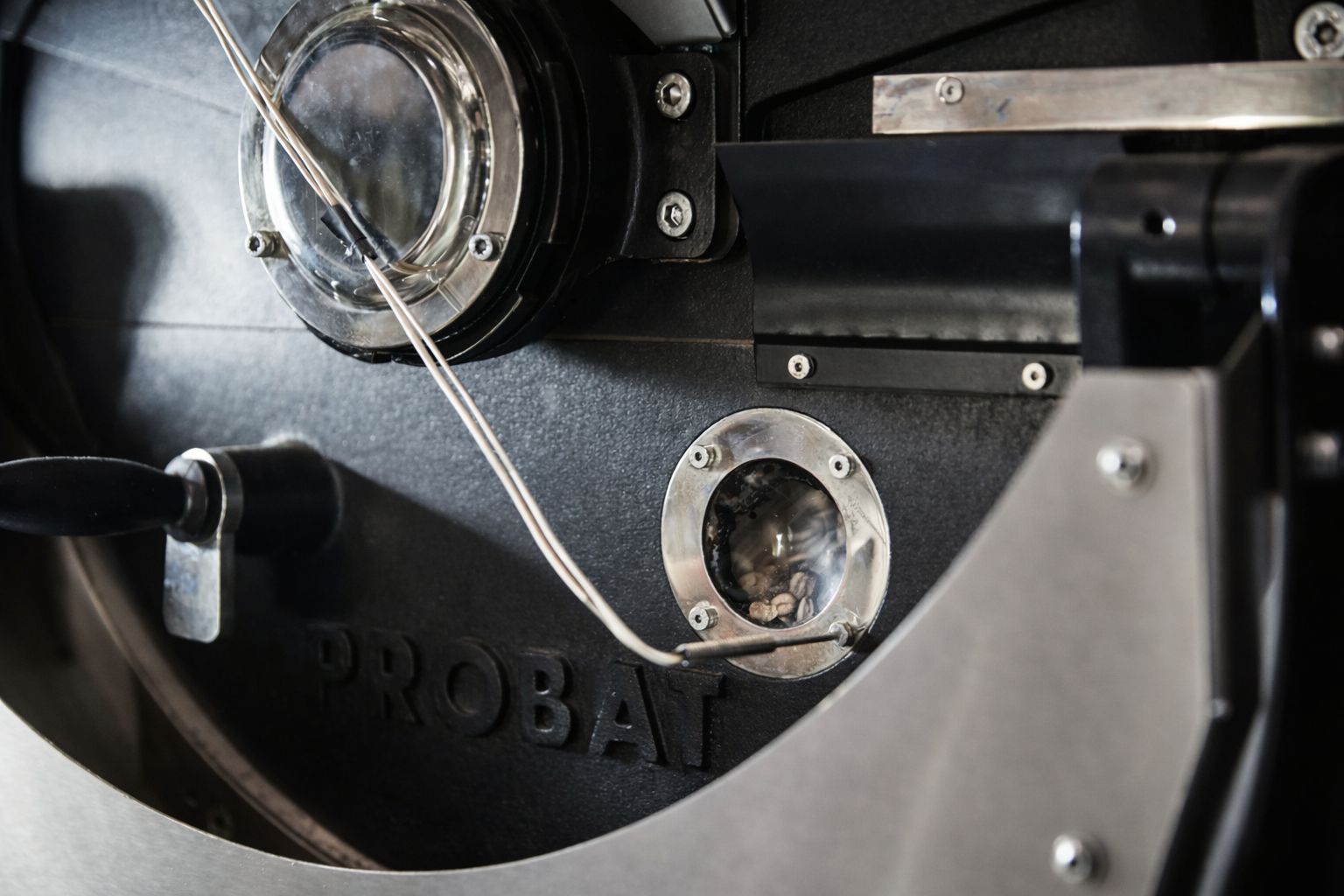
How to Roast Coffee: The Truth About Optimal Batch Size. Wong, what’s the optimal batch size for a Probat P12 series 3? Wong, how about a Luring S15 Falcon? What’s the optimal batch size for that? Or possibly even a 30 kilo gon? How about that? How do you find the optimal batch size?
These are questions that I fielded quite often. And in this Article, I’m going to explore how I would go about finding the optimal batch size for your new roster.
What Does “Optimal” Mean?
So let’s first define what optimal is or let’s not medeine let’s ask the question how do you achieve or what do you denote optimal being?
We as coffee roasters have got to balance a couple of things. Number one we’re a production facility. We’re a food production facility and we have to output our product. We want to maximize that output per hour so that we’re as efficient as we possibly can for every minute that you stood at that roasting oper apparatus.
So therefore, one could decide that optimal is the most and possibly that is your pursuit.
However, how about if you’re an out-and-out specialist roster and you want optimal being the maximum amount of aroma, fragrance, and flavor in the cup. Is there an optimal volume or mass of coffee for your apparatus? Yes, there will be.
And do optimal on flavor and optimal on output necessarily correlate? And I would say not.
Don’t Trust the Nominal Load
The marketing team of your roster manufacturer will tell you that this is a 12 kilo roster, Jameson. This is a 15 kilo roster. And quite possibly the machine will be able to output 100% of its nominal load, the load denoted by the manufacturer. However, that as I said may not correlate with the tastiest batch.
Now what spawned this other than many questions that I get via the internet about this particular optimal batch size thing.
My Fixed Batch Sizes (Probat and Loring)
I roasted on that lurorrying a batch that it was lower than my target batch. Let me define.
I have a fixed batch size. Every roast that I perform is exactly the same batch size.
On that luring S15 Falcon it is 12 kilos. That is a 15 kilo roster. I am therefore running at 80% of the total load mass as given to me by the manufacturer.
When I was on the Probat, this is a 12 kilo roaster. I was roasting 9 kilo loads. And when I say 9 kilos, 12 kilos, I mean green coffee input.
So again, I was not maximizing the potential of that machine. And the reason why I do those or that percentage is I found that there was a nice balance between output and fidelity and flavor inside of the cup.
The Surprise Roast: 10.55 Kilos
However, this week I roasted on that machine a batch of coffee that was 10.55 kilos. Now, why I had 10.55 kilos of green coffee left that I just didn’t want to blend into something else or throw away. I mean, who would do that?
So I challenged myself to roast this lower batch size on that machine and I did and it was a success in graphical terms. So the roast data looked mint.
Now what unbeknownst to me the very next day our William the production manager that we have here at the roastery brewed a batch of this and put it in front of me whilst I was doing the next day’s production roasting.
And it was stunning. It was so welldeveloped. One day, 24 hours out of that roster.
And this is a roster here that I have been bleeding on about. Please leave your coffee for a month. Don’t get into it too early because it really needs time to develop.
So, I’m going to keep a bag of this coffee and in a month’s time, I’m going to cup it and see how delightful it is because it may be that the optimal load for a Luring S15 Falcon is much lower than the 15 kilos. Or I haven’t yet developed the skill set which is quite probable to be able to maximize the input coffee 15 kilos and still attain that wonderfully well-developed coffee.
The Method: How to Find Your Optimal Batch Size
So the beginning of this article was how do you find the optimal batch size or load?
What I would do if I were you and I’ve bought a new coffee roaster, I would first start at 100% load and I would then work backwards kilo by kilo until you get to maybe 50%.
Why 50%, well because at 50% you probably should have bought the roasting apparatus that was smaller.
So in this case, the next size up on the luring is a 35 kilo. If I was putting in 15 kilos of coffee, then maybe maybe I should have bought the 15, but I didn’t. I I’ve got the I’ve got the 15 anyhow.
So I would start at 100% and I would work backwards.
What to Control: End Temperature and Roast Time
The metrics that I would try to keep the same end temperature. So end temperature is critically important to the development of flavor.
If you can match the end temperature, you’re very likely to get the same chemistries and therefore somewhat the same cup profile in the cup on the cupping table.
I would then also try to make sure that the roasting times are somewhat similar, albeit as you go lower and lower in batch size, that’s going to be harder and harder to attain.
So really focus on that end temperature.
And then I would blind cup.
Now, there’s quite a lot of coffee to put through your machine. It could be some degree of wasted, but I would strongly argue that that would be an excellent exercise to figure out where optimal would be.
Optimal Has Different Peaks
Optimum in batch size is going to have two many different peaks. Think about your bell curves of extraction in espresso brewing or any brewing for that matter or how your acidity and sweetness peaks. They all peak at different rates and we as coffee roasters running a production facility but wanting delicious coffee want to try and marry those peaks as close as possible.
And I would argue that by going through that exercise of high to lower, you will find the tastiest, most developed, most soluble batch and one where you’ve got more volume and somewhat close to that most delicious batch.
Hopefully those two peaks are going to be very close to the maximum input and output of the of the roster. That would be the dream.
When Flavor and Output Are Far Apart
But for those of you who do think what’s the optimum? How do I attain it? That’s the methodology that I would use.
Now I know that some of you if you decide to go through this exercise are going to be somewhat disappointed that optimal flavor and optimal output are quite far apart. That’s super frustrating.
At that point, you have to make a decision as to what you want to achieve inside of your business or as a roast operator.
If you’re an employee, encourage your boss to go and buy a new roster, get an air roaster, IMF, Loring, etc.
Final Note: Do Your Own Investigation
One last bit of information is don’t listen to people on the internet.
I know I’m here giving some advice on how to ascertain where this optimal batch size is, but hopefully I’m not telling you what you should do. I’m giving you an idea as a route to find out where that optimum lies on your apparatus.
That’s the key.
Each machine is its own beast. There is no way that the information that I can provide you for each of these roster manufacturers is applicable in your setup.
Please go through the motions of investigation internally as per your setup, as per your wishes, likes and desires, as per your business requirements. They are all different.
What I describe here is exactly that. It is a description of methods in order to get to you into a better position. It is not a prescribed method of doing things.
So, I know these things that I say sometimes can be a bit frustrating because I’m not giving you absolutes. Rather, take what I say, take what the internet says as a guide of investigation, but do your own investigation.
Anyhow, I hope this has been useful. Do leave me some comments. Do subscribe if you feel like you’re going to get value from me over the coming months and years.
Read other articles :
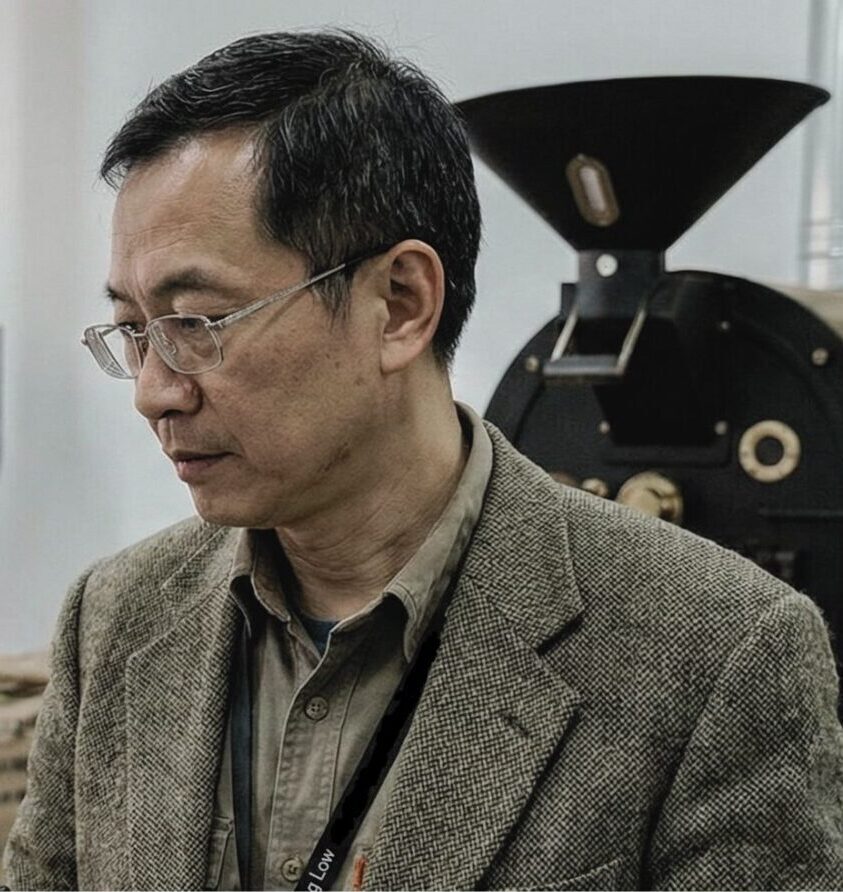
Wong young low is a coffee industry journalist from China who has been writing since 2007, focusing on specialty coffee, roasting, and market trends. He writes based on field experience and supply chain observations – helping roasters and coffee businesses make more accurate and realistic decisions.