How to Start Your Own Coffee Roastery : A Step-by-Step Guide
Starting a coffee roasting business is a dream for many coffee professionals and coffee lovers. With global demand for specialty coffee on the rise, a well-executed roasting business can be both profitable and sustainable.
This guide explains each key step, from sourcing green coffee beans to roasting and selling your coffee in a professional market.
Step 1 – Understand the Coffee Roasting Business
Before buying any equipment, you need to understand how a coffee roastery operates.
Key aspects of a coffee roastery:
- Green coffee sourcing
- Roasting profiles & consistency
- Quality control (cupping)
- Packaging & branding
- Distribution & sales channels
A roastery is not just about roasting beans it’s about creating repeatable quality.
Step 2 – Define Your Coffee Roastery Concept
Clear positioning helps you stand out in a competitive market.
Questions to answer:
- Will you focus on specialty coffee or commercial blends?
- B2B (cafés, hotels) or B2C (online, retail)?
- Light roast, medium roast, or omni-roast?
- Local market or international shipping?
Popular roastery models:
- Micro roastery
- Contract roastery
- Direct-to-consumer online brand
- Wholesale-focused roastery
Step 3 – Create a Coffee Roastery Business Plan
A solid business plan helps you avoid costly mistakes.
Your plan should include:
- Startup costs (equipment, rent, licenses)
- Monthly operating costs
- Target market
- Pricing strategy
- Break-even analysis
- Growth plan (12–24 months)
Most small roasteries break even between 12–18 months if managed well.
Step 4 – Source High-Quality Green Coffee Beans
Green coffee quality determines your final cup quality.
Where to source green beans:
- Coffee importers
- Direct trade with farmers
- Coffee auctions
- Green coffee marketplaces
What to look for:
- Origin & altitude
- Processing method
- Moisture content
- Crop year
- Sample roast & cupping score
Step 5 – Choose the Right Coffee Roasting Equipment
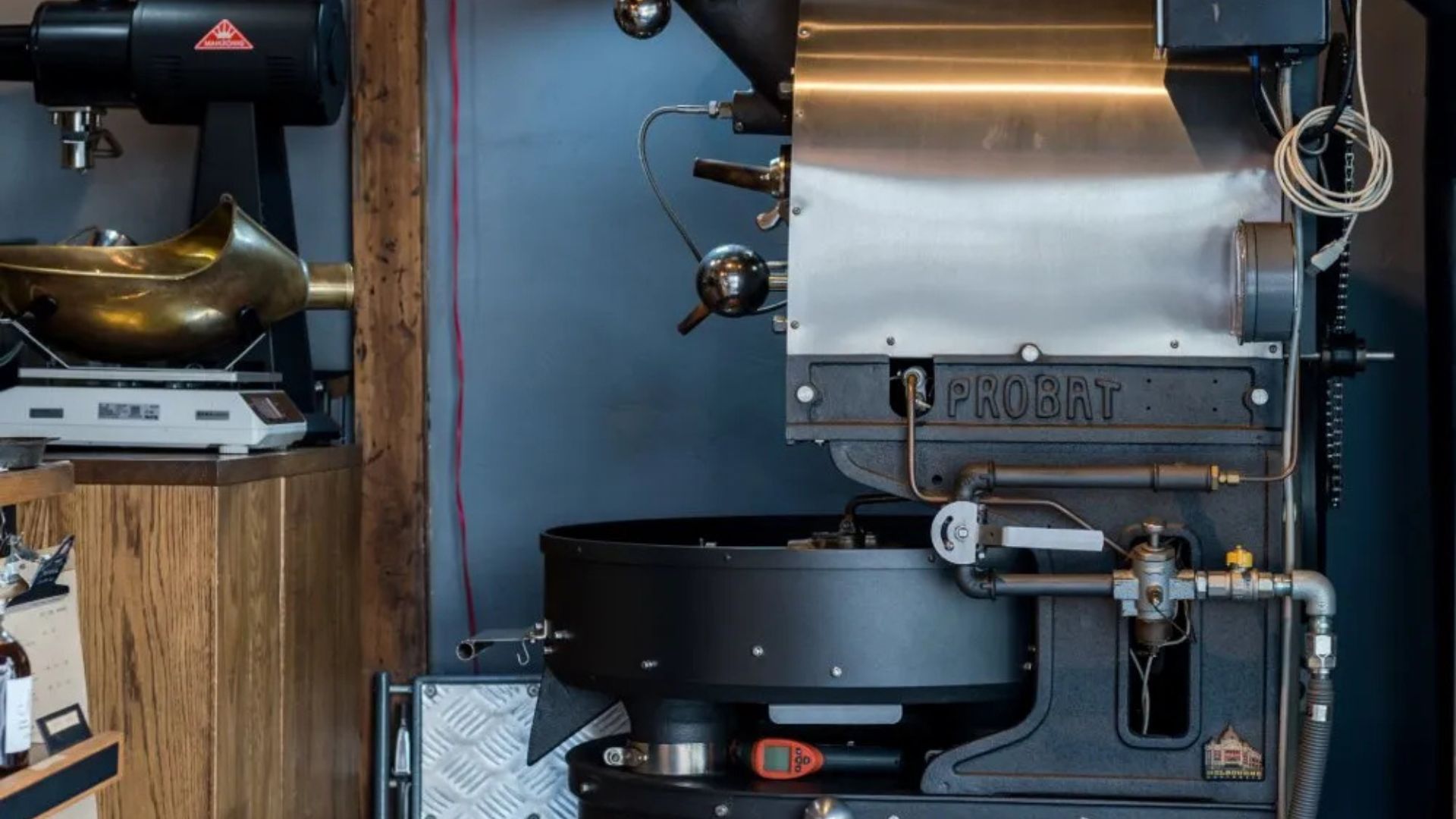
This is the biggest investment in your coffee roastery.
Essential equipment:
- Coffee roaster (1–15 kg batch size)
- Green bean storage bins
- Destoner
- Cooling tray
- Exhaust & ventilation system
- Digital roast profiling software
Popular roaster types:
- Drum roaster
- Fluid bed roaster
- Hybrid roaster
Start small. You can always upgrade once demand grows.
Step 6 – Learn Coffee Roasting Profiles & Quality Control
Consistency is everything in roasting.
What you must master:
- Charge temperature
- Roast development time (RDT)
- First crack & second crack
- Airflow & gas control
- Post-roast resting
Quality control methods:
- Cupping every batch
- Tracking roast curves
- Defect identification
- Shelf-life testing
Step 7 – Branding, Packaging & Labeling
Strong branding helps your coffee sell before it’s even tasted.
Packaging essentials:
- Valve coffee bags
- Roast date clearly printed
- Origin & tasting notes
- Brewing recommendations
Branding tips:
- Simple, memorable logo
- Clear brand story
- Consistent colors & fonts
- Professional photography
Step 8 – Legal Requirements & Certifications
Every country has different regulations, but generally you’ll need:
- Business registration
- Food safety permits
- Import license (if applicable)
- Product labeling compliance
- Trademark registration (recommended)
Step 9 – Pricing & Sales Channels
Common sales channels:
- Online store
- Coffee shops
- Subscription service
- Restaurants & hotels
- Local markets & events
Pricing formula example:
(Green Bean Cost + Roasting Cost + Packaging + Overhead) × Profit Margin)
Never underprice your expertise has value.
Step 10 – Market Your Coffee Roastery
Marketing is just as important as roasting.
Effective strategies:
- SEO content (coffee guides, origin stories)
- Instagram & TikTok roasting videos
- Email newsletter
- Coffee subscriptions
- Collaborations with cafés
Common Mistakes New Coffee Roasteries Make
- Buying oversized equipment
- Ignoring quality control
- No clear brand positioning
- Weak online presence
- Inconsistent roast profiles
Conclusion
Starting your own coffee roastery requires passion, precision, and planning. With the right strategy, equipment, and quality focus, your roastery can grow into a respected brand in the specialty coffee world.
Read other articles > Klik here