
The Limits of Sensory Control in Scaled Coffee Roasting
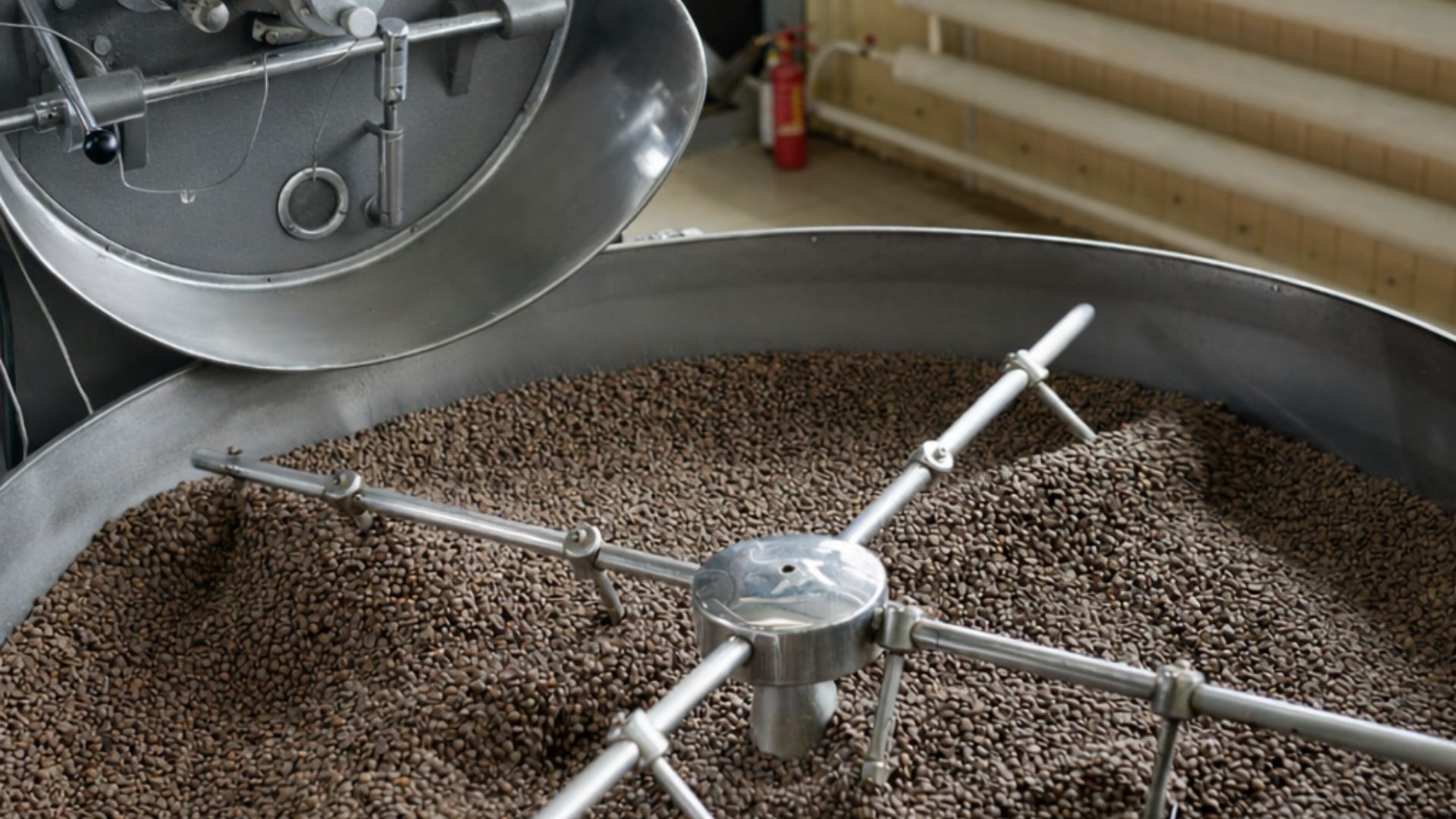
At small volumes, sensory control feels intuitive. The same people roast, cup, and adjust. Flavour feedback is immediate, informal, and tightly coupled to production decisions. When something tastes off, the cause is often still visible in memory: a charge temperature pushed too hard, a batch cooled too slowly, a green coffee behaving slightly differently that morning.
As roasteries scale, that feedback loop stretches and eventually breaks.
The challenge is not that sensory skill declines. In many cases, teams become more trained, more calibrated, and more disciplined in cupping. The problem is that sensory control does not scale in the same way throughput, staffing, or production hours do. What once functioned as a primary control mechanism becomes a lagging indicator. By the time flavour signals arrive, operational decisions have already moved on.
Understanding the limits of sensory control at scale requires separating what sensory evaluation is good at from what it cannot realistically govern once production complexity increases.
Sensory Control Works Best in Tight Feedback Loops
Sensory evaluation excels when feedback is fast, contextual, and actionable. In small operations, cupping results often feed directly into the next roast decision. The same person who tastes the coffee remembers the roast conditions and can adjust accordingly within hours.
Scale disrupts this dynamic.
As batch counts increase and roast days lengthen, cupping shifts later in the workflow. Samples accumulate. Production decisions are made before sensory feedback is available. Even when issues are identified, the opportunity to intervene has often passed. The system moves forward because it must.
At this point, sensory control still describes quality, but it no longer governs it. The distinction matters. Description without authority does not prevent drift.
Read also : The Operational Causes of Roast Profile Failure at Scale
When Palate Differences Become Structural
At small scale, palate differences are visible and manageable. Teams can discuss disagreements, recalibrate quickly, and converge on shared references. At scale, those differences become structural.
Multiple cupping panels, rotating staff, and compressed schedules introduce variation in interpretation. Two people may agree that a coffee is “different” but disagree on whether it is acceptable. Without clear thresholds tied to operational decisions, these differences stall action rather than guide it.
The common response is to chase tighter sensory alignment: more calibration sessions, more reference sets, more detailed descriptors. While useful, this approach often misses the core issue. The problem is not insufficient sensory resolution. It is unclear decision ownership.
At scale, sensory input must be paired with explicit authority: who decides, based on what signal, and with what consequence. Without that structure, even excellent sensory work loses influence.
Sensory Evaluation Cannot Carry Operational Load Alone
One of the most persistent misconceptions in roasting is that sensory control can compensate for upstream variability. In practice, it cannot at least not indefinitely.
As volume grows, variability increases elsewhere in the system:
- Green coffee age, moisture, and density shift across deliveries
- Equipment behaviour changes over long roast days
- Operators interpret profiles differently under time pressure
- Production schedules reduce tolerance for stopping or reworking
Sensory evaluation may detect the result of these changes, but it cannot absorb their operational cost. Asking the cupping table to “catch” problems introduced earlier in the chain turns quality control into a reactive function.
This is why many roasteries experience a paradox at scale: more cupping, more data, and more discussion yet less consistency. Sensory control is being asked to do the work of process design.
The Lag Problem: When Flavour Feedback Arrives Too Late
At scale, time becomes the enemy of sensory authority.
Even well-run cupping programs often operate on a delay: roasts happen today, samples are cupped tomorrow or later, feedback is discussed after that. By then, dozens of additional batches may have been produced under similar conditions.
When sensory issues surface, teams face a choice. Do they stop production and risk missing commitments? Or do they note the issue and plan to address it later? Under pressure, the system almost always chooses continuity.
Over time, this dynamic resets expectations. “Acceptable” quietly expands. Sensory signals become trend indicators rather than triggers. Quality does not collapse suddenly; it drifts.
The limitation here is structural, not cultural. Sensory feedback that arrives after decisions cannot realistically govern them.
Where Sensory Control Still Matters And Where It Does Not
Recognising the limits of sensory control does not diminish its importance. It clarifies its role.
At scale, sensory evaluation is most effective when it is used to:
- Define boundaries of acceptability, not micro-adjustments
- Validate systems, not replace them
- Identify patterns over time, not justify single-batch decisions
What sensory control cannot reliably do is manage real-time variability across complex, high-throughput systems. That work belongs to upstream controls: green coffee standards, profile governance, equipment maintenance, and production scheduling.
When sensory teams are asked to solve problems they do not control, frustration follows on both sides of the operation.
Read also : How to Write Useful Cupping Notes for Production Roasting | Roastery QC Guide
The Risk of Over-Reliance on Sensory Authority
Some roasteries respond to scaling pressure by elevating sensory authority above all else. Final calls are deferred to cupping results, even when operational constraints make corrective action impractical.
This can create a subtle misalignment. Production teams feel judged on outcomes they cannot fully control. Sensory teams feel ignored when feedback does not translate into change. Trust erodes.
Effective operations recognise that sensory input is one form of control among many. It must be integrated into a broader governance system where responsibilities are distributed appropriately.
Designing Systems That Reduce Sensory Burden
Roasteries that maintain quality at scale do not rely on sensory skill to compensate for weak systems. They design operations that reduce the burden placed on the palate.
This often includes:
- Clear green coffee intake standards that limit variability
- Explicit roast profile ranges rather than single ideal curves
- Defined decision thresholds that trigger action before cupping
- Production schedules that preserve limited slack for intervention
In these environments, sensory evaluation regains influence because it is not asked to do everything. It informs decisions that systems are prepared to act on.
Read also : How to Match Roast Profiles to Market Preferences
A Practical Takeaway
The limits of sensory control at scale are not a failure of skill or commitment. They are a consequence of time, volume, and complexity.
For industry professionals, the critical question is not how to taste more, but where tasting should sit within the control structure. Sensory evaluation is indispensable but only when it is aligned with systems that can respond to what it reveals.
As roasteries grow, quality is protected less by sharper palates than by clearer decisions about where sensory control ends, and where operational design must take over.
Follow us on :


