The Rise of Specialty Coffee Culture in Côte d’Ivoire
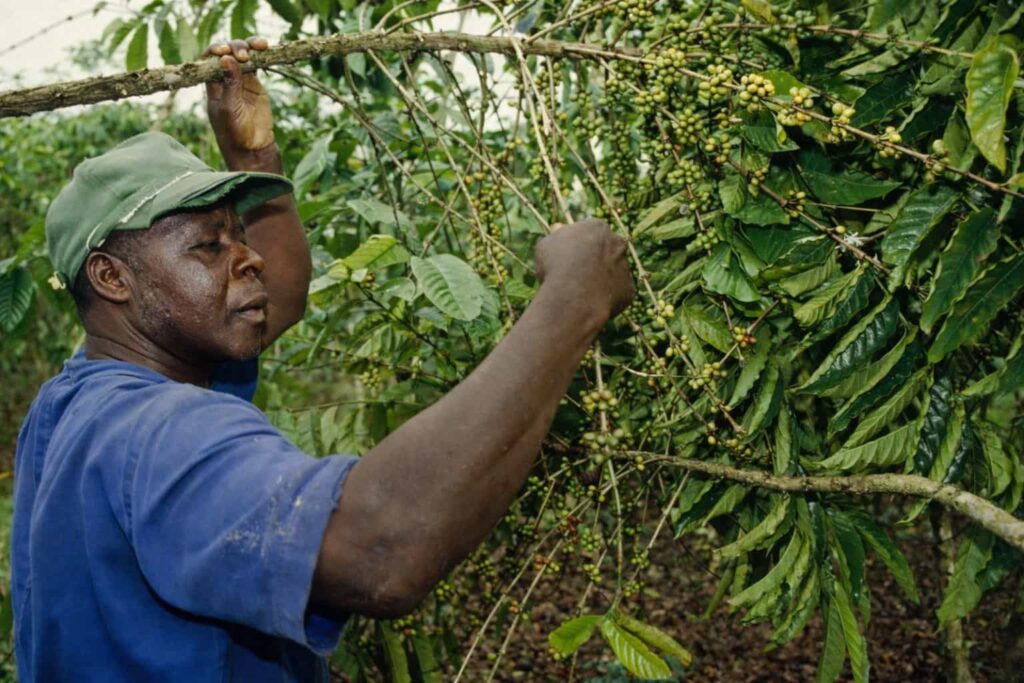
For years, Côte d’Ivoire exported its best coffee while consuming its cheapest. That imbalance is now beginning to shift. Economic growth is reshaping consumer expectations, and a new specialty coffee movement is emerging. Driven by fine robusta, vertical integration, and local entrepreneurship, this shift is changing how coffee is grown, consumed, and valued within the country.
For decades, Côte d’Ivoire played a significant role in global coffee production. However, its domestic market remained largely disconnected from the quality potential of its beans. Coffee culture historically focused on affordability and convenience, while higher-quality coffee left the country as an unprocessed export.
This dynamic is now changing. The country exported 650,000 60-kilogram bags of coffee in 2024, according to USDA data. Yet local consumers remained mostly excluded from the quality potential of domestically grown coffee.
This article explores the economic and cultural forces behind the rise of specialty coffee in Côte d’Ivoire, with Abidjan at its center. The shift reflects more than changing tastes. It represents a strategic effort to retain value at origin, create skilled employment, and strengthen the domestic coffee ecosystem.
Several developments are driving this transformation:
- Côte d’Ivoire’s GDP averaged 7% annual growth between 2012 and 2023, boosting demand for higher-quality products
- Specialty coffee shops and local roasters are expanding in Abidjan
- Investment in fine robusta is reshaping perceptions of the country’s coffee potential
- Vertically integrated businesses are retaining more value within national borders
To understand the scale of this shift, it is necessary to examine the foundations of Côte d’Ivoire’s coffee sector.
Production Strength and Traditional Consumption
Côte d’Ivoire’s identity as a coffee-producing nation has long been shaped by export-led production. Domestic consumption played a limited role. This structure influenced both the economy and coffee culture for generations.
In the 1970s, Côte d’Ivoire ranked as the world’s third-largest coffee producer, behind Brazil and Colombia. Its global position has since changed. Today, USDA data place the country among the top 20 coffee producers worldwide, with robusta accounting for most output.
Political instability weakened the sector over time. Two civil wars stalled investment, damaged infrastructure, and undermined consistent quality control. These disruptions slowed the industry’s ability to modernize.
At the consumer level, coffee culture prioritized practicality. Instant coffee sachets and roadside kiosks selling café noir dominated daily consumption. Price and convenience mattered more than quality or flavor. As a result, specialty coffee struggled to develop both culturally and commercially.
That balance is now shifting. Economic growth and changing expectations are redefining how Ivorians view coffee.
Hadi Beydoun of Café Continent explains more.
Economic Expansion and Changing Preferences
The emergence of specialty coffee in Côte d’Ivoire closely follows the country’s economic trajectory. Rising incomes have expanded interest in premium products and global consumption trends.
According to the IMF, Côte d’Ivoire’s economy grew at an average of 7% per year between 2012 and 2023. This performance consistently exceeded the sub-Saharan African average, as noted by the Institute for International and Strategic Relations. The growth supported an expanding middle class with greater purchasing power and international exposure.
These changes are visible in coffee consumption habits. Hadi Beydoun, founder of Café Continent, observes a shift from instant Nescafé to Nespresso capsules. Rising incomes and global influence are reshaping expectations. While capsule coffee is not specialty, it introduces consumers to premium pricing, origin awareness, and quality differentiation. This exposure helps bridge the gap toward specialty offerings.
This transition has created opportunities for businesses willing to invest in local sourcing and quality-driven experiences.
Prices are fluctuating, supplies are tightening, and long-held assumptions are breaking down. These forces are driving uncertainty in the global coffee market. They will shape industry decisions well into 2026.
Read more: What’s Driving Coffee Market Uncertainty in 2026 | Industry Analysis

Building a Specialty Market from the Ground Up
The most visible result of this shift is the growth of specialty cafés and roasters in Abidjan. These early operators are not simply following trends. They are actively building a market by educating consumers, training professionals, and proving that locally sourced specialty coffee can succeed.
Café Continent leads this movement as Côte d’Ivoire’s first specialty coffee company focused on local sourcing. Its model combines several elements essential to ecosystem development.
The company operates a vertically integrated structure. It runs retail cafés, a central roastery, private-label production, and franchising. It also supplies the HoReCa sector, raising coffee standards across hotels and restaurants nationwide.
Education plays a central role. To reduce reliance on foreign expertise, Café Continent partnered with the International Organisation of Coffee Arts (OIAC). Together, they established a training school offering internationally recognized certifications.
Adapting global quality standards to local preferences remains critical. Beydoun notes that consumers show curiosity but tend to avoid very light roasts with pronounced acidity. Most prefer classic espresso-style profiles. Balancing international benchmarks with local taste has been key to sustained adoption.
These efforts support a broader goal: retaining more value within Côte d’Ivoire’s coffee supply chain.
Value Retention Through Vertical Integration
For producing countries, capturing value beyond raw exports remains a structural challenge. Exporting green coffee and importing finished products locks producers into low-margin positions.
In Côte d’Ivoire, vertical integration offers a path forward. By controlling multiple stages of production, companies can generate higher domestic returns. Café Continent exemplifies this approach.
“Controlling all steps of the value chain is essential in a context where coffee has never been viewed as a quality product,” Beydoun explains.
The strategy extends beyond internal operations. Through training programs and industry events, the company promotes shared quality standards. This alignment supports consistency from farm to cup.
The economic impact is measurable. Since launch, Café Continent has created more than 40 jobs, including rural roles for coffee cherry harvesting. A new robusta processing station is expected to add over 15 positions. These value-added activities directly support local employment.
At the center of this strategy lies a renewed focus on robusta.
Elevating a Native Strength
Robusta dominates Côte d’Ivoire’s production. Repositioning it as fine coffee rather than a bulk commodity is essential. This shift allows the country to increase export value and develop a distinct identity.
Global trends support this move. High arabica prices have renewed interest in robusta, prized for its bold profile, high caffeine content, and resilience. In 2024, Europe imported 60,000 tonnes of green robusta. Imports are expected to rise as Vietnam’s production recovers in the 2025/26 season.
Government policy reinforces the opportunity. Côte d’Ivoire aims to quadruple annual coffee output. Quality-focused initiatives will be critical to avoid oversupplying low-grade coffee. Café Continent’s investments align with this goal by prioritizing differentiation over volume.
The company recently opened a processing facility in the western highlands at 800 meters above sea level. The site currently uses natural processing. Honey and washed methods are planned. The company expects initial results by 2027, with the aim of pushing Ivorian robusta quality further.
Conclusion
Côte d’Ivoire’s evolving coffee sector shows how growth, entrepreneurship, and strategy can reshape a traditional commodity industry.
By investing in vertical integration, professional education, and fine robusta development, local pioneers are building a specialty market that retains value at origin.
This approach offers a model for other robusta-producing countries. Rather than competing directly in the crowded premium arabica segment, Côte d’Ivoire is redefining its strengths.
In doing so, it is establishing a distinct position in the global specialty coffee landscape. More importantly, it demonstrates how producing countries can reclaim greater value by elevating what they already grow best.
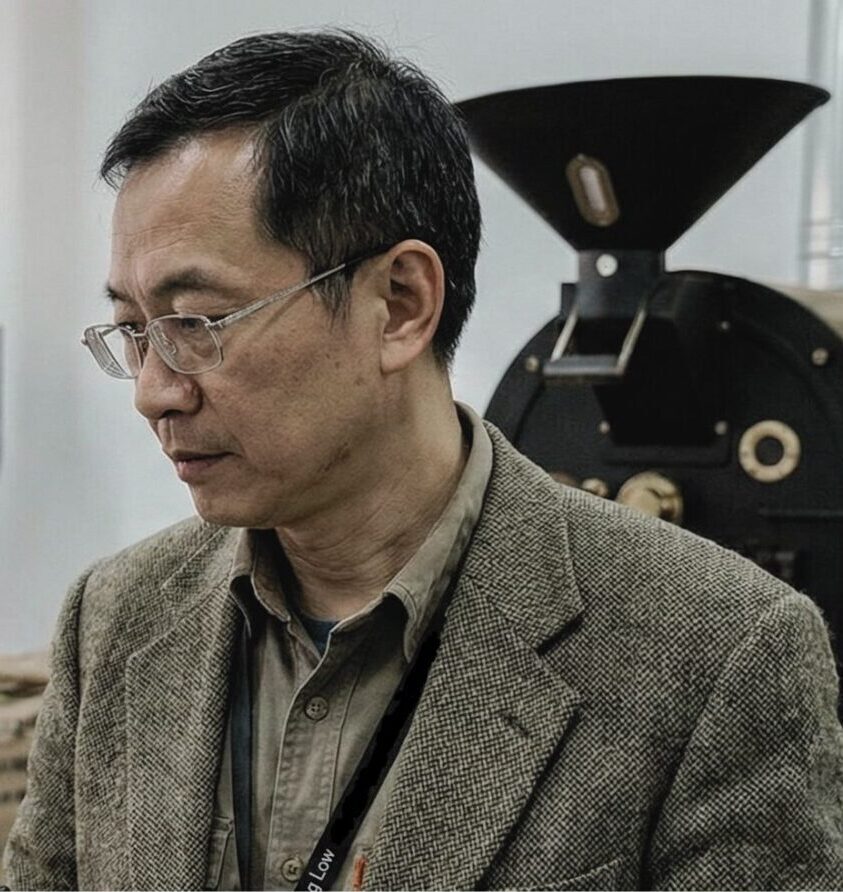
Wong young low is a coffee industry journalist from China who has been writing since 2007, focusing on specialty coffee, roasting, and market trends. He writes based on field experience and supply chain observations – helping roasters and coffee businesses make more accurate and realistic decisions.