Brewing Coffee Mistakes: 5 Errors That Ruin Natural Flavor
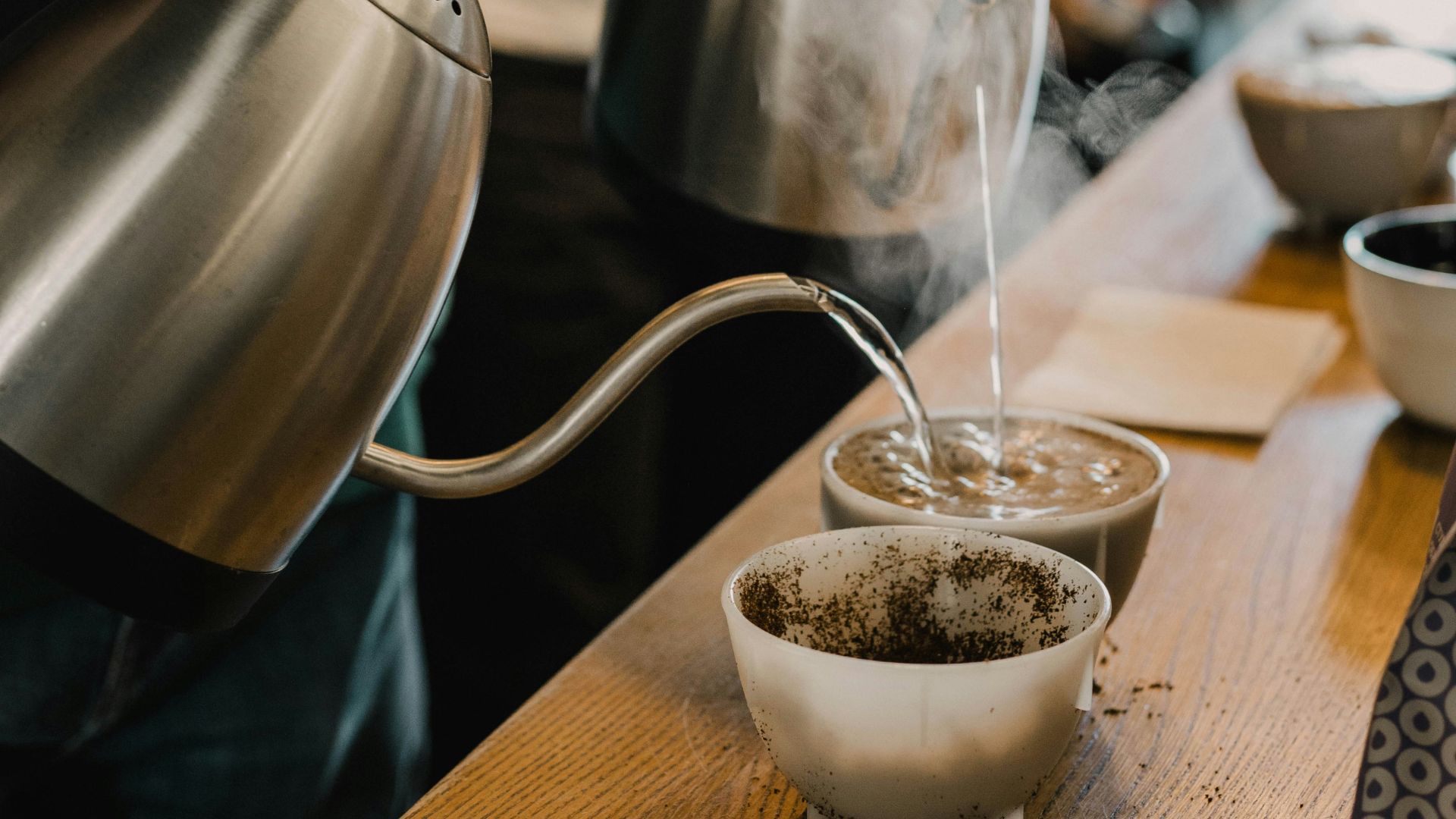
Good coffee doesn’t need to be forced.
Yet most people treat brewing like a race too hot, too fast, too careless.
When coffee tastes bitter, hollow, sour, or flat, the problem is rarely the beans. It’s usually how the coffee is brewed. Brewing mistakes strip away sweetness, mute aroma, and destroy balance before the cup ever reaches your mouth.
This article breaks down the five most damaging brewing coffee mistakes and shows exactly how to fix them. These are not theory-level tips. These are practical corrections used by roasters, baristas, and serious home brewers to protect coffee’s natural flavor.
If you want coffee that tastes the way it smells clean, expressive, and alive stop hurting it.
Mistake 1: Using the Wrong Grind Size
Grind size controls extraction more than any other variable.
Why Grind Size Matters
Coffee flavor is created by extraction the process of dissolving compounds from ground coffee into water. Grind size determines how fast this happens.
- Too fine → Over-extraction
- Too coarse → Under-extraction
Both ruin flavor in different ways.
What Over-Extraction Tastes Like
- Harsh bitterness
- Dry, chalky mouthfeel
- Burnt or woody notes
What Under-Extraction Tastes Like
- Sour or sharp acidity
- Weak body
- Hollow finish
How to Fix It
Match grind size to brew method:
- Espresso: Fine, powdery but not clumpy
- Pour-over: Medium to medium-fine
- Drip coffee: Medium
- French press: Coarse
- Cold brew: Extra coarse
Adjust grind before changing anything else.
Mistake 2: Brewing with Water That’s Too Hot (or Too Cold)
Water temperature directly affects what compounds are extracted.
Ideal Brewing Temperature
- 92–96°C (197–205°F)
Outside this range, flavor suffers.
Too Hot = Burned Flavor
Water above 96°C:
- Extracts excessive bitter compounds
- Destroys delicate aromatics
- Flattens sweetness
This is common when people pour boiling water straight from the kettle.
Too Cold = Sour and Thin
Water below 90°C:
- Fails to extract sugars
- Leaves acids unbalanced
- Produces weak, sour coffee
How to Fix It
- Let boiling water rest for 30–45 seconds before brewing
- Use a thermometer if possible
- Temperature-controlled kettles remove guesswork
Coffee should be brewed hot not aggressively.
Mistake 3: Ignoring Brew Ratio (Eyeballing Coffee and Water)
Coffee brewing is not guesswork. Ratios matter.
Why Brew Ratio Is Critical
Brew ratio controls strength and extraction balance. Too much coffee or too little water creates bitterness. Too much water produces thin, lifeless cups.
Standard Starting Ratios
- Filter coffee: 1:15 to 1:17
- Pour-over: 1:15
- French press: 1:14
- Espresso: Brew ratio is separate (1:2 is common)
Example:
20g coffee × 16 = 320g water
Common Ratio Mistakes
- Scoops instead of scale
- Changing coffee amount but not water
- Using mug size as reference
How to Fix It
- Use a digital scale
- Measure coffee and water every time
- Adjust ratio before changing grind or time
Consistency creates clarity.
Mistake 4: Brewing Too Fast or Too Slow
Brew time controls how much flavor is extracted.
What Happens When Brew Time Is Off
Too fast
- Sour, sharp taste
- Underdeveloped sweetness
Too slow
- Bitter, drying finish
- Muted aroma
Ideal Brew Times by Method
- Pour-over: 2:30–3:30 minutes
- Drip coffee: 4–6 minutes
- French press: 4 minutes steep
- Espresso: 25–30 seconds
How to Fix It
- Adjust grind size to control time
- Don’t force water through coffee
- Let gravity and proper grind do the work
Rushing coffee destroys balance.
Mistake 5: Using Poor-Quality or Dirty Water
Coffee is over 98% water. Bad water equals bad coffee.
Common Water Problems
- Too much chlorine
- Hard water with high mineral content
- Soft or distilled water with no minerals
Each problem impacts extraction differently.
Ideal Brewing Water
- Clean, odor-free
- Moderate mineral content
- pH close to neutral
How to Fix It
- Use filtered water
- Avoid distilled or softened water
- If coffee tastes flat, water is often the culprit
Great beans can’t overcome bad water.
Bonus Mistake: Dirty Brewing Equipment
Old coffee oils turn rancid.
Signs Your Gear Is Hurting Flavor
- Bitter aftertaste
- Musty smell
- Sticky residue on equipment
What to Clean Regularly
- Grinder burrs
- Brew baskets
- Carafes
- Filters and screens
Clean equipment weekly. Deep clean monthly.
Quick Fix Checklist for Better Coffee
Before blaming beans, check this:
- Grind size matches brew method
- Water temperature is controlled
- Coffee-to-water ratio is measured
- Brew time is within range
- Water quality is clean
- Equipment is clean
Fixing one variable can transform your cup.
Conclusion
Coffee doesn’t need to be pushed, rushed, or overworked. It needs control.
Most bad coffee comes from:
- Poor grind choices
- Uncontrolled water temperature
- Guesswork ratios
- Rushed brew times
- Bad water
Fix these five mistakes and coffee becomes sweeter, cleaner, and more expressive without changing the beans.
Good brewing doesn’t add flavor.
It protects what’s already there.
FAQ: Brewing Coffee the Right Way
Why does my coffee taste bitter even with good beans?
Over-extraction caused by fine grind, hot water, or long brew time is the most common reason.
Why does my coffee taste sour?
Under-extraction from coarse grind, low water temperature, or short brew time.
Should I always weigh coffee instead of using scoops?
Yes. Weight is consistent. Scoops are not.
Does water really matter that much in coffee?
Yes. Coffee is mostly water. Poor water quality ruins extraction.
What is the easiest mistake to fix first?
Grind size. Adjusting grind often improves flavor immediately.
Also read:
- Specialty Green Coffee Beans: What Makes Them Specialty Grad
- Climate Impact on Coffee Prices : A Roaster’s Perspective
- 7 ways to choose raw coffee beans don’t make a mistake again!
Follow :