
Coffee Grounds Make Better Cucumbers, Study Finds
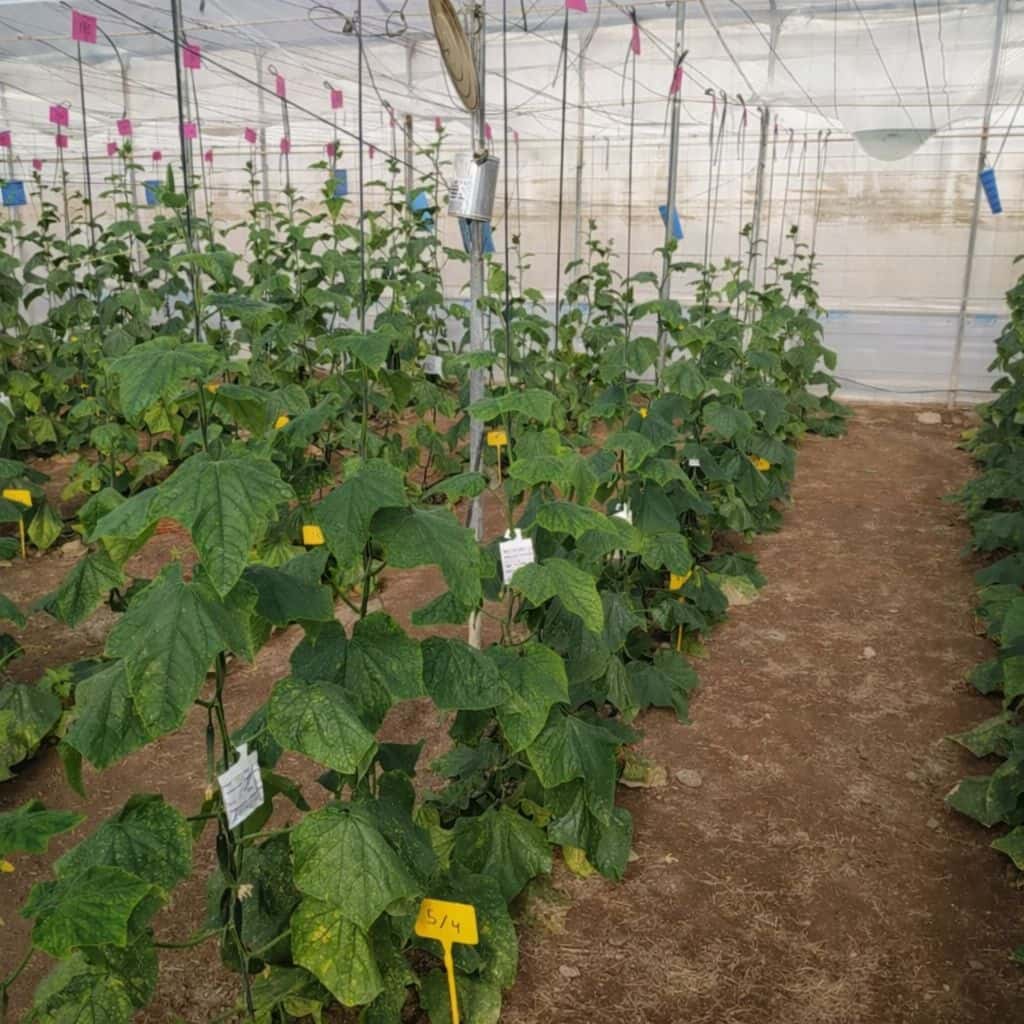
Coffee Grounds Make Better Cucumbers, Study Finds. In a meaningful step toward a functioning circular economy, researchers in Spain have uncovered a practical way to convert spent coffee grounds into an effective agricultural fertilizer. This “cup-to-crop” approach directly addresses two persistent global issues: the growing volume of agricultural waste and agriculture’s heavy reliance on synthetic fertilizers.
Research conducted by the University of Granada demonstrates that carefully formulated fertilizers made from used coffee grounds can enhance the flavor of commercially grown cucumbers while also increasing their nutritional value. Crucially, the study confirms that these improvements do not come at the expense of food safety, as heavy metal levels remain within acceptable limits. Together, these findings point to a realistic pathway for managing organic waste while reducing the environmental costs associated with conventional fertilizer use.
The Twin Pressures : Organic Waste and Fertilizer Reliance
Modern agriculture faces a structural dilemma. On one side, it must contend with enormous volumes of organic waste. On the other, it remains deeply dependent on synthetic fertilizers that carry environmental and economic drawbacks.
The University of Granada’s research positions coffee-based fertilizer as a credible alternative by repurposing one of the most abundant byproducts of the global food and beverage industry. At the same time, the study addresses a long-standing obstacle that has slowed the adoption of waste-derived fertilizers, The paper addresses a common roadblock in food-waste-to-fertilizer ideas: unwanted metals. .the danger of accumulating toxic heavy metals during processing.
By implementing a system that carefully manages and limits these contaminants, the researchers offer a solution that is not only circular in theory but also viable in real-world agricultural settings.
The Cup-to-Crop Approach : Turning Waste into Value
At its core, the “cup-to-crop” model is a working example of circular economy principles applied to agriculture. It demonstrates how a widely available waste material can be upgraded into a dependable, high-value farming input.
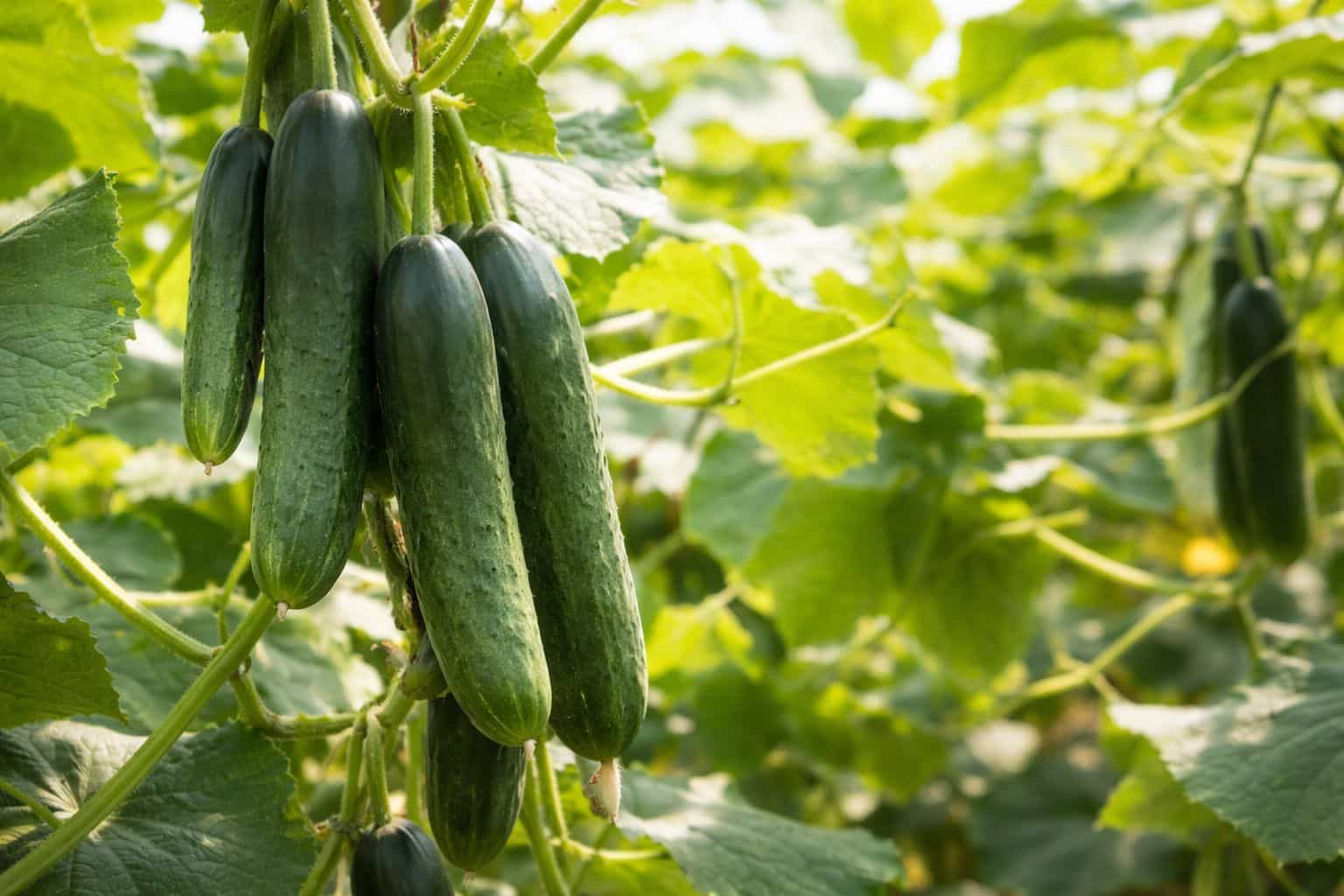
Published in the journal Chemosphere, the study focuses on Dutch-type cucumbers – the long, slender variety commonly sold individually wrapped in supermarkets and favored for their productivity in greenhouse environments. The research team developed a cost-efficient process that converts spent coffee grounds into compact fertilizer pucks tailored for this commercial production system, the researchers said in an announcement of the study.
However, producing a fertilizer that is both consistent and effective from organic waste required more than simple recycling. The success of these pucks depended on solving one of the most difficult challenges in organic inputs : variability.
Scientific Breakthrough: Bringing Consistency to Coffee Waste
One of the primary limitations of using organic waste in agriculture is its unpredictability. Coffee grounds vary widely depending on factors such as plant variety, origin, and roasting level. Without intervention, this inconsistency makes large-scale agricultural use unreliable.
To overcome this, the Spanish research team developed a specialized “tailoring” process that standardizes the chemical composition of the coffee grounds. Rather than merely evening out differences, the process actively generates bio-chelates – naturally occurring compounds that play a central role in the fertilizer’s performance.
These bio-chelates act as stable carriers for essential micronutrients, helping plants absorb and retain minerals such as iron, zinc, manganese, and copper. Compared with synthetic chelating agents, they offer a more sustainable alternative while delivering measurable agronomic benefits. This innovation directly connects the raw waste material to the improvements observed in the final crop.
Results in Practice : Better Nutrition, Flavor, and Safety
Any new fertilizer must ultimately prove its value in the field. In this case, greenhouse trials showed that the coffee-derived fertilizer delivered clear benefits across multiple dimensions of crop quality.
Key outcomes included:
- Improved flavor : Cucumbers grown with the tailored formulations showed measurable enhancements in taste.
- Nutritional enrichment : The fertilizer increased the concentration of essential micronutrients in the edible fruit, particularly iron and zinc.
- Heavy metal control : Levels of cadmium, mercury, and arsenic remained well below established safety thresholds, while lead content was also effectively managed.
These results demonstrate that waste-derived fertilizers can improve crop quality without introducing new safety risks – a critical requirement for commercial adoption.
Wider Impact : Rethinking Waste and Fertility in Agriculture
While the study centers on cucumbers, its implications extend far beyond a single crop. The findings offer a broader framework for integrating waste reuse into sustainable farming systems.
As the researchers note, this approach “not only enables the production of safer and more nutritious crops, but also encourages the reuse of a massive waste stream, reducing its environmental impact and reliance on commercial fertilizers.” The benefits of this model are multifaceted:
- It provides a scalable method for repurposing a ubiquitous organic waste material.
- It reduces the environmental burden associated with disposal.
- It offers a practical route to lowering agriculture’s dependence on synthetic fertilizers.
By closing the loop between consumption and production, the model supports a more resilient and resource-efficient food system.
Conclusion
The University of Granada study illustrates how agricultural innovation can align productivity with environmental responsibility. By transforming spent coffee grounds into a safe, effective, and nutritionally beneficial bio-fertilizer, the research sets a strong precedent for circular solutions within the global food system.
The “cup-to-crop” concept is more than a compelling idea – it is a working example of how everyday waste can be redirected into meaningful agricultural value. As pressure mounts to reduce waste and environmental impact, coffee-powered agriculture offers a glimpse of a future where sustainability is built into the system, not added as an afterthough
Wong young low is a coffee industry journalist from China who has been writing since 2007, focusing on specialty coffee, roasting, and market trends. He writes based on field experience and supply chain observations – helping roasters and coffee businesses make more accurate and realistic decisions.