5 Coffee Roasting Methods Used by Professional Roasteries
Coffee roasting is where raw potential becomes recognizable flavor. While green coffee beans carry genetic and geographic characteristics, it is the roasting method that ultimately determines how those qualities appear in the cup. This is why professional coffee roasteries invest heavily in equipment, training, and constant experimentation.
Across the global coffee industry, roasting methods vary based on scale, philosophy, and flavor goals. Specialty coffee roasteries often focus on precision and clarity, while large commercial operations prioritize consistency and efficiency. Each approach brings distinct advantages and distinct impacts on aroma, acidity, body, and aftertaste.
Understanding the coffee roasting methods used by professional roasteries explains why coffees can taste dramatically different, even when sourced from the same origin. It also reveals how roasting technology continues to shape modern coffee culture.
1. Drum Roasting: The Industry Standard
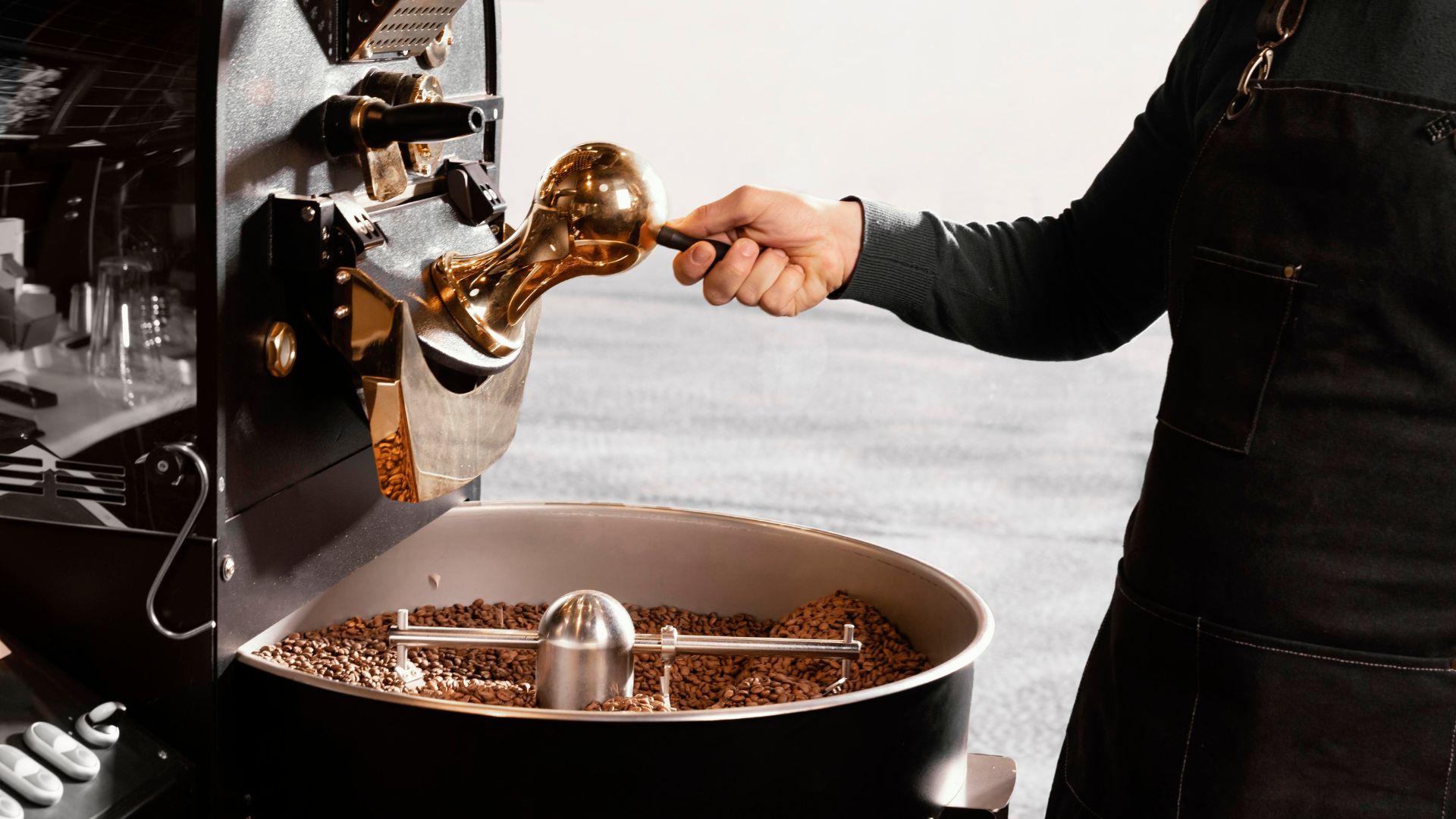
Drum roasting remains the most widely used coffee roasting method among professional coffee roasteries worldwide. The process involves rotating coffee beans inside a heated drum, allowing heat transfer through both direct contact and circulating hot air.
Why Drum Roasting Is So Popular
– Precise control over roast development
– Suitable for small to large batch production
– Excellent at highlighting origin characteristics
Drum roasters allow detailed manipulation of temperature curves, airflow, and roast duration. This flexibility makes them a preferred choice for specialty coffee roasteries focused on balance and flavor clarity.
According to Wikipedia’s overview of coffee roasting, drum roasting remains the backbone of both artisanal and commercial operations due to its adaptability.
2. Hot Air (Fluid Bed) Roasting: Precision and Clean Flavor
Hot air roasting also known as fluid bed roasting uses powerful streams of heated air to suspend and evenly roast coffee beans.
Key Characteristics
-Faster roasting cycles
-Cleaner, brighter flavor profiles
-Lower risk of surface scorching
This method is commonly associated with light roasts that emphasize acidity and aromatic complexity. Constant bean movement ensures highly uniform heat distribution.
Professional roasteries focused on modern, light-roasted specialty coffee often favor hot air roasting for its precision and repeatability. However, some critics note that it can produce less body compared to drum roasting.
3. Infrared Roasting: Controlled Energy Transfer
Infrared roasting is a less common but increasingly discussed method that uses infrared radiation to heat coffee beans more directly from the inside.
How Infrared Roasting Works
-Deeper heat penetration
-Reduced surface burning
-Greater internal development control
Some professional roasteries are experimenting with infrared-assisted systems to improve energy efficiency and minimize roasting defects. While still niche, the method is gaining attention as sustainability becomes a priority.
Research referenced by World Coffee Research highlights how alternative heat-transfer methods can influence flavor development and consistency.
4. Small Batch Roasting: Craft and Customization
Small batch roasting is more a philosophy than a technology. It involves roasting limited quantities at a time, often using compact drum roasters.
Why Roasteries Choose Small Batch Coffee Rosting Methods
-Greater attention to detail
-Easier roast profile experimentation
-feedback through cupping
Specialty coffee roasteries frequently use small batch roasting to develop signature profiles or limited releases. While less scalable, it allows faster responses to changes in green coffee quality or consumer preference.
This approach has fueled the global rise of micro-roasteries, a trend widely covered by outlets such as Reuters.
5. Industrial Continuous Roasting: Scale and Consistency
Large commercial coffee roasteries often rely on continuous roasting systems built for high-volume production.
Key Features
-Constant flow of coffee through the roaster
-Extremely consistent output
-Optimized efficiency and cost control
Although this method lacks the flexibility of small-batch roasting, it excels at delivering uniform flavor at scale. It is commonly used for supermarket brands and global distribution.
How Professional Roasteries Choose a Roasting Method
Roasteries select roasting methods based on several strategic factors:
-Business scale and production volume
-Target market (specialty vs commercial)
-Desired flavor profile
Energy efficiency and sustainability goals
Many modern roasteries combine methods, using drum roasters for specialty lines and industrial systems for larger contracts. This hybrid approach balances quality with operational efficiency.
Why Roasting Method Matters More Than Most People Think
The roasting method directly affects how sugars caramelize, acids develop, and aromatic compounds form. Even the best green coffee can taste flat or harsh if roasted using the wrong approach.
Professional roasteries understand that roasting is not just a technical step it is a defining factor of coffee identity. This is why roasting decisions often matter more than brewing technique when it comes to flavor.
Conclusion
Professional coffee roasteries use a variety of roasting methods, each designed to serve specific goals. From the flexibility of drum roasting to the efficiency of industrial systems, every approach reflects a balance between control, scale, and flavor expression.
Understanding these methods deepens appreciation for why coffee tastes the way it does and why the roastery plays such a critical role in quality. Great coffee is rarely accidental. It is the result of informed decisions made long before the first brew.