Essential Tools for Effective Coffee Cupping
Coffee cupping is not casual tasting. It is a structured evaluation method designed to reveal the true quality, defects, and potential of coffee. Without the right tools, cupping results become inconsistent, subjective, and unreliable.
Many roasters, buyers, and café owners underestimate how much equipment precision affects flavor perception. Small variations in bowl size, water temperature, or grind consistency can change how acidity, sweetness, and defects present in the cup.
This article breaks down the essential tools for effective coffee cupping, explains why each tool matters, and shows how professionals use them to achieve consistent, repeatable results.
Why Proper Cupping Tools Matter
Cupping tools are not about luxury. They are about control and standardization.
Proper tools ensure:
- Equal extraction across samples
- Accurate aroma and flavor comparison
- Reliable scoring and decision-making
- Reduced bias during evaluation
Without standardized tools, cupping becomes guessing not analysis.
Core Coffee Cupping Tools (Non-Negotiable)
1. Cupping Bowls
Cupping bowls are the foundation of the process.
Standard Specifications
- Capacity: 200–220 ml
- Material: Ceramic or tempered glass
- Shape: Wide opening, flat bottom
- Color: White or neutral
Why They Matter
Uniform bowl size ensures equal coffee-to-water ratios. Wide openings allow aroma to release properly during crust breaking and slurping.
Avoid bowls with:
- Thick lips
- Dark colors
- Inconsistent volume

2. Cupping Spoons
A cupping spoon is not a regular spoon.
Ideal Characteristics
- Deep bowl
- Rounded edges
- Stainless steel
- Neutral odor and taste
Why Spoon Shape Matters
The spoon controls:
- How coffee is slurped
- How aroma reaches the nose
- How evenly liquid spreads across the palate
Thin, shallow spoons distort perception and reduce consistency.
Professional cuppers often bring their own spoon to avoid contamination.
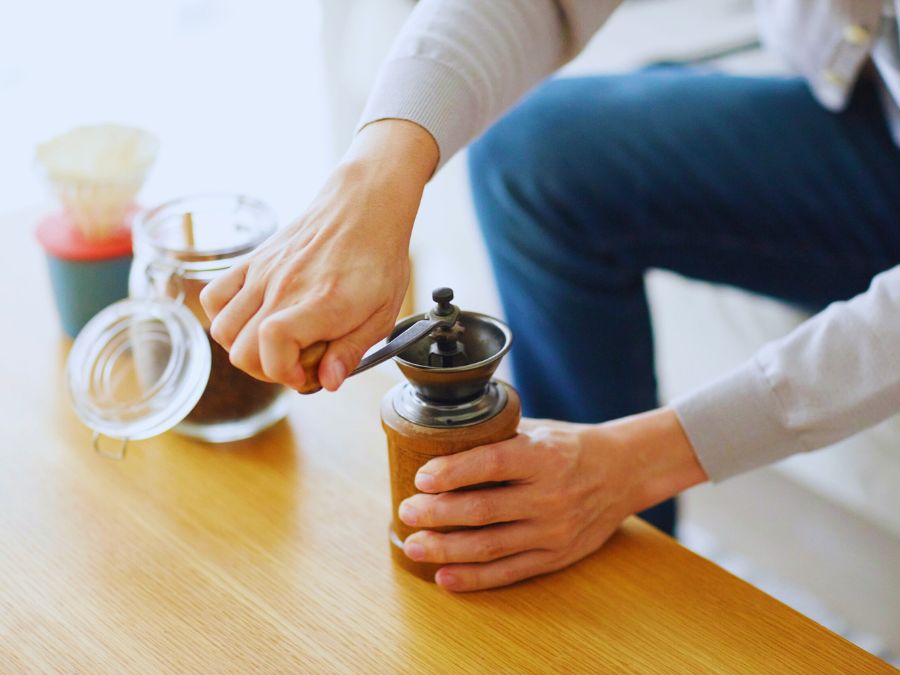
3. Burr Grinder (Consistent Grind Size)
Grind consistency directly affects extraction.
Recommended Grind
- Medium-coarse
- Similar to coarse sand
- Uniform particle size
Why Burr Grinders Are Essential
Blade grinders create fines and boulders, leading to uneven extraction. This causes:
- False acidity
- Masked sweetness
- Exaggerated bitterness
Consistency ensures flavor differences come from the coffee not the grind.
4. Precision Scale
Every gram matters in cupping.
Standard Ratio
- 8.25–9g coffee per 150ml water
Scale Requirements
- Accuracy to 0.1g
- Stable platform
- Fast response time
Eyeballing doses introduces unnecessary variables and compromises comparison.
5. Gooseneck Kettle with Temperature Control
Water temperature controls extraction speed.
Ideal Water Temperature
- 93–96°C (199–205°F)
Why Temperature Control Matters
Too cool:
- Under-extracted
- Sour and thin
Too hot:
- Harsh bitterness
- Masked nuances
A temperature-controlled kettle ensures every sample receives equal heat energy.
Supporting Tools That Improve Accuracy
6. Timer
Time controls every stage of cupping.
Key Timing Points
- Bloom and crust formation
- Crust breaking (4 minutes)
- Skimming (after breaking)
- Tasting window (8–15 minutes)
Using intuition instead of a timer introduces bias and inconsistency.
7. Water Quality Tools
Water shapes flavor more than most people realize.
Ideal Water Profile (General Guidelines)
- Total dissolved solids (TDS): 75–150 ppm
- Neutral pH
- No chlorine or odors
Tools Used
- Filter systems
- TDS meters
- Mineral packets (if needed)
Bad water produces flat or distorted cups even with great coffee.
8. Rinse Cups and Spittoons
Professional cupping is about evaluation, not consumption.
Why They Matter
- Prevent flavor carryover
- Reduce caffeine intake
- Maintain palate clarity
Each cupper should have:
- One rinse cup
- One spittoon
This maintains accuracy across long sessions.
9. Sample Trays and Labeling Tools
Mislabeling ruins cupping integrity.
Best Practices
- Clear sample codes
- Neutral labels
- Consistent layout
Blind cupping requires strict organization to avoid bias.
10. Cupping Forms or Digital Scoring Tools
Documentation is part of the process.
What Should Be Recorded
- Aroma
- Flavor
- Acidity
- Body
- Aftertaste
- Balance
- Defects
Using standardized forms ensures results can be compared over time and across teams.

Optional Tools for Advanced Cupping
Refractometer
Used to measure extraction strength (TDS). Helpful for training and calibration, not mandatory for daily cupping.
Color-Correct Lighting
Neutral lighting prevents visual bias when assessing roast color and clarity.
Aroma Kits
Useful for training sensory memory and aligning vocabulary among cuppers.
How Professionals Set Up a Cupping Table
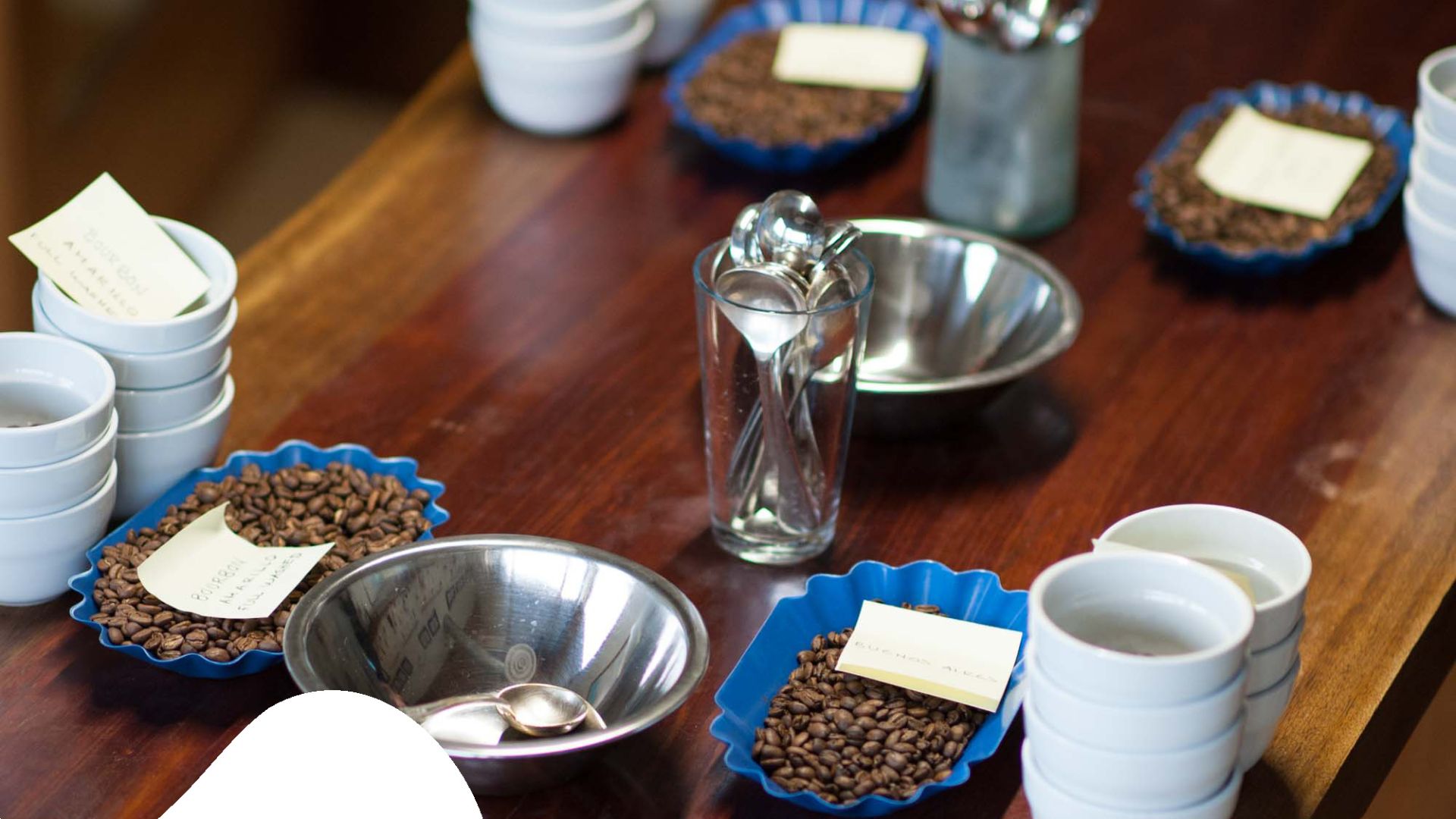
A standard professional setup includes:
- 5 cups per sample
- Identical bowls and spoons
- Uniform grind and dose
- One kettle, one grinder
- Clean, odor-free environment
Noise, strong smells, and distractions are eliminated to protect sensory focus.
Common Tool Mistakes That Ruin Cupping Results
Avoid these errors:
- Mixing bowl sizes
- Using household spoons
- Grinding samples at different times
- Brewing without scales
- Ignoring water quality
Each mistake introduces variables that mask real coffee characteristics.
Conclusion
Effective coffee cupping depends on discipline, not intuition.
The right tools remove variables, protect consistency, and reveal the coffee’s true character.
You do not need expensive equipment but you do need accurate, standardized, and repeatable tools. When tools are correct, sensory skills improve faster, decisions become clearer, and coffee quality evaluation becomes reliable.
Great cupping starts before tasting.
It starts with preparation.
FAQ: Essential Coffee Cupping Tools
What is the most important tool in coffee cupping?
Cupping bowls and spoons are equally critical because they directly affect aroma release and tasting consistency.
Can I cup coffee without a scale?
You can, but results will be inconsistent. Precision dosing is essential for accurate comparison.
Is a special grinder required for cupping?
A burr grinder is mandatory. Blade grinders are unsuitable due to uneven particle size.
How many cups per sample are recommended?
Professionals use 3–5 cups per sample to identify defects and inconsistencies.
Do home roasters need professional cupping tools?
Yes, even basic standardized tools dramatically improve learning and roast evaluation accuracy.
Also read other articles :
- Climate Impact on Coffee Prices : A Roaster’s Perspective
- Specialty Green Coffee Beans: What Makes Them Specialty Grade
- Coffee Packaging Design: Psychology of Color for Impulse Buying
Follow us for practical coffee insights, brewing guides, and roastery education.