The Evolution of Espresso: Modern Machine Innovation & AI Trends
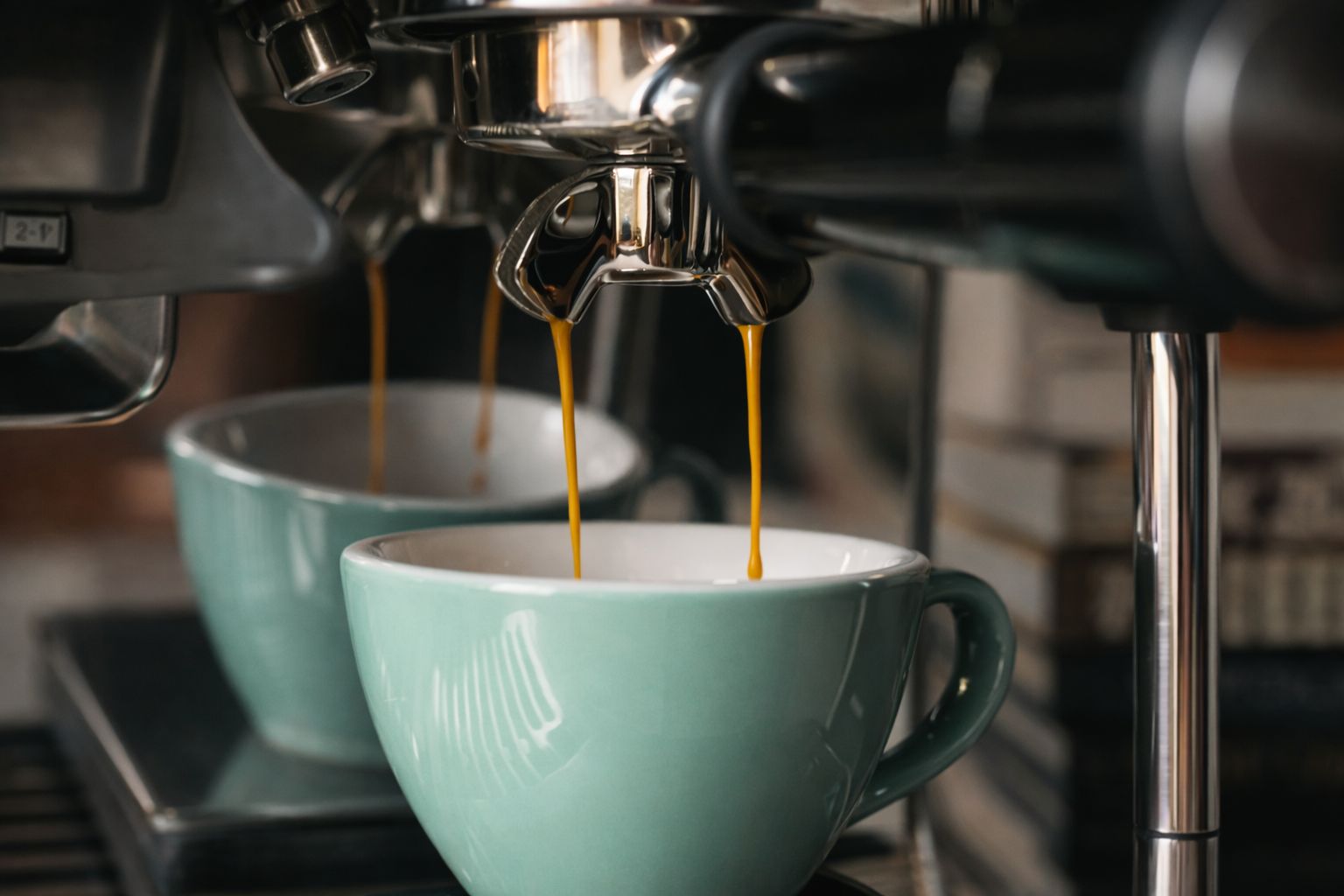
Espresso machine technology has reached a pivotal moment. The rapid convergence of professional and home markets is driving an unprecedented wave of innovation, characterized by a demand for greater precision, modularity, and user-focused design. Yet, this evolution goes deeper than just new hardware; it represents a philosophical shift. While modern tools offer unmatched control and consistency, their true value lies in how they support – rather than supplant – the barista’s craft. This analysis explores the technological breakthroughs reshaping espresso machines, the market forces fueling their adoption, and the future role of AI and automation in coffee extraction.
Core Advancements in Machine Design
Recent hardware developments signal a move away from focusing solely on internal mechanics toward creating a holistic, barista-centric ecosystem. This new approach treats ergonomics, modularity, and granular control not as separate features, but as essential pillars for achieving superior coffee quality and workflow efficiency.
Prioritizing the Barista : Ergonomics
Manufacturers now understand that a barista’s performance depends heavily on comfort and ease of use. Consequently, ergonomic design has moved to the forefront. Features once seen as luxuries – such as adjustable drip trays, responsive touchscreens, and 360-degree steam wands – are now standard. These upgrades are engineered to minimize physical strain and streamline operations during busy shifts, allowing baristas to dedicate more energy to the art of coffee preparation.
Flexibility by Design: The Modular Approach
The shift toward modular design is dismantling the concept of the traditional, monolithic espresso machine. This trend involves developing standalone units dedicated to specific tasks, such as brewing espresso or steaming milk. Separating these functions gives cafés and roasters incredible flexibility to configure their workspaces, enabling custom setups tailored to specific spatial constraints or workflow needs.
The Pursuit of Consistency : Thermal Stability
For top-tier coffee, thermal stability is non-negotiable. Even slight temperature fluctuations during brewing can compromise flavor and quality. To combat this, modern machines now standardly feature advanced systems like PID (Proportional-Integral-Derivative) controllers and precision heating elements. These technologies work together to maintain exact temperatures, creating the stable environment needed for high-quality, repeatable shots.
Unlocking Potential : Customizing Extraction
Empowering baristas to manipulate extraction variables is a key focus of current innovation. Today’s machines offer a suite of tools to fine-tune recipes, including programmable pre-infusion, adjustable pressure profiles, and precise flow control. These capabilities encourage experimentation, allowing users to dial in exact parameters for specific beans and unlock their full flavor potential.
Market Convergence : Bridging Professional and Home Espresso
A major force driving innovation is the rapid consolidation of the coffee equipment sector. This trend is blurring the boundary between commercial gear and high-end home appliances, making professional-grade features more accessible than ever.
Strategic Acquisitions and the ‘Prosumer’ Rise
Global appliance giants like De’Longhi and Breville have recently acquired premium manufacturers such as La Marzocco and Lelit. This signals a clear pivot toward the burgeoning “prosumer” market – passionate home enthusiasts demanding café-quality results. This convergence accelerates the “trickle-down” of commercial technology into residential kitchens, cultivating a sophisticated user base that manufacturers must now cater to.
The COVID-19 pandemic acted as a catalyst for this shift. With café routines interrupted, consumers invested in advanced home setups. This habit has persisted, reinforced by rising coffee shop prices, solidifying demand for home machines that rival commercial performance.
Innovation Through Collaboration
While consolidation can sometimes stifle competition, well-managed mergers can actually boost innovation. Resource-rich parent companies often empower smaller R&D teams, with benefits rippling across the industry. With better access to capital and scale, specialized brands can invest more aggressively in research.
A prime example occurred in late 2023, when La Marzocco and Marco Beverage Systems released intellectual property rights for their integrated scale technology. This decision allows other companies to adopt the tech, fostering a more collaborative ecosystem. As large manufacturing groups evolve into “one-stop shops” for various price points, they can leverage shared expertise to fast-track innovation across their entire product lines.
The Next Frontier : AI and Automation
As the industry advances beyond semi-automatic machines, automation and artificial intelligence (AI) are emerging as the next frontiers. With the rapid growth of tech-forward coffee chains like Blank Street and Luckin, sophisticated super-automatic machines – once found mostly in hotels – are gaining traction in specialty coffee.
Automation in the Modern Café
The rise of automation has sparked debate about whether it devalues the barista’s role. The emerging consensus is that for automation to add value, it must be supportive, not substitutive. Its goal should be to augment human work. Effective examples in high-volume settings include automatic milk dispensing, smart cleaning cycles, and auto-adjusting grinders. These tools enhance consistency and speed, freeing baristas to focus on hospitality and quality control.
The Potential of AI and IoT
AI is set to redefine machine intelligence, especially when integrated with the Internet of Things (IoT). When designed with the human element in mind, these systems can vastly improve extraction consistency and operational efficiency. Key capabilities include:
-
Learning user preferences and identifying specific coffees.
-
Real-time optimization of extraction parameters.
-
Predictive maintenance to prevent breakdowns.
-
Live data analysis to improve workflow.
These are no longer futuristic concepts; they are being actively developed and deployed in real-world settings.
The Proving Ground : The Value of Trade Shows
In a digital age, physical trade shows remain indispensable. They bridge the gap between spec sheets and reality, offering a crucial venue for hands-on testing and expert validation.
Flavia Morelli, Group Exhibition Manager at IEG (organizer of SIGEP World), outlines the key benefits for industry professionals:
-
Hands-on Interaction: Direct engagement with machines provides insights that technical documents cannot match.
-
Direct Dialogue: Conversations with manufacturers reveal the intent and application behind new technology.
-
Efficient Comparison: Evaluating multiple brands in one location streamlines purchasing decisions.
-
Community Hub: Designated areas foster networking and knowledge exchange. The Coffee Arena sets benchmarks for training and competition, while the Micro Roaster Village encourages dialogue between producers and stakeholders.
Moreover, coffee competitions at these events push equipment to the limit. In these high-stakes environments, features like pressure profiling and thermal stability are stress-tested, offering a transparent view of a machine’s true capabilities.
Conclusion
Espresso machine innovation ,The evolution of the espresso machine reflects a broader drive toward precision, control, and accessibility. From ergonomic, modular designs to intelligent automation, these innovations provide powerful tools to enhance consistency and refine workflow.
However, as technology advances, the human element remains paramount. The future of espresso lies not in replacing the barista’s skill, but in elevating it. The most enduring innovations will always be those that serve the user, ensuring that technology supports the craft rather than superseding it.
Read other articles :
-
World of Coffee Dubai 2026 | Specialty Coffee Trade Show
-
What’s Driving Coffee Market Uncertainty in 2026 | Industry Analysis
-
Class Action Challenges Ethical Sourcing & Decaf Chemicals
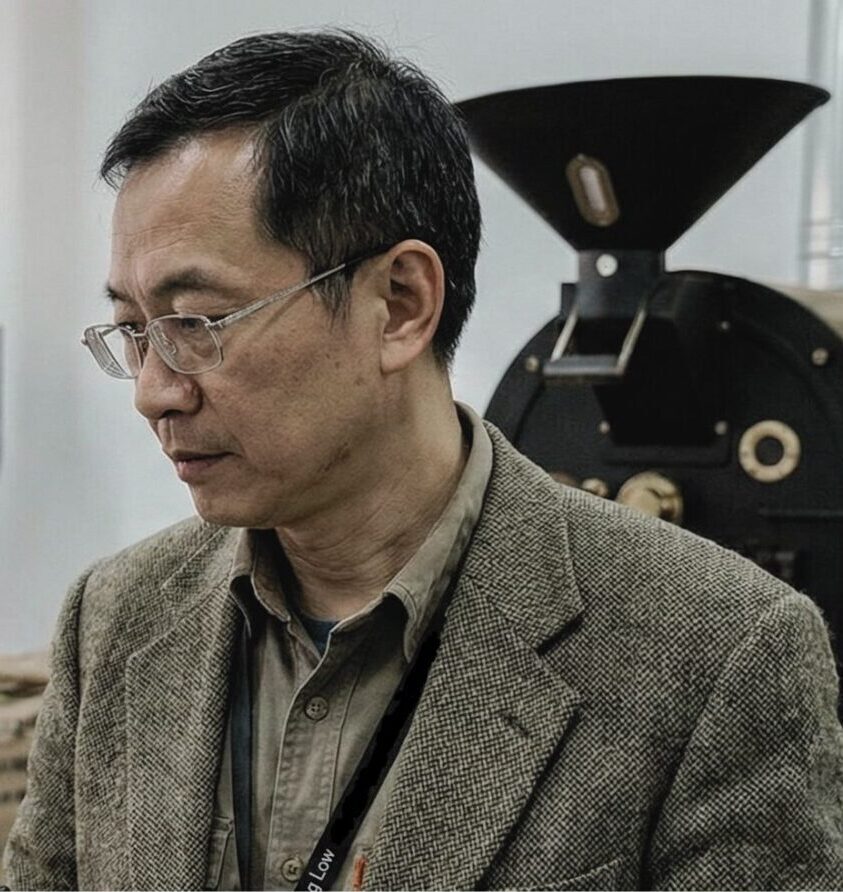
Wong young low is a coffee industry journalist from China who has been writing since 2007, focusing on specialty coffee, roasting, and market trends. He writes based on field experience and supply chain observations – helping roasters and coffee businesses make more accurate and realistic decisions.