How to Start Roasting Coffee: A Practical Guide for Beginners
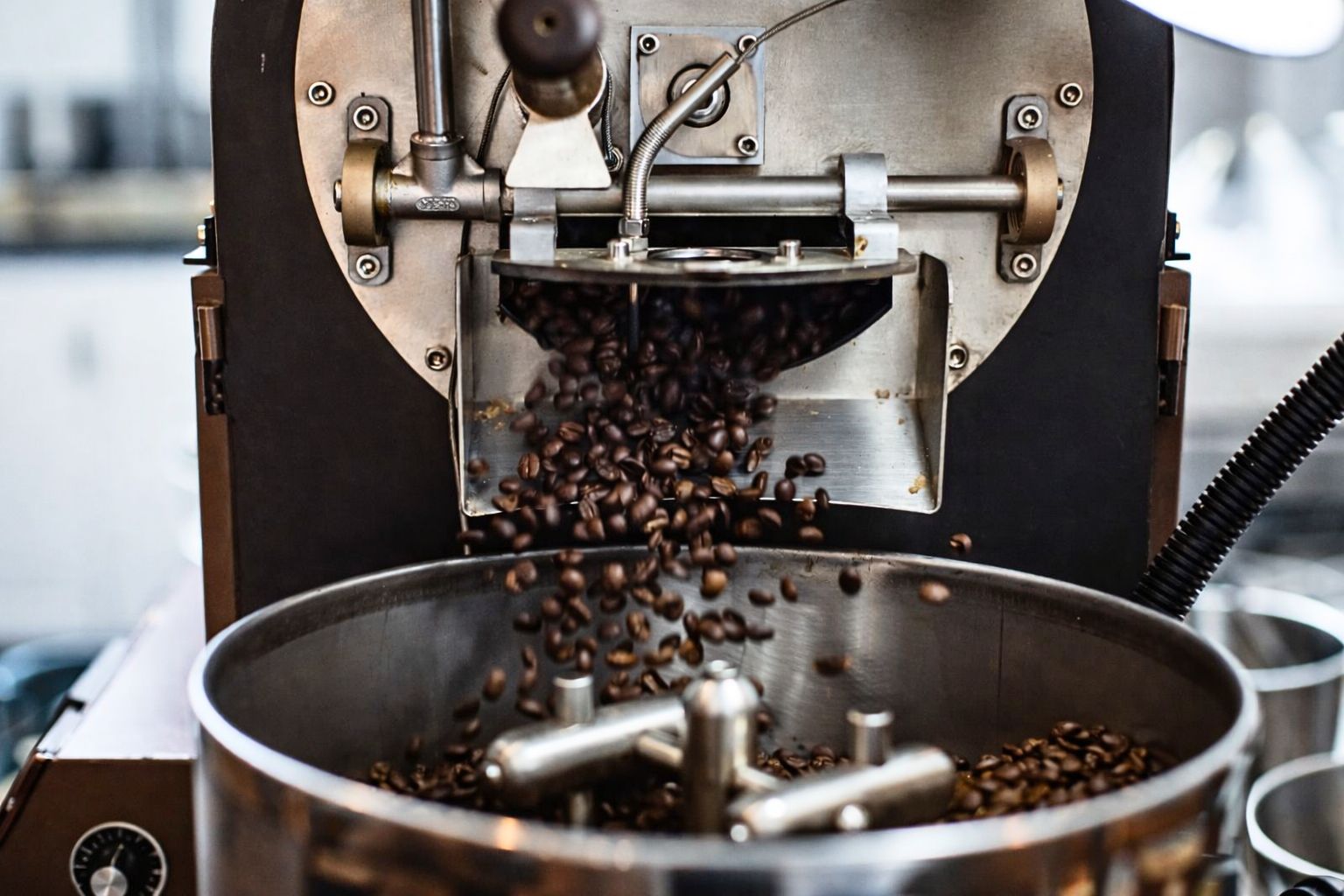
Starting to roast coffee can feel deceptively simple. Heat green beans until they turn brown, cool them down, and you have roasted coffee. In practice, beginners quickly discover that small changes in heat, timing, or batch size can dramatically alter flavor, consistency, and even safety. This usually becomes obvious only after a few frustrating roasts, not on the first try.
This guide is written for people who are serious about learning to roast whether for personal use, small-batch sales, or as a foundation for a future roastery. It focuses on practical decisions, common mistakes, and realistic expectations, rather than romantic ideas about roasting.
Why People Get Into Coffee Roasting and Where They Go Wrong
Most beginners start roasting for one of three reasons:
- Curiosity about flavor and freshness
- Cost control compared to buying roasted coffee
- Long-term interest in selling coffee
The mistake is assuming these goals require the same approach. Roasting for yourself at home and roasting with commercial intent are very different activities. Equipment, quality control, and learning curves scale quickly. This assumption shows up immediately in equipment choices and unrealistic expectations.
Before buying anything, be clear about your intention:
- Personal learning and consumption → keep it simple and small
- Testing market interest → focus on repeatability and food safety
- Professional ambition → start learning systems, not just roasting curves
Understanding What Roasting Actually Does
Roasting is not just “cooking” coffee. It is a controlled chemical transformation.
During roasting:
- Water evaporates
- Sugars caramelize
- Acids break down or transform
- Aromatic compounds form and degrade
- Structural changes affect solubility and extraction
The key insight for beginners: you are managing trade-offs, not chasing perfection. Every roast choice improves some attributes while sacrificing others.
Choosing Your First Roasting Method
1. Pan or Stove-Top Roasting (Learning Only)
Pros
- Cheapest entry point
- Immediate feedback (sight, sound, smell)
- Teaches basic roast stages
Cons
- Extremely inconsistent
- Hard to control heat
- Not scalable or repeatable
Best used as a learning exercise, not a long-term solution.
2. Air Popper or DIY Electric Methods
Pros
- Better heat transfer
- Faster roasting
- Inexpensive
Cons
- Small batch sizes
- Limited control
- Safety risks if modified poorly
This is often where people learn roast timing and first crack behavior. It is also where many people discover how quickly things can go wrong if heat is not controlled.
3. Entry-Level Home Roasters
Pros
- Designed for coffee
- Built-in safety features
- More consistent results
Cons
- Higher cost
- Limited batch size
- Less transparency than manual methods
If you plan to roast regularly, this is usually the best beginner investment.
Choosing Green Coffee as a Beginner
Not all green coffee is beginner-friendly.
What to Look For
- Washed coffees
- Medium density
- Clean, stable origins
- Crop year coffees (not aged stock)
What to Avoid Early On
- Experimental fermentations
- Very high-density light roasts
- Old or poorly stored green coffee
As a beginner, your goal is learning roast control, not showcasing rare flavors. Stable coffees make feedback clearer.
Understanding Roast Stages (Without Overcomplicating)
Beginners should focus on three core phases, not dozens of metrics.
1. Drying Phase
- Beans go from green to yellow
- Moisture removal
- Too fast → uneven roasts
- Too slow → baked flavors
2. Browning Phase
- Maillard reactions
- Sweetness and body develop
- Aroma complexity forms
3. Development Phase (After First Crack)
- Flavor balance is set here
- Too short → sour, hollow cups
- Too long → flat, bitter cups
Most beginner problems come from poor development control, not earlier phases.
Learning to Use First Crack Properly
First crack is not the finish line. It is a reference point. Most beginners only understand this after consistently ending up with sour or hollow cups.
Common beginner errors:
- Ending the roast at first crack
- Ignoring how aggressive first crack is
- Not adjusting heat after first crack starts
As a starting point:
- Aim for 15–25% of total roast time after first crack
- Adjust based on taste, not rules
Cooling Is Part of Roasting (Not an Afterthought)
Poor cooling ruins good roasts.
Cooling should:
- Be fast (under 3–4 minutes)
- Stop all further development
- Remove chaff and excess heat
Leaving coffee hot too long leads to baked or dull flavors, especially in small batches.
Resting and Degassing: When to Taste Your Coffee
Freshly roasted coffee is not ready immediately.
General guidelines:
- Espresso: 7–14 days rest
- Filter: 3–7 days rest
- Darker roasts degas faster than light roasts
Beginners often judge roasts too early and misdiagnose problems that disappear with rest.
How to Evaluate Your Roasts Without Overthinking
You do not need advanced cupping labs to learn.
Focus on:
- Consistency between batches
- Balance (sweetness, acidity, bitterness)
- Clean finish (no harshness)
Keep notes:
- Roast time
- End temperature (if available)
- Development time
- Taste impressions
Patterns matter more than individual results.
Common Beginner Problems and What They Usually Mean
- Sour coffee → underdevelopment or too-light roast
- Flat coffee → baked roast or too long development
- Bitter coffee → excessive heat late in roast
- Inconsistent results → batch size or heat instability
Most issues are solved by slowing down changes, not adding complexity. This is harder than it sounds, especially when every bad roast feels like a failure.
Food Safety and Realistic Scaling
If you plan to sell coffee:
- Learn local food regulations early
- Understand traceability and labeling
- Separate hobby roasting from commercial intent
Many beginners underestimate how quickly responsibilities increase once money is involved.
A Grounded Way to Think About Progress
Good roasting is not about talent. It is about feedback loops.
Start small.
Repeat often.
Change one variable at a time.
Taste carefully.
Document honestly.
Roasting skill develops through controlled repetition, not heroic experimentation.
A Final Thought
Learning to roast coffee is less about mastering machines and more about learning restraint. The best beginner roasters are not the ones chasing complexity, but the ones building consistency.
If you can roast the same coffee the same way, week after week, you are already ahead of most beginners and well on your way to becoming a serious roaster.
Read other articles :
- How Smart Sourcing Keeps Flavor Consistent Without Killing Roastery Margins
- Why Coffee Trade Margins Are Won at the Handoffs, Not at the Farm
- How Coffee Trade Really Works – and Where Value Is Won or Los
Follow us on :