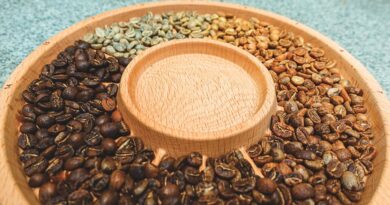
Light vs Medium vs Dark Roast: Which Coffee Tastes Best?
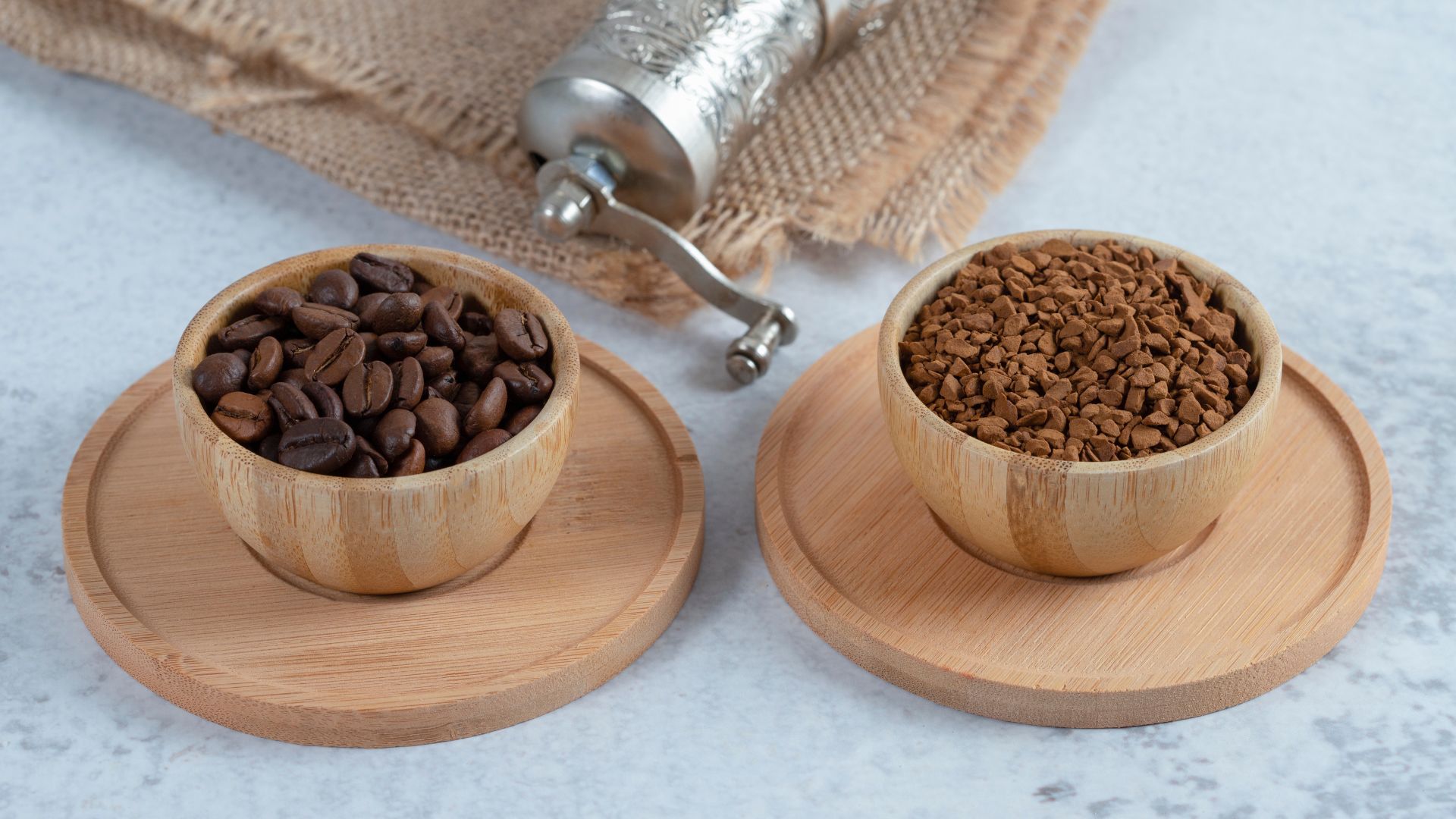
Few questions spark more debate among coffee lovers than this one: light, medium, or dark roast which actually delivers the best flavor? Walk into any café or browse coffee shelves, and roast level is often the first thing people notice. Yet, behind those simple labels lies a complex interaction between chemistry, craftsmanship, and personal taste.
Roast level does far more than change color. It determines how acidity feels on the palate, how sweetness develops, and whether bitterness dominates or complements the cup. The same coffee bean can taste bright and floral, smooth and balanced, or bold and smoky depending entirely on how it is roasted.
Understanding coffee roast levels helps explain why two coffees from the same origin can feel worlds apart. It also clarifies a common misconception: darker does not mean stronger, and lighter does not mean weak. Flavor is shaped long before brewing begins, inside the roastery, where heat and timing decide which characteristics shine and which fade.
Understanding Coffee Roast Levels
Coffee roasting is a controlled process that transforms green coffee beans into aromatic, flavorful coffee. Roast levels are generally categorized into three groups: light, medium, and dark. Each represents a different point in the roasting timeline and produces distinct flavor outcomes.
Roasters determine roast level by monitoring temperature, time, and key physical changes such as first crack and second crack. These moments signal chemical reactions that influence acidity, sweetness, and bitterness.
The question is not which roast is objectively best but which roast best expresses flavor based on the bean and the drinker’s preference.
Light Roast Coffee: Bright, Complex, and Expressive
Light roast coffee is typically roasted shortly after the first crack, preserving much of the bean’s original character.
Flavor Profile of Light Roast
- High acidity
- Floral, fruity, or citrus notes
- Clear origin characteristics
- Light body
Because light roasting minimizes caramelization, it allows the coffee’s natural sugars and acids to remain more prominent. This makes it especially popular among specialty coffee roasteries that aim to showcase terroir and varietal differences.
Light roasts are often associated with Ethiopian, Kenyan, and high-altitude Central American coffees, where brightness and aromatic complexity are prized.
However, light roast coffee can feel sharp or sour if brewed incorrectly or roasted without sufficient development. Precision matters more here than at darker levels.
Medium Roast Coffee: Balance and Sweetness
Medium roast coffee sits at the center of the roast spectrum and is widely considered the most versatile.
Flavor Profile of Medium Roast
- Balanced acidity
- Caramel and chocolate sweetness
- Rounded body
- Clean, approachable finish
Medium roasting allows sugars to caramelize while still preserving some origin character. This balance makes it a favorite among both specialty and commercial roasteries.
Many cafés choose medium roast because it performs well across brewing methods from espresso to filter coffee. It is also the roast level most often recommended to newcomers exploring specialty coffee.
According to industry insights summarized by World Coffee Research, medium roasts often deliver the broadest appeal without sacrificing complexity.
Dark Roast Coffee: Bold, Intense, and Familiar
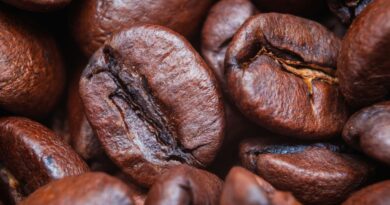
Dark roast coffee is roasted beyond second crack, where oils begin to surface and roast flavors dominate.
Flavor Profile of Dark Roast
- Low acidity
- Bitter-sweet, smoky notes
- Heavy body
- Toasted or charred finish
At this stage, origin characteristics are largely overshadowed by roasting flavors. This is why dark roasts tend to taste similar regardless of origin.
Dark roast remains popular in many markets because of its boldness and consistency. It pairs well with milk-based drinks and appeals to drinkers who prefer intensity over nuance.
Contrary to popular belief, dark roast coffee does not contain more caffeine. In fact, lighter roasts often retain slightly higher caffeine levels by weight.
How Roast Level Changes Coffee Flavor Chemistry
Roast level controls how chemical reactions unfold inside the bean.
Key Chemical Changes During Roasting
- Acids break down as roasting progresses
- Sugars caramelize, increasing sweetness
- Aromatic compounds form and then degrade
- Bitterness increases at darker stages
Light roasts emphasize acids and aromatics. Medium roasts balance sweetness and body. Dark roasts suppress acidity and amplify bitterness.
This explains why “best flavor” is subjective. Flavor preference is closely tied to how much acidity, sweetness, and bitterness a drinker enjoys.
Which Roast Level Is Best for Different Brewing Methods?
Roast level also interacts with brewing style.
Best Roast Levels by Brewing Method
- Pour-over / Filter: Light to medium roast
- Espresso: Medium to medium-dark roast
- French Press: Medium to dark roast
- Cold Brew: Medium to dark roast
Light roasts benefit from precise extraction, while darker roasts are more forgiving. Choosing the right roast for the brewing method often matters more than choosing the roast itself.
👉 [Also read: Related articles on this website]
So, Which Roast Brings Out the Best Flavor?
There is no universal answer. The best roast depends on:
- Bean origin and processing
- Roasting skill
- Brewing method
- Personal taste preference
Specialty coffee professionals often lean toward light or medium roasts for complexity and clarity. Mass-market consumers may prefer darker roasts for familiarity and boldness.
The key takeaway is this: flavor is not about roast darkness alone. It is about how well the roast level matches the bean’s potential.
Conclusion
Light, medium, and dark roasts each bring out different aspects of coffee flavor. Light roasts highlight origin and acidity, medium roasts offer balance and sweetness, and dark roasts deliver bold, familiar intensity.
Rather than asking which roast is best, a better question is which roast best fits the moment, the brew, and the palate. Understanding roast levels transforms coffee from a routine habit into an informed experience one shaped by intention long before the first sip.
FAQ (Schema-Ready)
Q1: Which coffee roast has the best flavor?
The best flavor depends on preference. Light roasts are bright, medium roasts are balanced, and dark roasts are bold.
Q2: Is dark roast coffee stronger than light roast?
No. Dark roast tastes stronger but usually contains slightly less caffeine than light roast.
Q3: Which roast level is best for beginners?
Medium roast is often recommended because it offers balance without overwhelming acidity or bitterness.