Cost-Control Tips That Actually Work in Daily Roastery Operations
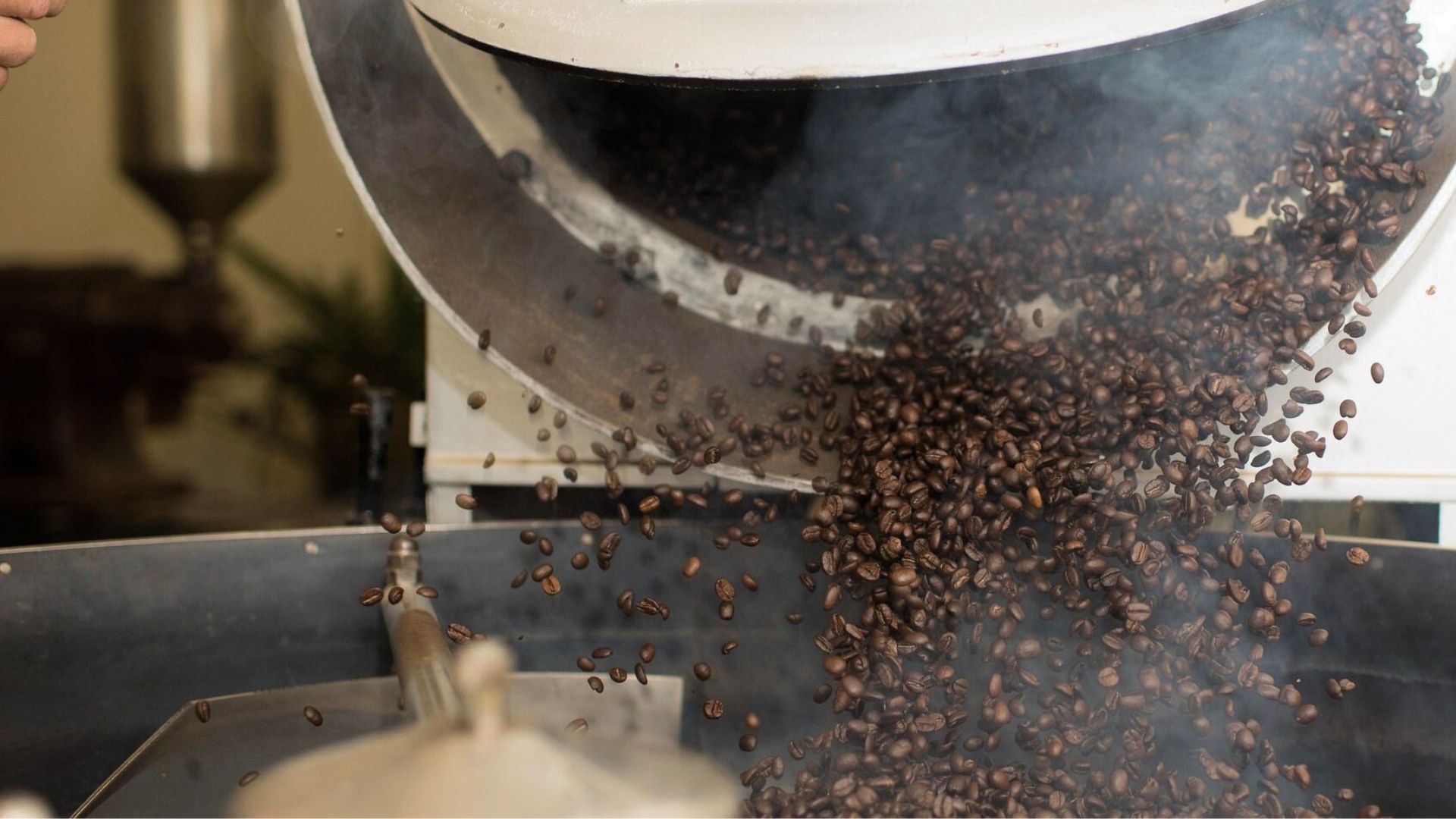
Cost control in coffee roasting is often discussed in broad terms energy prices, green coffee markets, labour shortages. What receives less attention is how daily operational choices quietly determine whether those external pressures translate into margin erosion or manageable strain. In most roasteries, costs are not lost in dramatic failures but in small, repeatable inefficiencies that become normalized over time.
The roasteries that manage costs most effectively do not rely on aggressive cuts or short-term fixes. They focus on systems that reduce waste without compromising throughput, consistency, or quality. The following approaches reflect what tends to work in day-to-day operations not in theory, but on the roast floor.
Start With Variability, Not Unit Costs
Many cost-control efforts begin by scrutinizing prices: green coffee, packaging, utilities. A more productive starting point is variability. Inconsistent outcomes are expensive, regardless of input prices.
Batch-to-batch inconsistency leads to re-roasts, corrective adjustments, extra cupping, and increased operator intervention. Each of these adds labour time and energy use without increasing sellable volume. Reducing variability through clearer roast parameters, tighter intake standards, and better operator alignment often lowers costs before any price negotiation takes place.
In practice, this means defining what “acceptable” looks like and intervening earlier when processes drift, rather than absorbing small failures repeatedly.
Read also : Why Some Roasteries Always Have Customers: 5 Strategies That Work
Treat Scheduling as a Cost Lever
Production schedules are rarely discussed as a cost-control tool, yet they shape energy use, labour efficiency, and equipment wear.
Poor sequencing creates idle time: machines held at temperature, staff waiting for decisions, packaging lines paused. Over a week, these gaps add up. Roasteries that batch similar profiles together, minimize changeovers, and protect uninterrupted production windows typically see lower per-kilo costs without changing volume.
The trade-off is flexibility. Last-minute custom runs or frequent SKU switches increase responsiveness but also cost. Successful roasteries decide deliberately where flexibility is commercially justified and where it is not.
Reduce Corrective Work, Not Headcount
Labour is one of the most sensitive cost areas, and often the most mishandled. Cutting hours or staff may reduce expenses temporarily, but it frequently increases errors, rework, and turnover raising costs elsewhere.
A more durable approach is reducing corrective labour. Time spent fixing problems adjusting profiles mid-roast, re-labeling, re-packaging, handling customer complaints is pure overhead. Clear documentation, predictable workflows, and defined decision thresholds reduce the need for constant intervention.
This is particularly relevant during staff transitions. New operators tend to roast defensively, extending phases or applying extra heat “just to be safe.” Without guidance, these habits become embedded and expensive.
Align Green Coffee Decisions With Production Reality
Green coffee choices are often optimized for quality or price, but not always for production fit. Coffees with wide moisture variation, aging issues, or inconsistent density require more adjustment on the roast floor. That adjustment costs time, energy, and attention.
Roasteries that align buying decisions with their production model rather than treating sourcing and roasting as separate domains often see indirect cost savings. Fewer trial batches, fewer emergency profile changes, and more predictable throughput reduce both labour and energy consumption.
This does not mean avoiding complexity entirely. It means deciding where complexity belongs, and ensuring the operation can support it.
Read aslo : 3 Ways to Fix Under-Roasted Coffee Without Wasting the Batch
Standardize Decisions, Not Outcomes
One common misconception is that standardization limits quality. In reality, standardizing decision points rather than flavour outcomes often protects both quality and cost.
Defined charge temperature ranges, airflow timing, acceptable rate-of-rise windows, and clear drop criteria reduce operator hesitation and reactive adjustments. The coffee can still express origin and process differences, but the path to that expression becomes more efficient.
Roasteries that rely solely on intuition often pay for it twice: once in energy and labour, and again in inconsistency.
Track Costs Where They Change, Not Where They Settle
Monthly cost reports confirm trends, but they rarely explain them. The most useful cost insights come from tracking change: cost per kilo by shift, by product group, or before and after scheduling adjustments.
Even basic tracking can reveal patterns energy spikes tied to certain SKUs, labour overruns linked to specific days, or waste correlated with staffing changes. The goal is not perfect accounting, but visibility into cause and effect.
Without that visibility, cost-control efforts tend to target symptoms rather than sources.
Avoid Cutting What Builds Trust
Finally, effective cost control requires knowing what not to cut. Reducing quality control, communication, or maintenance often saves money briefly and costs more later.
Customers tolerate price increases and occasional issues far more readily than unpredictability. The roasteries that maintain demand under pressure are usually those that protect reliability, even when margins tighten.
Cost control works best when it removes friction the customer never valued, rather than features they depend on.
Read aslo : Unique Coffee Menu Name Ideas That Attract Customers
A Practical Takeaway
Cost control in daily roastery operations is less about austerity and more about precision. The most resilient operations reduce waste by aligning people, processes, and decisions around predictable outcomes.
A useful question for decision-makers is not “where can we cut?” but “where are we paying repeatedly for the same uncertainty?” The answer often points to changes that improve margins and stability at the same time and do so without sacrificing the cup.
Join the newsletter
Follow us on :