The Ultimate Moka Pot Technique: How to Control Heat and Eliminate Bitterness
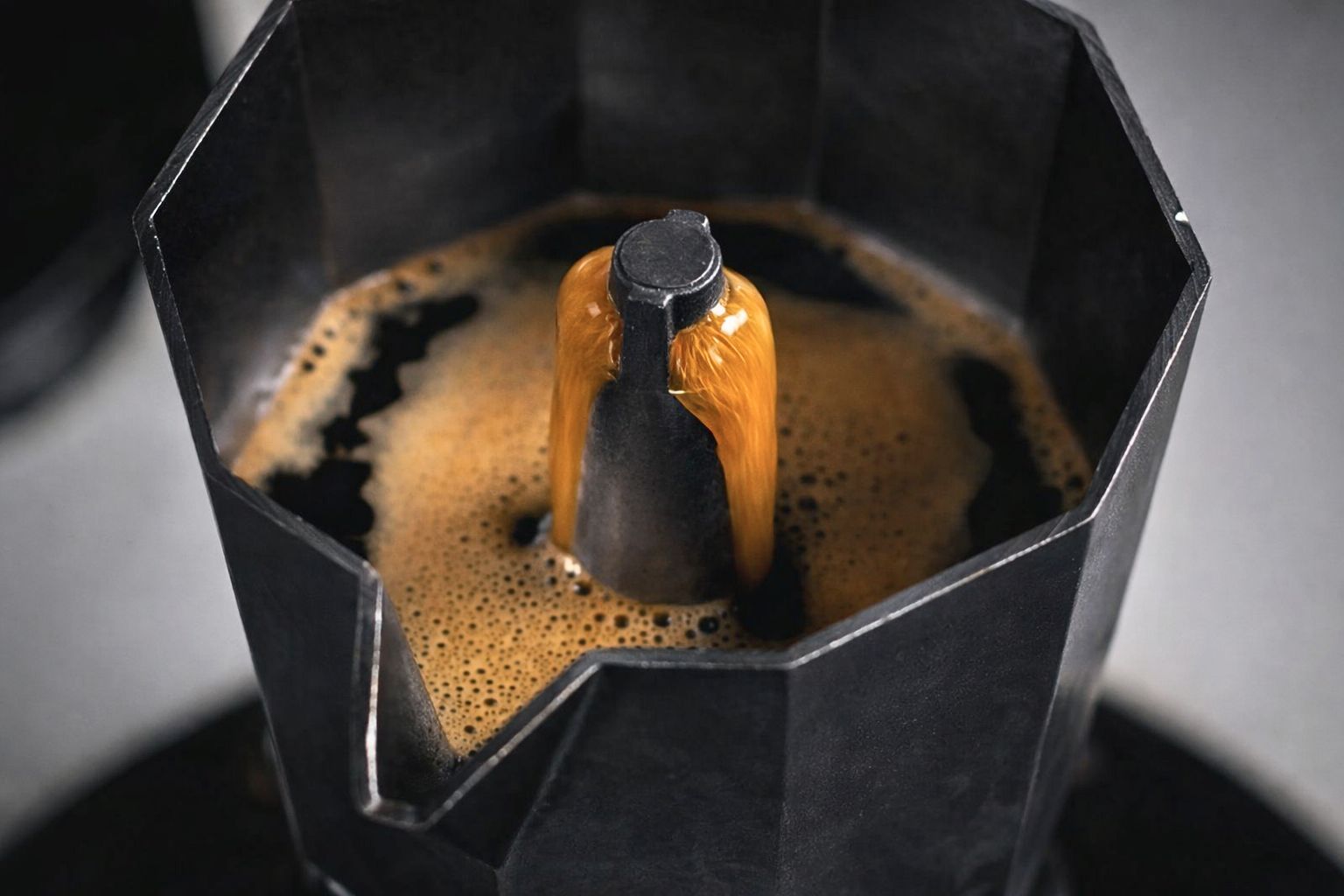
The moka pot is often blamed for producing bitter, harsh coffee. In practice, bitterness is not inherent to the brewer. It is the result of excessive heat and uncontrolled pressure during extraction. Mastering the moka pot is ultimately about heat management applying just enough energy to start brewing, then preventing temperature escalation once extraction begins.
How the Moka Pot Actually Brews
A moka pot operates through a simple three-chamber system: a boiler at the base, a coffee basket in the middle, and a collection chamber on top. As heat is applied, steam pressure and expanding air in the boiler push hot water upward through the coffee bed and into the upper chamber.
The core problem arises when heat continues to increase after brewing starts. Excess pressure forces overheated water through the coffee, leading to over-extraction and bitterness. The goal is not maximum pressure, but controlled pressure.
The Four Constants That Improve Every Brew
Start With Pre-Boiled Water
Filling the boiler with freshly boiled (but slightly cooled) water places the system immediately in the low-90s °C range. This shortens brew time, stabilizes temperature, and reduces bitterness compared to starting with cold water.
Fill the Basket Completely
Moka pots are designed around an approximate 10:1 water-to-coffee ratio by weight when the basket is filled level and the boiler is filled to just below the safety valve. Because basket filling is volumetric, exact ratios vary by roast density, but a full basket is essential for balanced extraction.
Prepare the Coffee Bed Thoughtfully
Light tapping to settle grounds improves flow consistency. Optional distribution with a needle tool can reduce channeling. For larger pots, adding an AeroPress paper filter above the grounds improves filtration and cup clarity.
Stop Before Sputtering Begins
The sputtering phase marks the passage of uncondensed steam through the coffee. This is the primary source of harsh bitterness. Brewing should be stopped immediately when sputtering starts, ideally by removing the pot from heat and cooling the base under running water.
Heat Control Is the Real Technique
The defining skill of moka pot brewing is what happens after liquid first appears.
Once coffee begins flowing, heat should be drastically reduced or removed entirely. Residual heat in the burner or adapter plate is usually sufficient to complete extraction. If flow accelerates, the pot should be moved off heat. If flow stalls, brief reapplication of gentle heat is acceptable.
This “temperature surfing” approach allows extraction to continue without driving temperatures higher.
Adjustments Based on Coffee and Pot Size
Light Roasts
Lighter roasts require finer grinds and maximum boiler fill to allow sufficient extraction before sputtering. Target roughly two-thirds of boiler water extracted. These brews often benefit from dilution or milk.
Dark Roasts
Darker roasts extract more easily. Using less boiler water (two-thirds to three-quarters full) and stopping earlier produces a richer, more concentrated cup with less bitterness.
Pot Size Matters
Small pots heat rapidly and require immediate heat removal when brewing begins. Larger pots contain more thermal mass and tolerate slightly longer heat application before reduction.
Measuring Success
Well-executed moka pot brews typically yield about two-thirds of the water placed in the boiler. The resulting coffee should taste sweet, clean, and balanced, with body appropriate to the roast level and minimal harshness.
When yields are low or bitterness dominates, the cause is almost always excessive heat or overly fine grinding not the moka pot itself.
A Practical Perspective
The moka pot is not a forgiving brewer. It demands attention, timing, and restraint. Yet when heat is managed deliberately, it is capable of producing remarkably clean and expressive coffee even with lighter specialty roasts.
The transformation comes from understanding a simple principle: once brewing starts, heat becomes the enemy. Control it, and the moka pot stops being a bitter coffee maker and becomes a precise, capable brewing tool.
Read other articles :
- The Beginner’s Guide to Latte Art: 5 Practical Steps
- 7 Common Coffee Drinking Mistakes That Ruin Flavor
- Espresso Machine Technology 2025: What Cafés Need to Know
Follow us on :