What Really Happens Inside a Coffee Roastery and Why It Matters
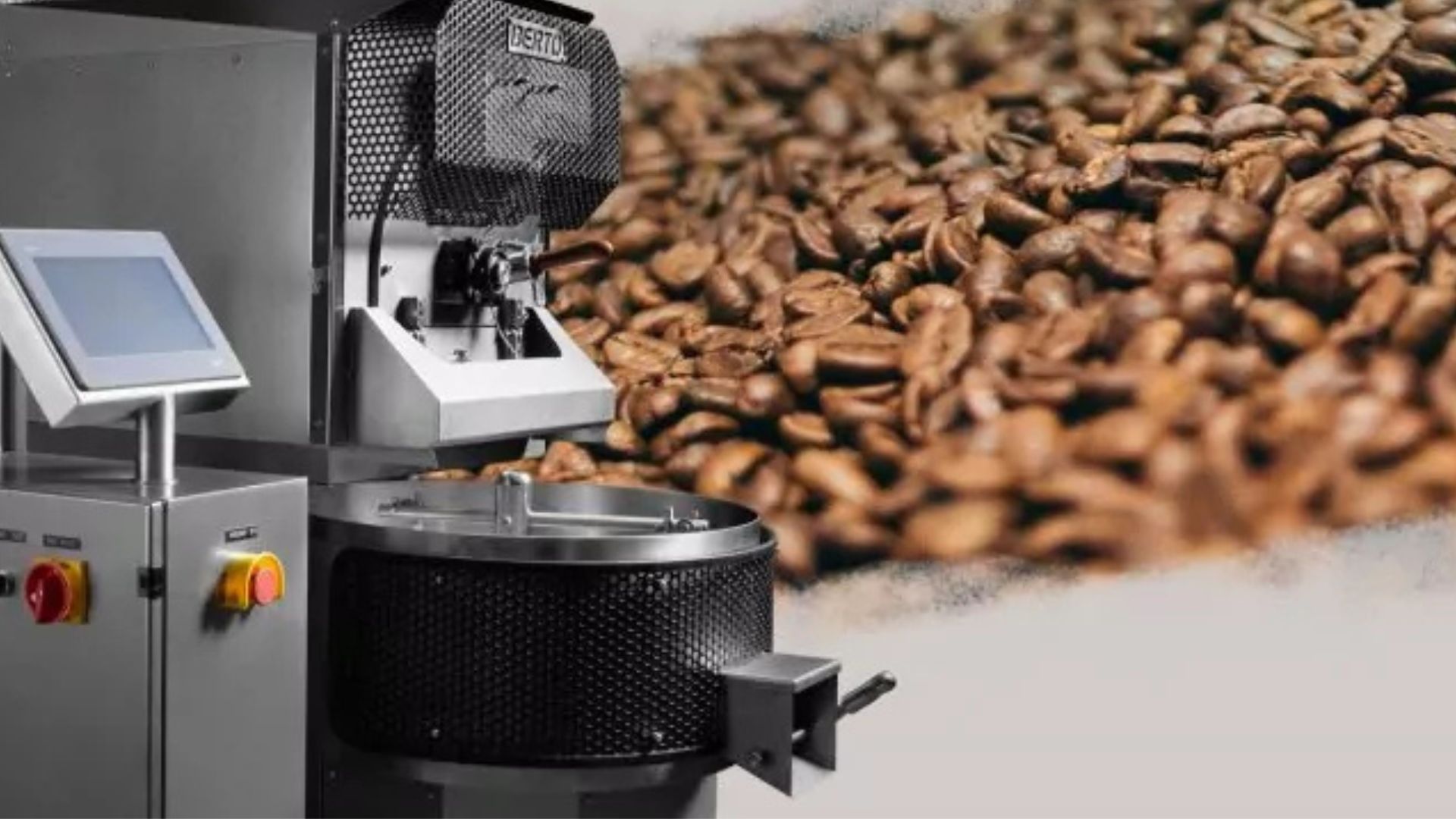
For many coffee drinkers, the journey of coffee seems to begin at the café counter or inside a freshly opened bag of beans. What happens before that moment often remains invisible. Yet, inside a coffee roastery, decisions are made that shape aroma, flavor, body, and even how coffee feels on the palate.
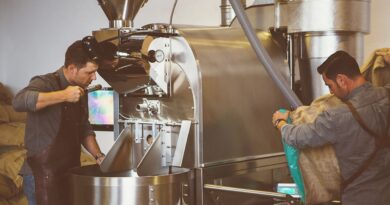
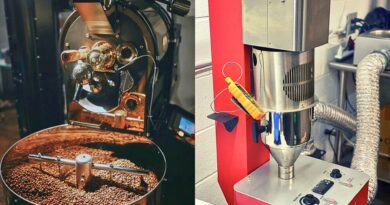
A coffee roastery is not just a place where beans are heated and packaged. It is where raw agricultural products are transformed into something expressive and complex. Temperature curves, timing, airflow, and the roaster’s judgment all interact in ways that can elevate—or ruin a coffee’s potential.
Understanding the coffee roastery process offers more than technical insight. It explains why two coffees from the same origin can taste entirely different, why freshness matters, and why roasting is often described as both a science and an art. For anyone who cares about what ends up in the cup, what happens inside the roastery truly matters.
From Green Coffee Beans to Roastery Selection
Before roasting begins, coffee exists as green beans—dense, grassy-smelling seeds with little resemblance to the flavors people associate with brewed coffee.
Green Coffee Evaluation
Roasteries carefully assess green coffee based on:
- Origin and altitude
- Processing method (washed, natural, honey)
- Moisture content and density
- Crop year and storage condition
Professional roasteries often conduct green coffee grading and cupping sessions to determine how a bean might behave under heat. According to World Coffee Research, varietal genetics and processing methods significantly influence how flavor develops during roasting.
This stage determines whether a coffee is suitable for light, medium, or dark roasting and sets the foundation for everything that follows.
The Coffee Roasting Process: Heat, Time, and Control
Once roasting begins, chemistry takes over. Heat transforms green coffee through a series of physical and chemical reactions.
Key Stages of Coffee Roasting
- Drying Phase – Moisture evaporates as beans turn pale yellow
- Maillard Reaction – Sugars and amino acids create aroma and color
- First Crack – Beans expand and release steam, marking light roast territory
- Development Phase – Flavor balance is refined
- Second Crack (optional) – Oils surface, leading to darker roasts
Each stage demands precise control. Small adjustments in roasting temperature or airflow can drastically change acidity, sweetness, and bitterness.
According to Wikipedia’s coffee roasting overview, the roasting curve is one of the most critical tools roasters use to ensure consistency and flavor clarity.
Roast Profiles and Flavor Development
A roast profile is essentially the blueprint of a coffee’s transformation. It maps time, temperature, and rate of rise throughout the roast.
How Roast Profiles Shape Flavor
- Light Roast: Bright acidity, origin clarity, floral or fruity notes
- Medium Roast: Balanced sweetness, caramelization, rounded body
- Dark Roast: Smoky, bitter, bold, reduced acidity
Specialty coffee roasteries focus on highlighting origin characteristics rather than masking them with excessive roast flavors. This approach aligns with insights from Specialty Coffee Association (SCA) research on flavor transparency.
The skill lies in knowing when to stop roasting not when the beans look dark enough, but when flavor development reaches its peak.
The Human Factor Inside a Coffee Roastery
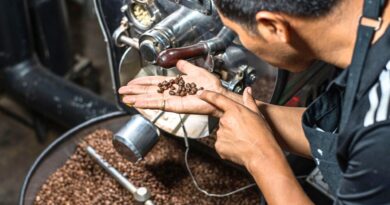
Despite advanced roasting machines and software, roasting remains deeply human.
- Experienced roasters rely on:
- Sensory cues (smell, sound, visual changes)
- Real-time adjustments
Historical roast data
Roasting software can track numbers, but it cannot taste coffee. Human judgment bridges that gap.
Many respected roasteries emphasize that consistency is not about repeating numbers it’s about repeating flavor. This philosophy is widely echoed in interviews with leading roasters published by outlets such as Reuters when covering the growth of specialty coffee culture.
Cooling, Degassing, and Quality Control
Roasting does not end when heat stops.
Post-Roast Processes
- Rapid cooling prevents overdevelopment
- Degassing allows carbon dioxide to escape over several days
- Resting time improves brew stability and flavor clarity
Freshly roasted coffee is then cupped again for quality control. If it fails to meet standards, professional roasteries may discard or reprofile future batches.
This rigorous evaluation ensures that what reaches consumers reflects the roastery’s intended flavor profile.
Why the Coffee Roastery Matters More Than You Think
Many people focus on origin or brewing method, but roasting often has a greater impact on taste than either.
Why Roastery Quality Changes Everything
- Same beans, different roasteries = different flavors
- Roasting determines balance, not brewing alone
- Poor roasting cannot be fixed at the café level
This explains why coffee from a skilled specialty roastery tastes cleaner, sweeter, and more expressive than mass-produced alternatives.
For readers interested in deeper insights,
Conclusion
Inside a coffee roastery, coffee becomes more than a commodity. It becomes a crafted product shaped by knowledge, experience, and intention. Every decision from green bean selection to roast profile and cooling leaves a permanent mark on flavor.
Understanding what happens behind roastery doors changes how coffee is appreciated. It highlights why freshness matters, why roasting skill is irreplaceable, and why great coffee is rarely accidental.
In the end, the roastery is where coffee’s true character is created—long before it reaches the cup.