What Makes Coffee Taste Sour? 3 Factors That Control Acidity
If your coffee tastes sour, something went wrong.
And no it’s probably not the beans.
Sourness is one of the most common complaints in coffee, especially with home brewers and specialty coffee drinkers. Many assume sour coffee means “too acidic” or “bad beans.” In reality, sour coffee is almost always a brewing issue, not a quality problem.
Understanding why coffee tastes sour comes down to three controllable factors. Fix these, and sourness usually disappears replaced by sweetness, balance, and clarity.
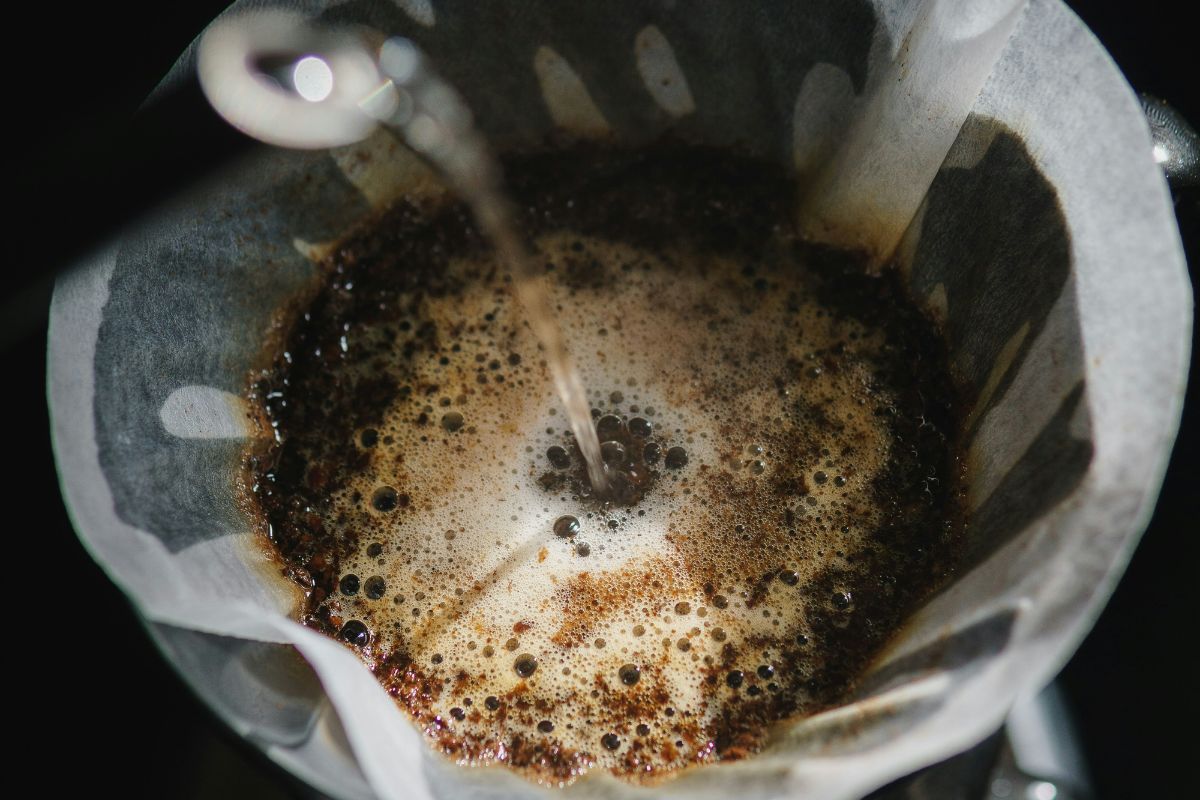
1. Under-Extraction: The #1 Cause of Sour Coffee
This is the most common reason coffee tastes sour.
During brewing, flavors extract in stages:
- First: sharp acids
- Then: sweetness
- Last: bitterness
If brewing stops too early, only acids make it into the cup leaving sweetness behind. The result is coffee that tastes thin, sharp, and sour.
Why under-extraction happens:
- Grind size too coarse
- Brew time too short
- Water not hot enough
- Not enough contact time between water and coffee
How to fix it:
- Grind slightly finer
- Increase brew time
- Use water around 92–96°C
- Ensure even saturation
If your coffee tastes sour, extraction didn’t go far enough.
Read Also: Green Coffee Bean Density and Its Impact on Roast Profiles
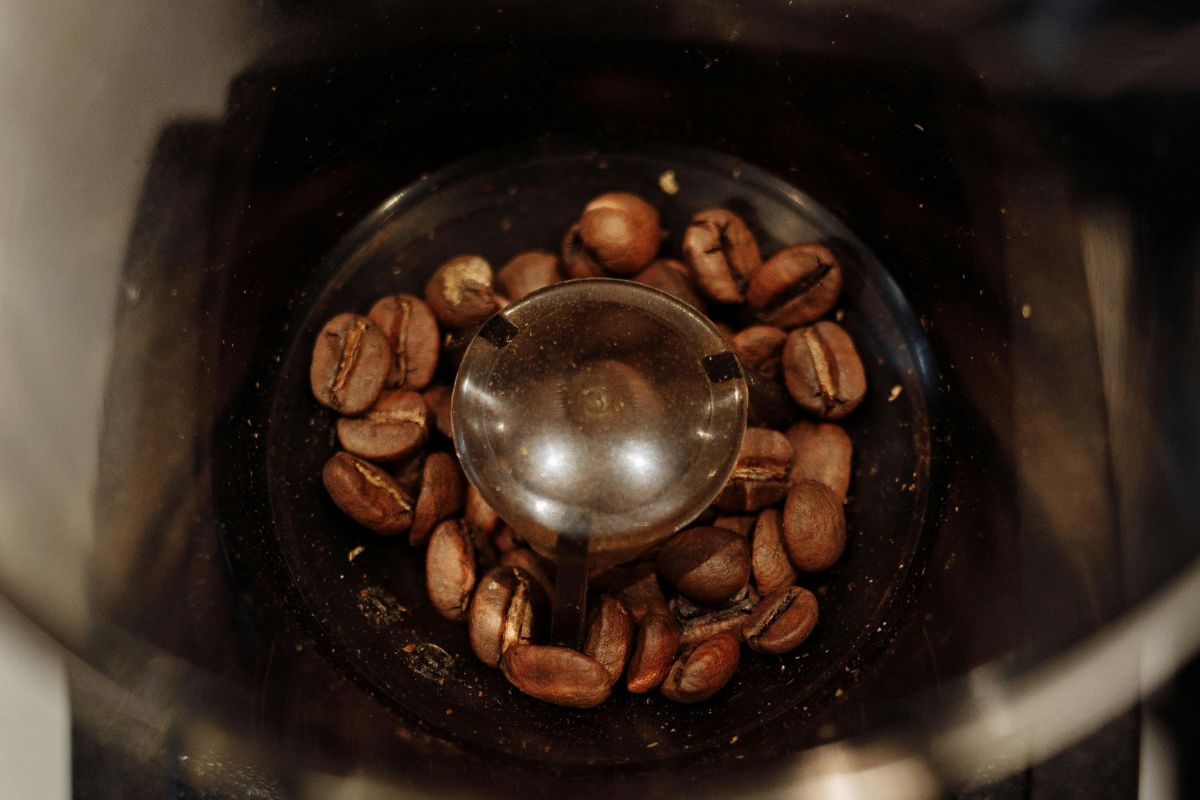
2. Grind Size & Brew Ratio Imbalance
Grind size controls how fast water flows through coffee. When grind size and brew ratio don’t match, acidity becomes exaggerated.
Common mistakes:
- Coarse grind + short brew = sour cup
- Too much coffee + too little water
- Fast-flowing espresso shots (under 20 seconds)
Even great beans will taste sour if water doesn’t spend enough time extracting flavor.
How to fix it:
- Match grind size to brewing method
- Stick to proven ratios (e.g. 1:15–1:17 for filter)
- Adjust one variable at a time
Balance beats experimentation when chasing sweetness.
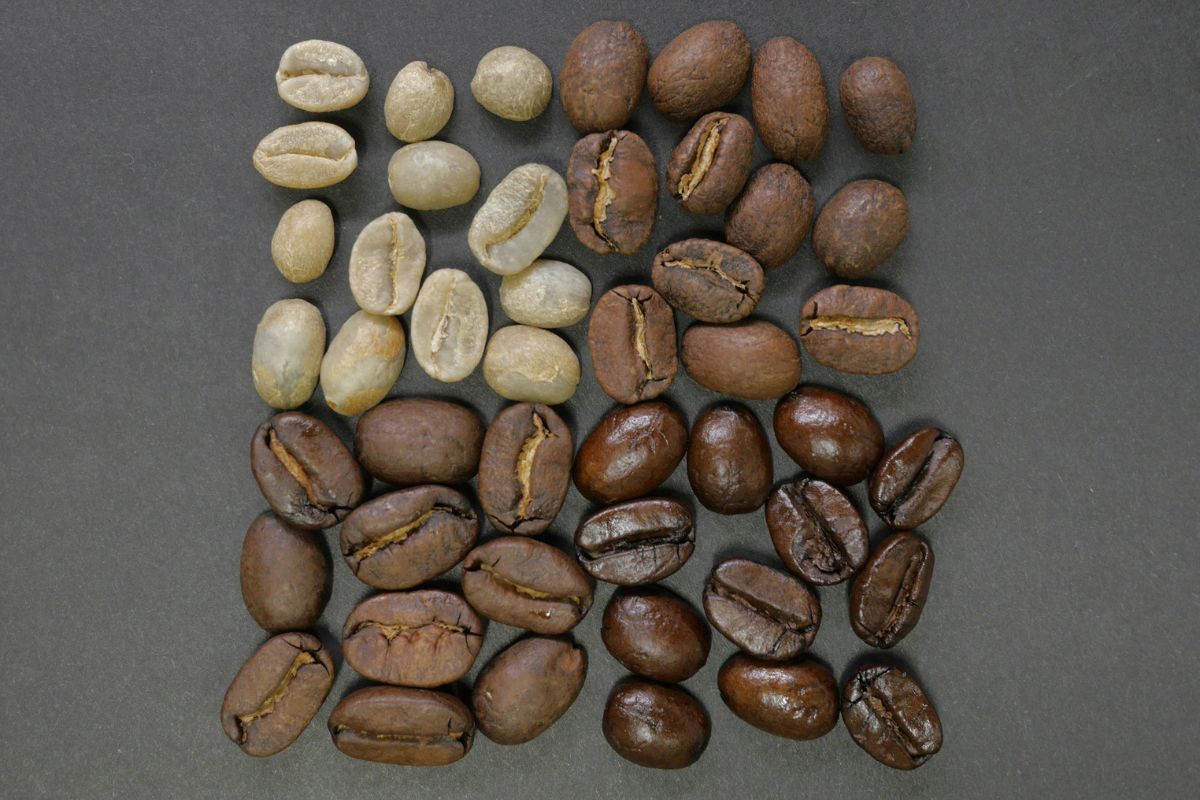
3. Bean Origin & Roast Level (Often Misunderstood)
Yes coffee origin matters.
But it’s usually over-blamed.
Light-roasted coffees naturally contain more perceived acidity, especially coffees from:
- Ethiopia
- Kenya
- Rwanda
However, acidity ≠ sourness.
High-quality acidity should feel bright, juicy, or crisp not sharp or unpleasant. When brewing is correct, even high-acid coffees taste balanced.
Read Also : Light vs Medium vs Dark Roast: Which Coffee Tastes Best?
When beans actually matter:
- Extremely light roasts brewed incorrectly → sour
- Very fresh coffee (under 7–10 days post-roast)
- Low-solubility beans needing longer extraction
How to fix it:
- Let beans rest properly
- Extend brew time for light roasts
- Don’t confuse acidity with sourness
Good coffee can be acidic without tasting sour.
Acidity vs Sourness: The Key Difference
This distinction matters.
- Acidity = pleasant brightness, structure, clarity
- Sourness = imbalance, sharpness, under-extraction
Most people dislike sour coffee not because it’s acidic but because it’s incomplete.
How to Quickly Diagnose Sour Coffee
Ask yourself:
- Did the brew run too fast?
- Was the grind coarse?
- Was the water hot enough?
If the answer is yes to any of these, you’ve found the problem.
Final Thoughts
Sour coffee isn’t a mystery and it’s rarely a defect.
In most cases, it’s a sign that extraction stopped too early. Fixing grind size, brew time, and temperature almost always solves the problem. Once those are dialed in, acidity becomes something enjoyable not something to avoid.
Great coffee isn’t about removing acidity.
It’s about controlling it.
Join the newsletter
Follow us on :
INSTAGRAM, TWITTER, LINKEDIN, YOUTUBE.
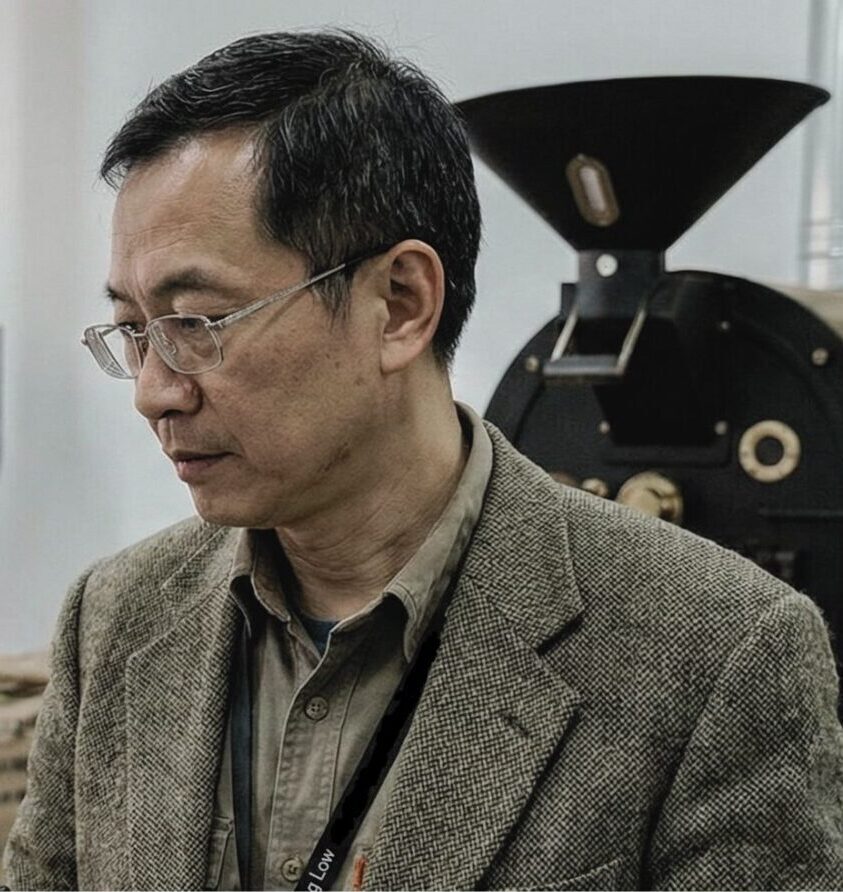
Wong young low is a coffee industry journalist from China who has been writing since 2007, focusing on specialty coffee, roasting, and market trends. He writes based on field experience and supply chain observations – helping roasters and coffee businesses make more accurate and realistic decisions.