Specialty Green Coffee Beans: What Makes Them Specialty Grade
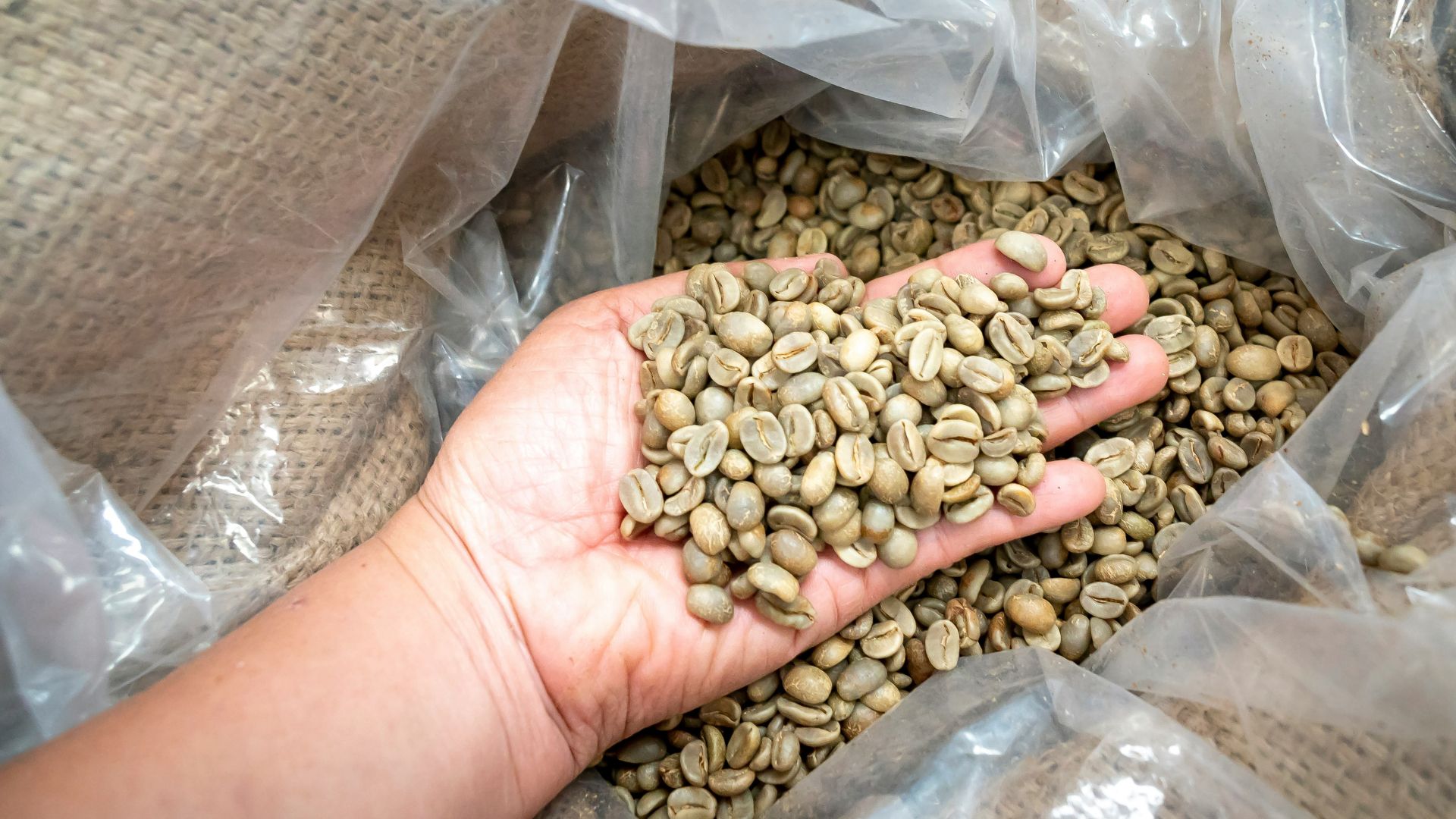
Not all green coffee beans are created equal.
Two coffees can come from the same country, the same farm, even the same harvest yet one is labeled specialty while the other is not.
For roasters, buyers, and serious coffee businesses, this distinction matters. Specialty grade green coffee beans command higher prices, stricter standards, and higher expectations. But the term “specialty” is often misunderstood, misused, or treated like marketing language.
This article breaks it down clearly and practically. You’ll learn what truly makes green coffee beans specialty grade, how grading works, what standards are applied, and how to evaluate beans before they ever reach the roaster.
No hype. Just real criteria used by professionals.
What “Specialty Grade” Actually Means in Coffee
Specialty coffee is not a vibe, a flavor note, or a country of origin. It is a measurable quality classification.
The Official Standard
Green coffee beans are considered specialty grade when they:
- Meet strict physical quality standards
- Score 80 points or higher on a standardized cupping scale
- Have minimal to zero primary defects
- Show clean, distinctive flavor potential
This standard is globally recognized and commonly aligned with SCA (Specialty Coffee Association) protocols.
If a green coffee fails any one of these criteria, it does not qualify as specialty no matter how good the story sounds.
The Role of Green Coffee Evaluation
Green coffee is evaluated before roasting.
Once roasted, defects can be hidden. That’s why grading starts at the green stage.
- Evaluation focuses on two major areas:
- Physical quality (defects, size, uniformity)
Cup quality (flavor, aroma, balance, clarity)
Both must pass.
Physical Quality: Defects Decide Everything
Defect Classification in Green Coffee
Defects are categorized into primary and secondary defects.
Primary Defects (Deal Breakers)
These automatically disqualify coffee from specialty grade.
Examples:
- Full black beans
- Full sour beans
- Fungus damage
- Foreign matter (stones, wood, metal)
Specialty grade allows:
- Zero primary defects per 300g sample
Zero tolerance.
Secondary Defects (Limited Allowance)
These are less severe but still controlled tightly.
Examples:
- Broken beans
- Insect damage
- Partial sour
- Shells
Specialty grade allows:
Maximum 5 full secondary defect equivalents per 300g
Exceed that, and the coffee drops to commercial grade.
Why Defect Count Matters
Defects directly affect:
- Roast consistency
- Cup clarity
- Sweetness and balance
Even a few bad beans can flatten acidity or introduce off-flavors.
Bean Size, Density, and Uniformity
Specialty green coffee beans are not just defect-free they are consistent.
Screen Size
Larger, uniform beans roast more evenly
Specialty lots usually specify screen size (e.g. 16–18)
Density
High-density beans:
- Come from higher elevations
- Develop sugars more slowly
- Produce better acidity and complexity
Low-density beans roast unevenly and lack structure.
Uniformity Matters for Roasters
Uniform beans:
- Absorb heat evenly
- Reduce scorching and tipping
- Deliver predictable roast curves
Inconsistent lots are a red flag, even if defect count is low.
Moisture Content: The Hidden Quality Marker
Specialty green coffee must fall within a tight moisture range.
Ideal moisture content:
- 10%–12%
Below this:
- Beans age too fast
- Flavor fades quickly
Above this:
- Mold risk increases
- Storage becomes unstable
Professional buyers always test moisture before purchase.
Water Activity (Aw): The Next-Level Metric
Top-tier specialty buyers also look at water activity, not just moisture.
Ideal Aw range:
- 0.45–0.60
Water activity predicts:
- Shelf stability
- Flavor longevity
- Risk of microbial growth
This metric separates average specialty from truly premium lots.
Processing Method and Its Role in Specialty Grade
Processing does not automatically make coffee specialty but poor processing can disqualify it.
Clean Execution Is Mandatory
Whether coffee is:
- Washed
- Honey
- Natural
- Anaerobic
It must show:
- No fermentation defects
- No moldy or phenolic notes
- Clean structure in the cup
Experimental processes are allowed only when controlled and clean.
Cupping Score: The Final Gatekeeper
Physical quality gets coffee to the table.
Cupping decides if it’s specialty.
Specialty Threshold
- 80.00 points or higher on a 100-point scale
What Is Evaluated During Cupping
Cuppers assess:
- Aroma
- Flavor
- Aftertaste
- Acidity
- Body
- Balance
- Sweetness
- Clean cup
- Uniformity
- Overall impression
A coffee with defects in the cup regardless of green quality cannot be specialty.
Flavor Must Be Distinct, Not Just “Clean”
Specialty coffee is expected to show:
- Clear origin character
- Defined acidity
- Natural sweetness
- Flavor separation
“Drinkable” is not enough. Specialty coffee must be expressive.
Traceability and Transparency
While not a physical requirement, traceability is a strong indicator of specialty grade.
Specialty green coffee usually includes:
- Farm or cooperative name
- Producer details
- Altitude
- Variety
- Processing method
- Harvest year
Lack of transparency often signals commodity-grade sourcing.
Arabica vs Robusta: Specialty Rules
Arabica
- Most specialty coffee is Arabica
- Easier to score above 80
- Wider flavor range
Robusta (Fine Robusta)
Specialty Robusta exists but:
- Uses different protocols
- Requires exceptional processing
- Still rare and tightly controlled
Not all Arabica is specialty, and not all Robusta is excluded but standards differ.
Common Misconceptions About Specialty Green Coffee
“Single Origin Means Specialty”
False. Origin alone doesn’t guarantee quality.
“Expensive Coffee Is Always Specialty”
Wrong. Price can reflect scarcity, not grade.
“Organic = Specialty”
Not automatically. Organic is a farming certification, not a quality grade.
“Fancy Processing Makes Coffee Specialty”
Processing cannot fix poor raw material.
How Buyers and Roasters Verify Specialty Grade
Professionals do not rely on labels.
They:
- Inspect green samples
- Count defects manually
- Measure moisture and density
- Cup blind
- Cross-check documentation
If a supplier avoids samples or data, that’s a warning sign.
Conclusion
Specialty green coffee beans are not defined by marketing terms or origin stories. They are defined by measurable quality, strict defect control, and verified cup performance.
To qualify as specialty, green coffee must:
- Pass physical defect standards
- Show uniformity and proper moisture
- Cup at 80 points or higher
- Deliver clean, expressive flavor
Anything less is not specialty no matter how it’s branded.
For roasters and buyers, understanding this protects quality, reputation, and consistency. For anyone serious about coffee, specialty starts long before the roast.
FAQ: Specialty Green Coffee Beans
What score makes green coffee specialty grade?
A minimum cupping score of 80 out of 100 using standardized protocols.
How many defects are allowed in specialty green coffee?
Zero primary defects and no more than five secondary defect equivalents per 300g sample.
Is all Arabica coffee considered specialty?
No. Only Arabica that meets physical and cup quality standards qualifies.
Can naturally processed coffee be specialty grade?
Yes, if processing is clean and free from fermentation defects.
Why is moisture content important in green coffee?
Improper moisture affects shelf life, flavor stability, and mold risk, disqualifying coffee from specialty grade.
Also read:
- The Art of Coffee Roasting, Techniques and Tips for Better Flavor
- Coffee Cupping Analysis, How Professionals Evaluate Coffee
- 10 Things Every Coffee Roastery Should Know Before It’s Too Late
Don’t forget to subscribe