Roast Colour Confusion: Why It Still Misleads Roasters
Roast color is one of the most discussed and misunderstood signals in coffee roasting. Many roasters still rely on color as a primary indicator of roast level, quality, and consistency. Yet, despite years of experience, roast color continues to mislead even the most experienced professionals.
The problem isn’t that color is useless. The problem is that color is often taken as truth, when in fact, it’s just a symptom. When roasters misunderstand what color truly represents, they make poor decisions that impact flavor, consistency, and confidence in the product.
This article explains why roast color remains confusing, how that confusion creates real problems in production roasting, and what practical steps roasters can take to stop color from inaccurately determining their results.
Why Roast Colour Became a Crutch
Roast colour is easy to see, easy to compare, and easy to communicate. That makes it attractive.
Historically, before digital logging and modern sensors, colour was one of the only reference points available. Even today, it feels intuitive. Darker looks stronger. Lighter looks brighter. That visual logic feels reliable but it often isn’t.
Colour became a shortcut for:
- Roast level classification
- Quality control checks
- Batch comparison
- Communication with customers
The issue is that coffee chemistry does not move in straight visual lines.
What Roast Colour Actually Represents (And What It Doesn’t)
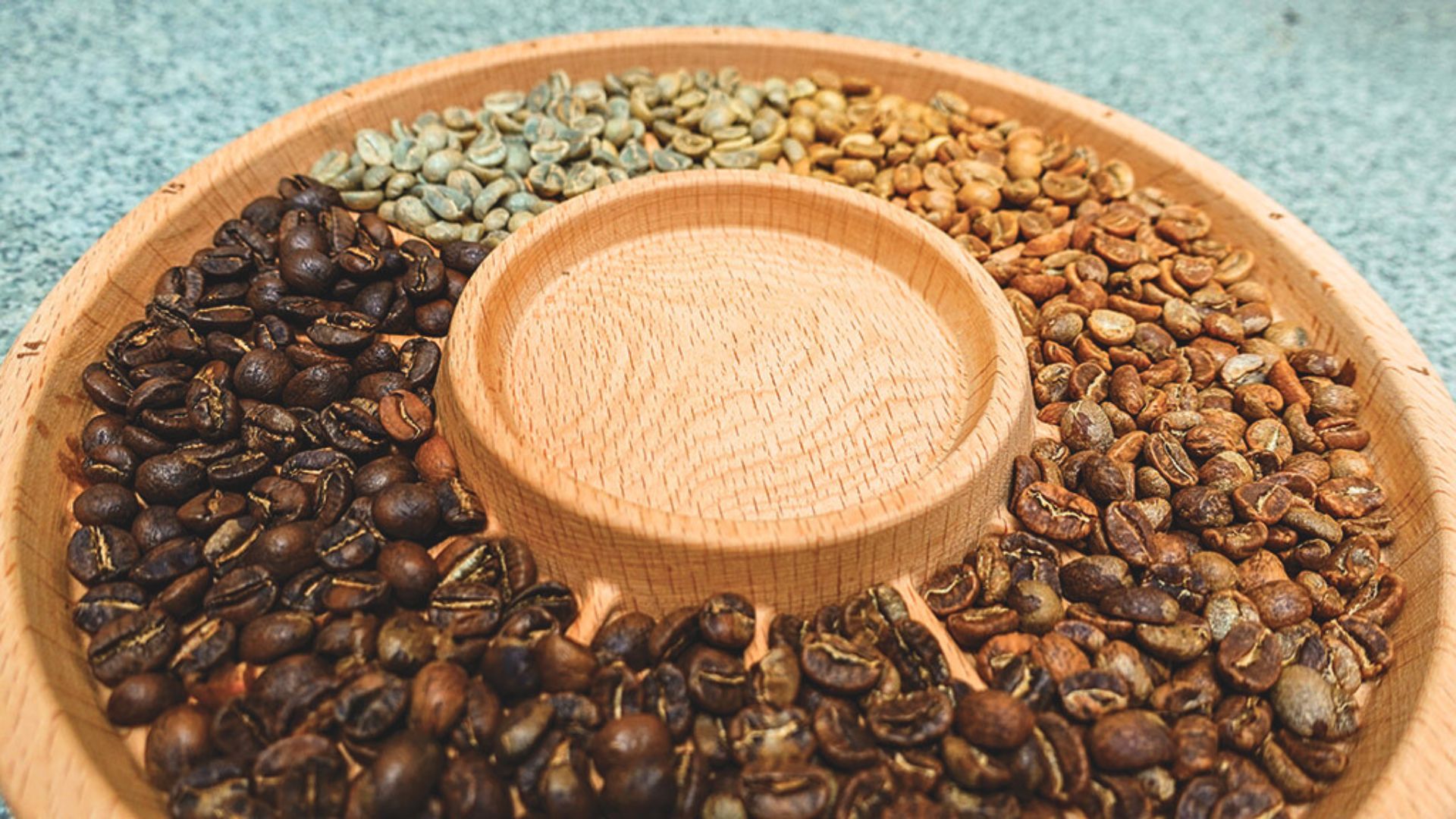
Roast colour reflects surface browning caused by Maillard reactions and caramelization. It tells you something about how far visible reactions have progressed, but very little about what happened internally.
Roast colour does not reliably indicate:
- Development quality
- Internal bean temperature history
- Rate of heat application
- Flavor balance
- Sweetness or acidity structure
Two coffees can share the same colour and taste completely different.
This disconnect is where confusion begins.
Why Colour-Based Judgement Breaks Down in Practice
Different Coffees Brown Differently
Origin, density, processing, and moisture content all affect browning speed.
Examples:
- Natural coffees brown faster than washed
- Low-density beans darken earlier
- Older green coffee colors unevenly
Judging roast level by colour alone ignores these variables.
Surface Colour Lies About Internal Development
A bean can look “perfect” on the outside while being underdeveloped inside or overdeveloped internally while appearing light.
This often happens when:
- Heat is applied too aggressively early
- Development time is shortened to preserve colour
- Airflow is mismanaged
Colour does not reveal internal structure. Flavor does.
Lighting and Environment Distort Perception
Roast colour is affected by:
- Room lighting
- Bean oil reflection
- Roast batch temperature
Two roasters looking at the same coffee under different conditions can describe different roast levels.
Visual judgement is inherently unstable.
The Real Problems Caused by Roast Colour Confusion
Inconsistent Flavor Across Batches
When colour becomes the target, roasters often manipulate heat late in the roast to “hit the colour,” rather than respecting development needs.
This creates:
- Flat sweetness
- Sharp acidity
- Dry or hollow finishes
Flavor consistency suffers even when colour looks consistent.
Poor Communication Between Teams
Terms like “light,” “medium,” and “dark” are subjective. When colour is the reference point, internal team alignment breaks down.
One roaster’s “medium” is another’s “medium-dark.”
Without shared technical markers, quality control becomes personal opinion.
Misleading Customer Expectations
Customers associate colour with strength and flavor intensity. When roast colour is used as the main descriptor, expectations often mismatch reality.
This erodes trust:
- “This doesn’t taste like a light roast”
- “Why does this espresso taste thin?”
The issue is not the coffee it’s the language.
Why Measuring Colour Still Doesn’t Fully Solve It
Tools like Agtron or color readers improve objectivity, but they don’t fix the core misunderstanding.
Colour measurement tells you:
- Surface reflectance value
- Relative darkness
It still does not tell you:
- How the roast progressed
- Whether development was sufficient
- Why flavor tastes the way it does
Colour tools should confirm outcomes not dictate roast decisions.
The Better Way: Shift From Colour to Structure
Experienced roasters who achieve consistency do not roast to colour. They roast to structure.
Structure includes:
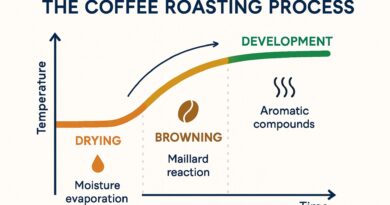
- Drying efficiency
- Maillard momentum
- Development balance
- Heat application logic
Colour becomes a result, not a goal.
Practical Solutions to Move Beyond Colour Confusion
1. Anchor Decisions to Roast Phases
Instead of asking “Is the colour right?” ask:
- Was drying even and controlled?
- Did Maillard progress steadily?
- Was development intentional, not rushed?
This shifts focus from appearance to process.
2. Use Colour as a Reference, Not a Target
Colour should confirm that your process landed where expected not force adjustments late in the roast.
If colour is off:
- Diagnose earlier phases
- Don’t “fix” it in the final 30 seconds
Late corrections damage flavor more than they help visuals.
3. Pair Colour With Sensory Feedback
Cup coffees blind and compare:
- Same colour, different flavor
- Different colour, similar flavor
This retrains the brain to trust taste over sight.
4. Standardize Language Internally
Replace vague terms with defined references:
- Development time ratio
- First crack timing range
- End temperature windows
Clear language reduces subjective interpretation.
5. Educate Customers Without Overpromising
Instead of selling roast colour, sell:
- Flavor profile
- Brewing suitability
- Origin expression
This aligns expectations with experience.
Conclusion
Roast colour is not the enemy but misunderstanding it is.
When roasters rely on colour as the primary signal, they sacrifice flavor clarity, consistency, and confidence. Colour should support good roasting decisions, not replace them.
The best roasters don’t chase how coffee looks.
They understand how it was built.
When structure is right, colour takes care of itself and so does the cup.
FAQ: Roast Colour and Coffee Roasting
Is roast colour completely unreliable?
No. It is useful as a reference point, but unreliable as a decision-making tool on its own.
Why do two coffees with the same colour taste different?
Because internal development, heat application, and bean chemistry differ.
Should roasters stop measuring colour?
No. Colour measurement is helpful for consistency checks, not process control.
Can customers accurately judge coffee by colour?
Rarely. Colour creates expectations that often don’t match flavor reality.
What should replace colour as the main reference?
Process control, roast phase management, and sensory evaluation should lead decisions.
Also read other articles :
- Climate Impact on Coffee Prices : A Roaster’s Perspective
- Specialty Green Coffee Beans: What Makes Them Specialty Grade
- Coffee Packaging Design: Psychology of Color for Impulse Buying
Follow us for practical coffee insights, brewing guides, and roastery education.