Why Customers Don’t Return to Roasteries After the First Purchase
For many roasteries, the hardest customer to acquire is the first one. Marketing, sampling, partnerships, and word of mouth eventually work. A customer buys a bag, tries the coffee, and the transaction is complete.
The quieter, more damaging problem often comes after that first purchase.
Across markets, roasteries regularly discover that customers who expressed clear initial interest fail to return. This happens even when the coffee is objectively good, fairly priced, and competently roasted. The loss rarely triggers a complaint. It simply shows up as silence.
Understanding why this happens requires looking beyond flavor quality and toward how customers experience reliability, clarity, and risk after the first interaction.
First Purchases Are Driven by Curiosity; Second Purchases Are Driven by Trust
The first purchase is often emotional. It is influenced by branding, recommendations, packaging, or novelty. The second purchase is different. It is a risk assessment.
Customers ask, consciously or not:
- Will this coffee perform the same way again?
- Do I understand what I am buying?
- Is reordering easy and predictable?
- Is the price justified by what I experienced?
When roasteries fail to convert first-time buyers into repeat customers, it is rarely because the coffee was “bad.” It is because the second purchase feels uncertain.
Trust, not excitement, is what drives retention.
Inconsistency Is the Fastest Way to Break Repeat Behavior
One of the most common causes of churn is subtle inconsistency.
A customer enjoys a coffee once and returns expecting a similar experience. The second bag may be slightly different: more acidic, less sweet, harder to brew, or simply unfamiliar. The roastery may view this as normal variation. The customer experiences it as unpredictability.
This problem is amplified when:
- coffees rotate frequently without clear explanation
- roast profiles shift quietly between batches
- green substitutions are not communicated
From the customer’s perspective, the question becomes simple: “If I buy this again, what will I get?” If the answer is unclear, the customer often chooses a safer option elsewhere.
Consistency does not mean uniformity across all products. It means reliability within a product’s promise.
Product Language Often Creates More Confusion Than Clarity
Many roasteries describe coffee in ways that make sense internally but confuse customers externally.
Tasting notes that change weekly, vague descriptors, or overly poetic language can undermine confidence. Customers struggle to connect what they tasted with what they read. When they cannot predict the outcome of the next purchase, they hesitate.
This is especially true for customers who brew at home or operate cafés. They are not seeking novelty every time. They are seeking performance they can repeat.
Clear, stable product positioning helps customers recognize coffees they enjoyed before and reorder them without re-evaluating from scratch.
Brewing Friction Is Often Mistaken for Preference
Another major driver of lost repeat purchases is brewing difficulty.
A coffee that performs beautifully under ideal conditions may be unforgiving in real-world use. Home brewers encounter sharp acidity or hollow cups. Café operators struggle to dial in consistently. Instead of blaming technique, customers often conclude that the coffee “isn’t for them.”
Roasteries sometimes interpret this as a preference mismatch. In reality, it is a usability problem.
Coffees that require narrow extraction windows, precise ratios, or ideal water conditions increase cognitive and operational load. When customers encounter friction, they rarely troubleshoot extensively. They switch.
Retention improves when coffees are designed not only to taste good, but to work reliably in the environments where they are used.
Pricing Feels Different After the First Experience
Price tolerance changes once the coffee is consumed.
Before the first purchase, customers evaluate price against brand and reputation. After the first purchase, they evaluate price against performance. If the coffee did not clearly outperform alternatives, the same price feels higher the second time.
This does not mean roasteries must compete on price. It means that value must be legible.
When pricing fluctuates frequently, sizes change, or similar coffees are priced inconsistently, customers sense instability. Even small inconsistencies can create doubt, particularly in wholesale relationships where margins are tight.
Stable, defensible pricing supports repeat behavior by reducing decision friction.
Operational Reliability Matters More Than Marketing Follow-Up
Retention is often framed as a marketing problem, solved through emails, loyalty programs, or promotions. These tools help, but they do not fix underlying operational issues.
Customers return when:
- orders arrive on time
- products are available when expected
- substitutions are communicated clearly
- questions are answered quickly and consistently
When these basics fail, no amount of messaging compensates. In fact, aggressive follow-up can amplify dissatisfaction by reminding customers of unresolved issues.
Roasteries that retain customers treat reliability as a core product feature, not a support function.
Too Much Choice Can Suppress Reordering
Large, constantly changing menus can unintentionally reduce repeat purchases.
When customers return and cannot find the coffee they enjoyed or must navigate a completely new lineup they are forced to reassess. That reassessment introduces doubt and increases the chance of abandonment.
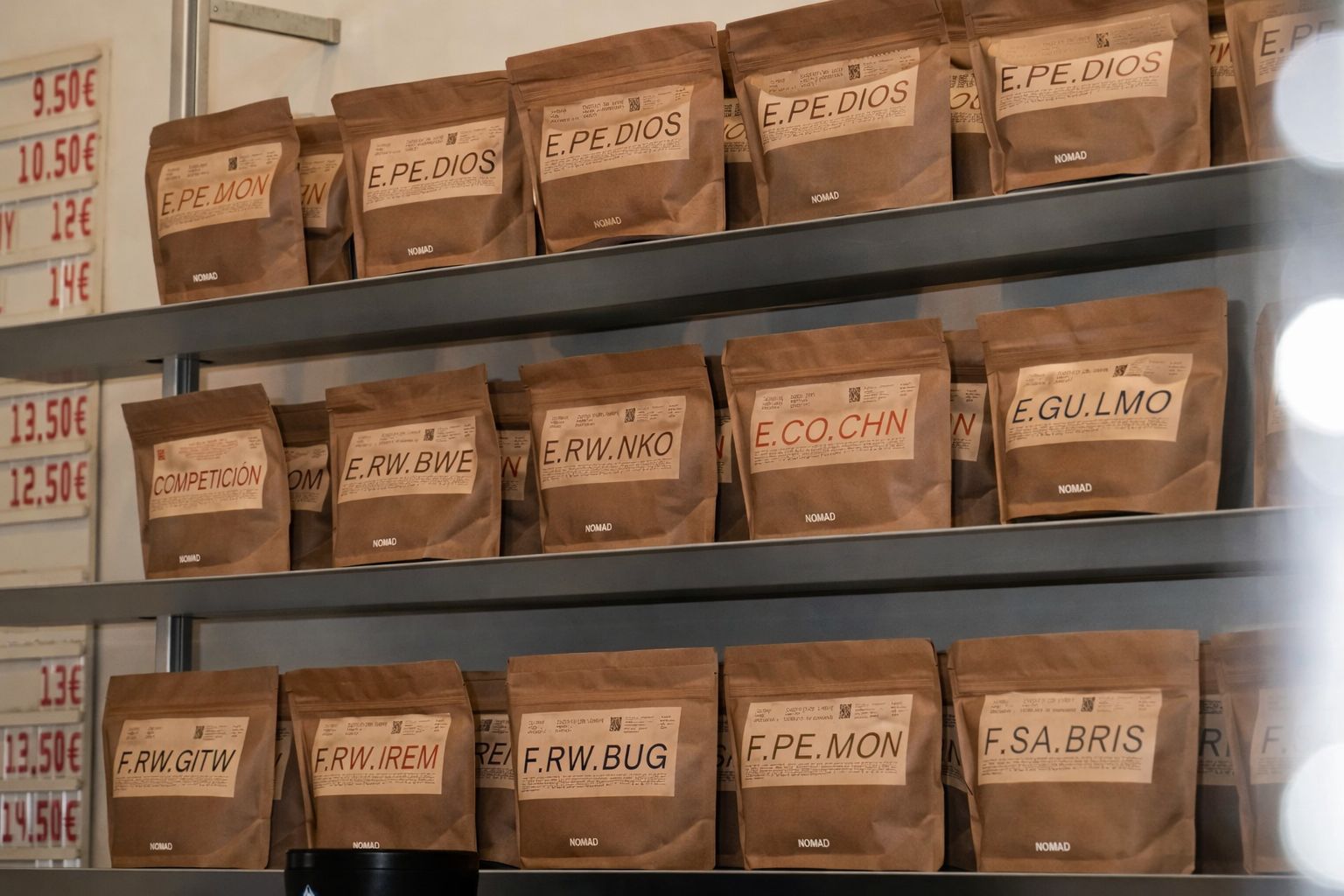
Successful roasteries often anchor their offerings around a small set of dependable coffees, with clear roles and expectations. Seasonal or experimental offerings exist, but they do not replace the familiar.
Reducing choice at the right moments makes reordering easier.
Silence Is Usually a Signal, Not Indifference
Customers who do not return rarely leave negative feedback. Silence is more common than complaint.
This silence is often misinterpreted as lack of interest. In reality, it usually reflects unresolved uncertainty:
- uncertainty about consistency
- uncertainty about value
- uncertainty about ease of use
Because switching costs are low, customers move on quietly rather than engaging in explanation.
Roasteries that actively investigate churn through sales data, account conversations, or internal review—often discover patterns that were invisible when focusing only on acquisition metrics.
A Practical Takeaway
Roasteries lose customers after the first purchase not because their coffee fails, but because their systems introduce avoidable uncertainty.
Retention improves when:
- products behave as expected
- language matches experience
- brewing is forgiving
- pricing feels stable
- operations are reliable
The most useful question is not “How do we get customers to come back?” but “Where are we making the second purchase harder than the first?”
Answering that question honestly often leads to fewer promotions, fewer surprises, and stronger relationships built not on novelty, but on trust.
Read other articles :
- Five Coffee Lots That Changed Specialty Coffee Quality
- Coffee Too Sour: How to Fix Sour Coffee Taste Fast
- Coffee Packaging Design: Psychology of Color for Impulse Buying
Follow us on :