The Art of Coffee Roasting, Techniques and Tips for Better Flavor
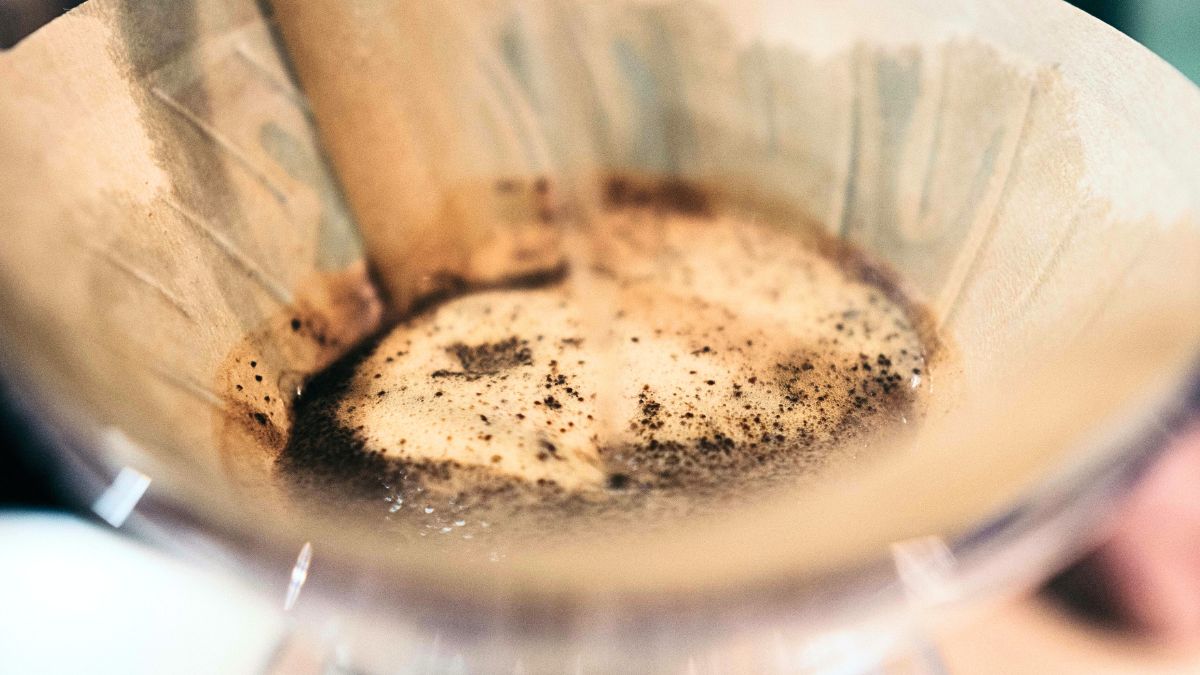
The coffee roasting process is where raw potential transforms into flavor. While green coffee beans carry the genetic and environmental underpinnings of flavor, roasting is the process that unlocks aroma, balance, and complexity. For coffee roasters, roasting is both a technical discipline and an art that is refined through experience.
This article explores essential coffee roastig ntechniques and practical tips to help roasters better understand how heat, time, and airflow shape the final cup of coffee.
Understanding Coffee Roasting as a Craft
Coffee roasting isn’t just about darkening the beans. It’s about managing the chemical reactions that transform green coffee into a flavorful and delicious product.
During roasting, coffee beans undergo:
- Moisture loss
- Sugar caramelization
- Maillard reaction
- Structural expansion
Every decision made during roasting affects flavor clarity, sweetness, acidity, and viscosity.
Main Stages of the Coffee Roasting Process
1. Drying Phase
The roasting process begins with the drying phase. During this phase, the moisture in the green coffee beans evaporates as the temperature increases.
This phase is crucial because uneven drying can lead to burnt or underdeveloped flavors in later roasting stages.
2. Browning Phase
As the temperature increases, the coffee beans begin to change color from yellow to light brown. This is where the Maillard reaction occurs, creating complex flavor compounds.
Precise control during this phase helps develop sweetness and aromas without burning the sugars.
3. First Crack and Development
First crack marks a crucial transition point. The coffee beans expand, release gas, and become porous. From here, the roaster controls the development time to shape the final flavor profile.
A short development emphasizes acidity and brightness. A longer development increases the thickness and intensity of the roast.
General Coffee Roasting Techniques
Light Roasting Techniques
Light roasts emphasize origin characteristics such as floral aromas, fruity acidity, and clarity. This style requires precise heat control and clean airflow to avoid grassy or sour flavors.
Light roasts are often preferred for specialty coffees and cupping evaluations.
Medium Roasting Technique
Medium roasts aim for balance. They combine sweetness, acidity, and body without overpowering the original flavors. Many coffee roasters use this profile for consistency and broad consumer appeal.
Dark Roasting Technique
Dark roasts focus on robust flavors, bitterness, and smoky notes. Although the origin characteristics become less prominent, careful control is still necessary to avoid burnt or ashy results.
Important Tips for Better Coffee Roasting
Monitor the Roasting Curve Closely
Tracking the temperature curve helps roasters maintain consistency. Sudden drops or spikes in temperature often result in uneven roasting.
Control Airflow and Heat Together
Airflow affects how heat is transferred within the roasting drum. Balanced airflow helps remove smoke while maintaining stable roasting conditions.
Adjust to Bean Density and Origin
High-altitude coffees often require more energy at the beginning of the roast. Lower-density beans respond to heat more quickly and require more gentle control.
Rest Your Coffee Before Evaluating
Freshly roasted coffee needs time to release its gases. Allowing the beans to rest improves flavor clarity during the cupping and brewing process.
Common Coffee Roasting Mistakes
Even experienced roasters face challenges. Common mistakes include:
- Speeding up the roasting process
- Ignoring development time
- Overreacting to temperature changes
- Using one roast profile for all coffees
Understanding these mistakes helps roasters improve consistency and quality.
Roasting as a Continuous Learning Process
Coffee roasting is never static. Changes in green coffee quality, climate, and equipment require constant adjustments. Successful roasters treat roasting as a continuous learning process supported by data, tasting, and experience.
Regular cupping and record-keeping help refine roasting decisions over time.
Conclusion
The art of coffee roasting lies in the balance between science and intuition. By understanding the roasting stages, applying proven techniques, and learning from each batch, coffee roasters can unlock the full potential of every coffee they roast.
Expertise doesn’t come from copying the pros.
Thank you.
Also read other articles:
- Light vs Medium vs Dark Roast: Which Coffee Tastes Best?
- 5 Coffee Roasting Methods Used by Professional Roasteries
- 5-ways-to-roast-raw-coffee
- 10 Things Every Coffee Roastery Should Know Before It’s Too Late
Don’t forget to leave a comment. 🙂