Five Coffee Lots That Changed Specialty Coffee Quality
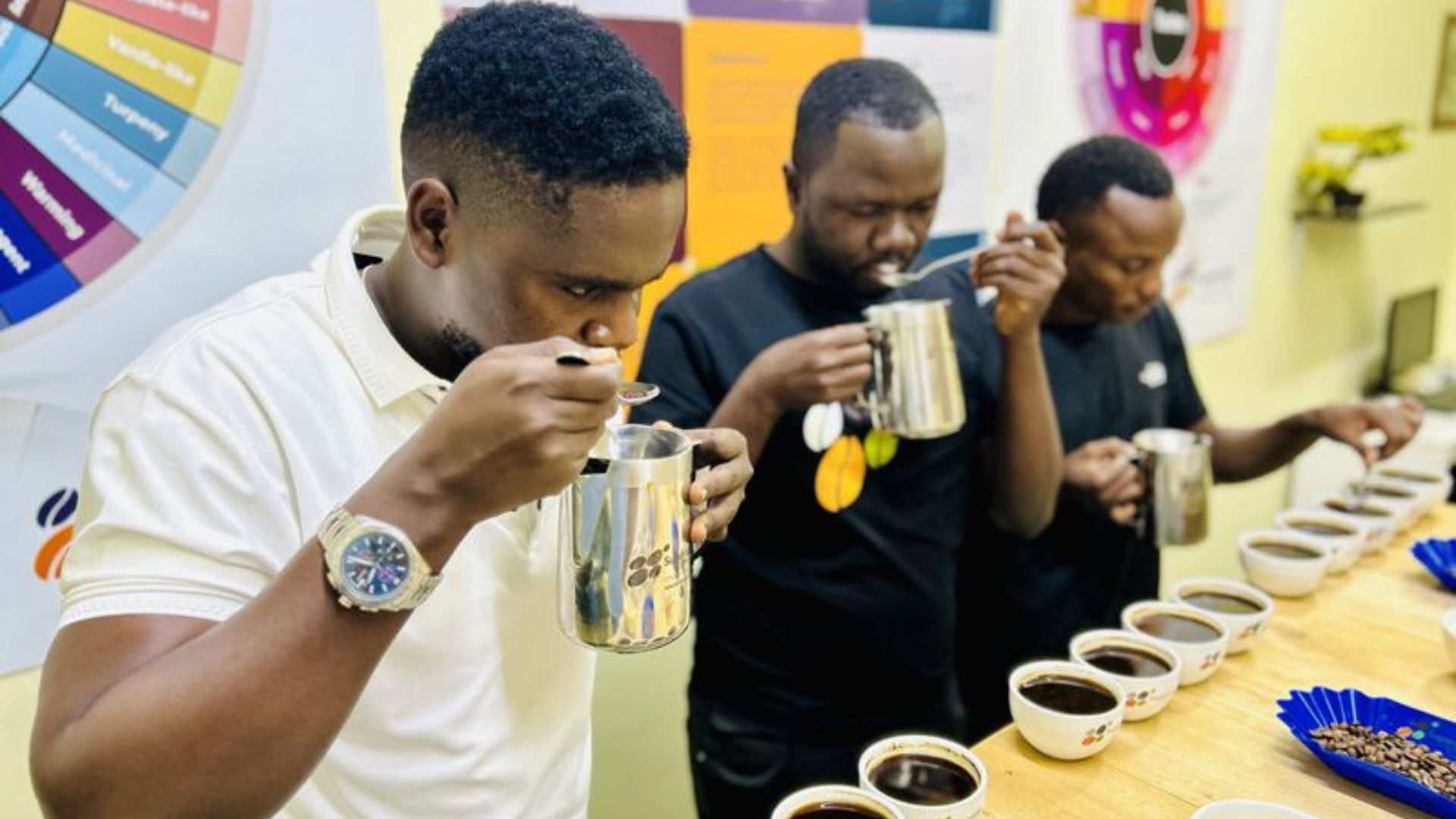
Quality in specialty coffee is often discussed as if it were a fixed destination: higher scores, cleaner cups, rarer varieties. In reality, the industry’s understanding of quality has evolved through a series of disruptions specific coffees that forced buyers, roasters, and producers to reconsider what “better” actually means.
These moments were not driven by marketing narratives or abstract trends. They were anchored in individual lots that challenged existing frameworks: how coffee should taste, how it should be processed, how much it should cost, and how risk should be distributed across the supply chain.
For roasteries and green buyers, these coffees matter not because they were exceptional in isolation, but because they reshaped the criteria used to evaluate everything that followed.
Several of these coffee lots that changed specialty coffee quality did more than impress on the cupping table they reshaped how buyers and roasteries evaluate risk, consistency, and value.
Below are five coffee lots that, in different ways, changed how quality is defined and operationalised in specialty coffee.
1. Panama Geisha Lots That Redefined Sensory Value
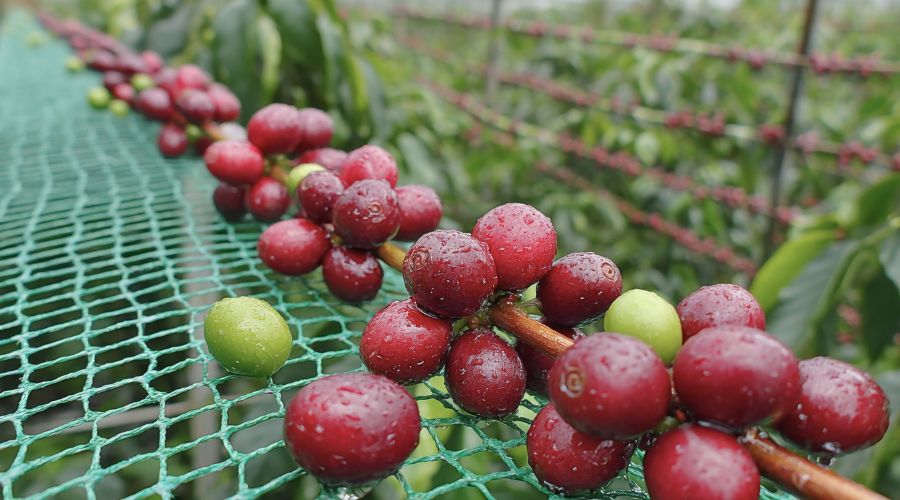
Few coffees have altered the industry’s perception of quality as profoundly as early high-scoring Panama Geisha lots from Boquete and later Volcán and Renacimiento.
These coffees did more than introduce a distinctive flavour profile. They reframed the relationship between sensory character and economic value. Floral aromatics, extreme clarity, and elongated acidity challenged the long-held assumption that sweetness and balance alone defined excellence.
For buyers and roasters, the impact was structural. Geisha lots forced the market to accept that difference itself could be a quality attribute, even when it deviated sharply from familiar profiles. They also exposed the limits of traditional scoring systems, which struggled to contextualise coffees that were polarising but undeniably distinctive.
Operationally, these lots introduced new risks. Green prices rose sharply, roast tolerances narrowed, and customer expectations intensified. Many roasteries learned often painfully that extraordinary flavour does not always translate cleanly into repeatable production or broad market acceptance.
Quality, after Geisha, was no longer just about refinement. It was about definition.
Read also : Green Coffee Purchasing Strategy for Roasteries Under Market!
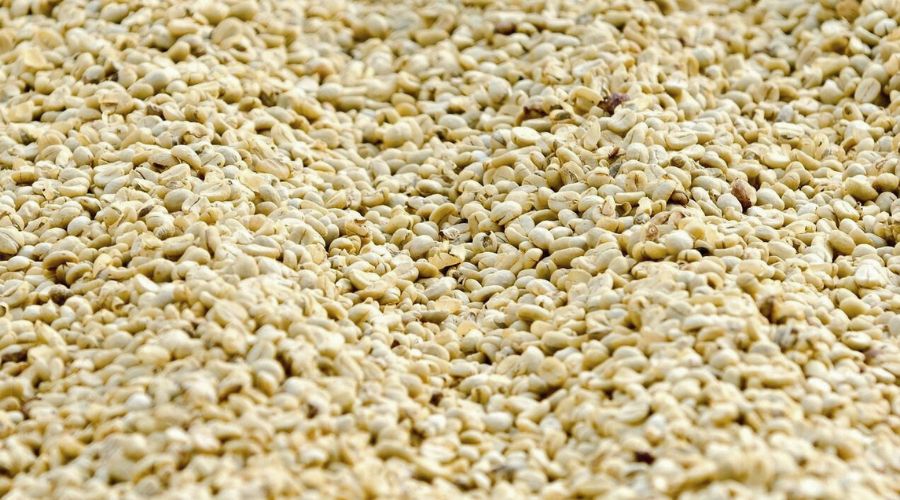
2. Ethiopian Washed Lots That Set the Benchmark for Cleanliness
Long before experimental processing became mainstream, certain Ethiopian washed lots quietly established a different standard: structural cleanliness.
These coffees did not rely on novelty. Instead, they demonstrated how meticulous fermentation control, rapid drying, and careful lot separation could produce cups of remarkable transparency. For cuppers, they became reference points for what “clean” actually meant not neutral, but precise.
Their influence extended beyond flavour. Importers and roasteries began to treat processing discipline as a core quality metric, not merely an origin characteristic. Intake protocols, defect thresholds, and green storage practices were adjusted to protect subtle aromatics that could be easily lost.
The unintended consequence was operational pressure. These coffees performed beautifully under ideal conditions but exposed weaknesses elsewhere in the chain. Inconsistent water activity, ageing, or aggressive roast development could quickly erase their advantages.
Quality, as defined by these lots, became inseparable from handling.
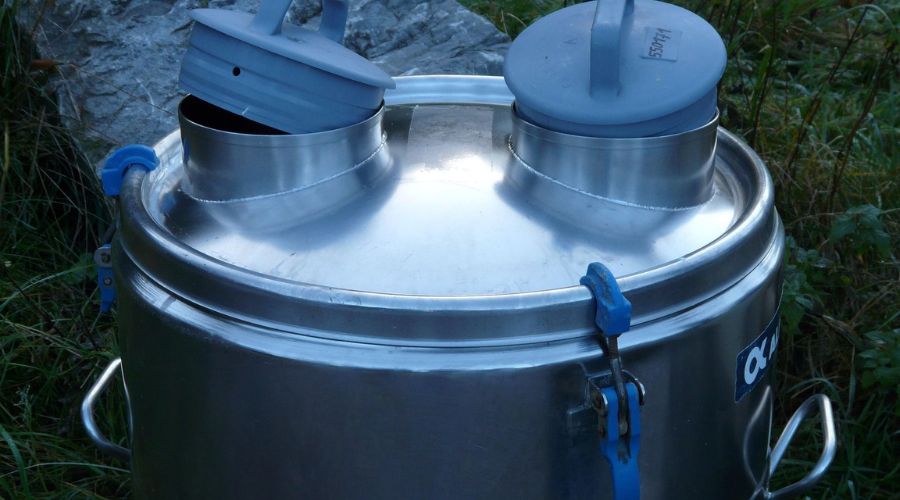
3. Controlled Anaerobic Lots That Challenged the Meaning of “Clean”
The arrival of controlled anaerobic fermentation marked one of the most contentious shifts in specialty coffee’s quality discourse.
Certain early anaerobic lots particularly those executed with discipline rather than improvisation forced the industry to confront an uncomfortable question: Can a coffee be both clean and unconventional?
These coffees expanded flavour boundaries without descending into overt defect. Structured fruit intensity, altered acidity, and distinctive aromatics demonstrated that fermentation character did not automatically imply instability.
For roasteries, the lesson was not that anaerobic processing was universally superior, but that intentionality mattered more than method. Quality was no longer defined solely by the absence of fermentation influence, but by whether that influence was controlled, transparent, and repeatable.
The risk profile, however, was substantial. Shelf life shortened. Batch-to-batch consistency became harder to maintain. Misalignment between green condition and roast approach often resulted in exaggerated defects.
These lots did not lower the bar for quality. They complicated it.
Read also : Consistency Tips for Roasteries Managing Multiple Origins and Lots
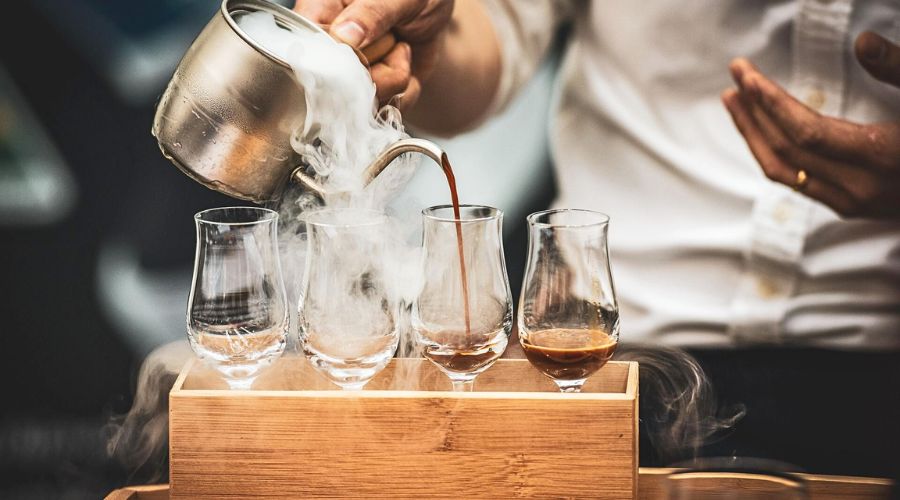
4. Competition Lots That Exposed the Limits of Market Translation
Certain competition-winning lots designed explicitly for performance on the cupping table revealed a critical disconnect between evaluated quality and commercial viability.
These coffees often excelled in controlled sensory environments but proved fragile in production. Narrow extraction windows, extreme solubility, or volatile aromatics made them difficult to replicate across multiple batches or brew methods.
For roasteries, the takeaway was sobering. A coffee could represent the pinnacle of judged quality while remaining unsuitable for wholesale programs, subscriptions, or cafés with variable technical conditions.
These lots sharpened the industry’s understanding that quality is contextual. What performs in competition does not automatically translate into operational success.
As a result, many buyers began separating showcase quality from production quality a distinction that continues to influence buying strategies today.
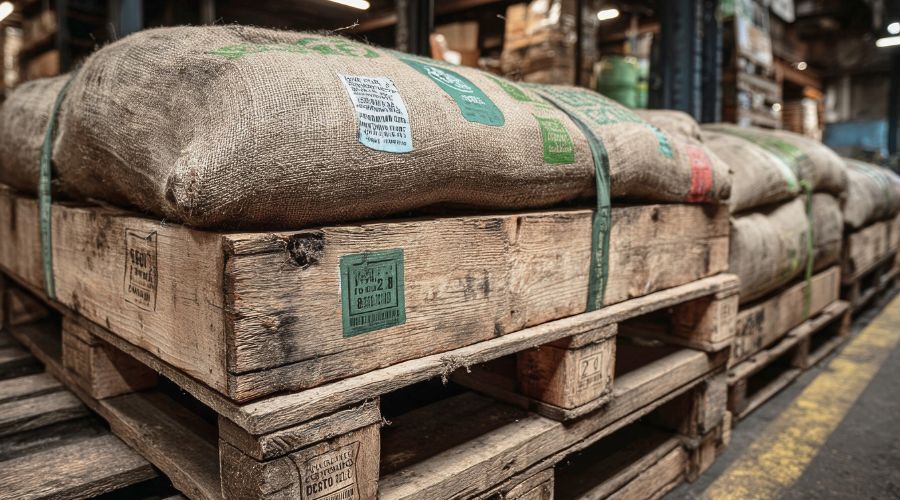
5. Traceable Smallholder Lots That Reframed Quality as Systemic
Perhaps the most understated shift came not from flavour extremes, but from well-documented smallholder lots that demonstrated consistency through systems rather than scale.
These coffees showed that quality could be repeatable without estate-level infrastructure, provided that cherry selection, fermentation timing, drying protocols, and lot segregation were rigorously managed.
For buyers and roasteries, this challenged a long-standing assumption: that smallholder supply was inherently inconsistent. Quality, in this context, became a function of coordination and transparency rather than farm size.
The implication was far-reaching. Buyers invested more heavily in long-term relationships. Roasteries adjusted intake standards to reflect known process parameters rather than generic origin expectations.
These lots expanded the definition of quality beyond the cup, embedding it within the reliability of the system that produced it.
What These Lots Have in Common
Despite their differences, these five examples share a common trait: each exposed a limitation in how quality had previously been understood.
They revealed that quality is not a single axis measured by score or price. It is a composite of sensory character, processing discipline, logistical integrity, and operational fit.
For roasteries managing margins, capacity, and customer expectations, this evolution matters. Buying decisions based solely on reputation or cupping scores increasingly fail to account for downstream realities: consistency, shelf life, and market alignment.
Read also : Cost-Control Tips That Actually Work in Daily Roastery Operations
A Practical Takeaway
The most influential coffee lots in specialty history are not just memorable for how they tasted. They mattered because they forced the industry to refine its thinking.
For today’s professionals, the relevant question is not which coffee is the “best,” but which coffees redefine what quality means for your operation. A lot that excels in one context may introduce risk in another.
Quality is no longer an abstract ideal. It is a negotiated outcome between flavour, process, and system reliability. Recognising that may be the most important shift these coffees have prompted and the one that continues to shape how specialty coffee evolves.
Follow us on :