
Coffee Packaging Design: Psychology of Color for Impulse Buying
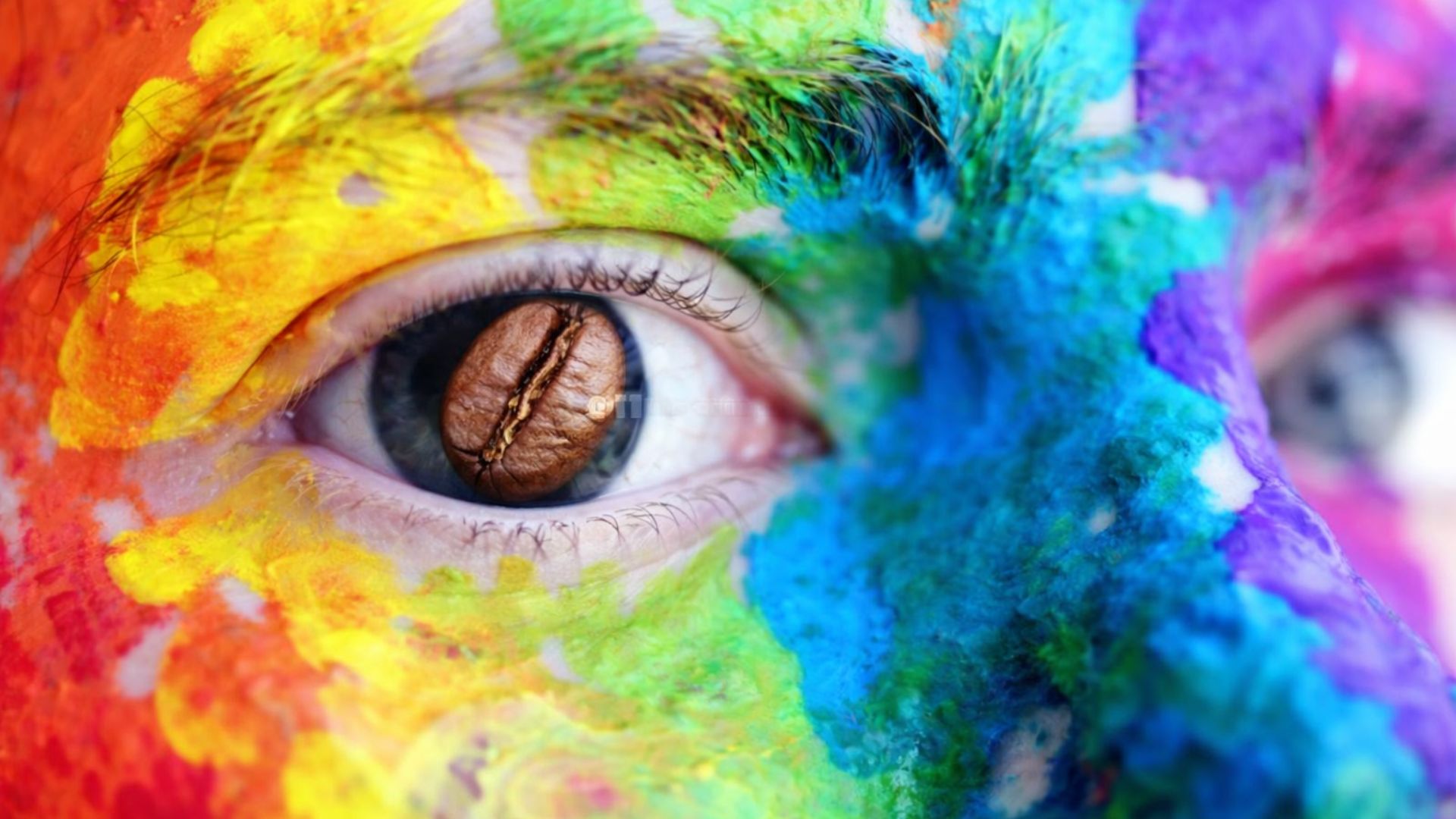
Introduction: Great Coffee Doesn’t Sell Itself
You can roast the best coffee beans in the world perfect sourcing, flawless roast profiles, and consistent quality.
But if your coffee packaging fails to grab attention, customers may never try it.
In a crowded shelf or online marketplace, people make buying decisions in less than 5 seconds. That decision is driven by visual psychology, not logic.
This article explains how coffee packaging design triggers impulse buying, using color psychology and proven design principles specifically tailored for coffee roasteries and specialty brands.
Why Coffee Packaging Matters More Than You Think
Packaging Is Your Silent Salesperson
Before tasting, smelling, or reading reviews, customers judge coffee by:
- Color
- Shape
- Typography
- Visual clarity
According to consumer behavior studies:
- 85% of buyers say color influences purchasing decisions
- Products with clear visual hierarchy sell faster
- Premium packaging increases perceived value instantly
Key Insight:
Your packaging doesn’t just protect coffee it communicates quality, emotion, and identity.
Understanding Impulse Buying in Coffee Products
What Is Impulse Buying?
Impulse buying happens when:
- Emotions override logic
- Visual cues trigger curiosity
- The product feels “right” instantly
Coffee is perfect for impulse buying because it is:
- Affordable
- Consumable
- Emotion-driven (comfort, ritual, lifestyle)
Packaging must activate:
- Curiosity
- Trust
- Desire
The Psychology of Color in Coffee Packaging
How Colors Influence Coffee Buying Behavior
Each color triggers different emotional responses. Choosing the wrong color can weaken your brand even if your coffee is excellent.
1. Black: Premium, Bold, Sophisticated
Best for:
- Specialty coffee
- Limited editions
- Dark roast or exclusive origins
Psychology:
- Luxury
- Authority
- High quality
Tip: Matte black with minimal text increases perceived value.
2. Brown & Earth Tones: Natural and Authentic
Best for:
- Single origin coffee
- Ethical and sustainable brands
- Organic positioning
Psychology:
- Warmth
- Authenticity
- Craftsmanship
Use case: Perfect for storytelling-focused roasteries.
3. White: Clean, Modern, Transparent
Best for:
- Light roast coffee
- Nordic-style branding
- Modern specialty coffee
Psychology:
- Clarity
- Honesty
- Simplicity
Design Tip: Use white space generously to reduce visual noise.
4. Green: Freshness and Sustainability
Best for:
- Eco-friendly brands
- Organic or traceable coffee
- Psychology:
- Nature
- Health
- Responsibility
Avoid: Overusing bright green it can look generic.
5. Red & Orange: Energy and Urgency
Best for:
- Espresso blends
- Retail-focused products
Psychology:
- Excitement
- Appetite
- Impulse
Warning: Too much red can feel aggressive for specialty coffee.
[Image placement suggestion: Color psychology chart for coffee packaging]
Typography: The Hidden Persuasion Tool
Fonts Speak Louder Than Words
Typography affects how people feel about your coffee.
- Serif fonts → traditional, artisanal
- Sans-serif fonts → modern, clean
- Handwritten fonts → personal, small-batch
Rule: Never use more than two font families on packaging.
Visual Hierarchy: Tell the Eye Where to Look
What Customers See First Matters
Your packaging should guide the eye in this order:
- Brand name
- Coffee type or origin
- Flavor notes
- Roast level
- Additional details
Use:
- Size contrast
- Color contrast
- Spacing
Mistake to avoid: Too much information kills impulse buying.
Minimalism vs Information: Finding the Balance
Less Sells More (When Done Right)
Impulse buyers don’t read paragraphs. They scan.
Best practices:
- Short tasting notes (3–5 words)
- Icons instead of text
- Clear roast indicators
Advanced Tip: Use QR codes for deeper storytelling without clutter.
Packaging Shape and Texture Matter Too
Impulse buying is not only visual it’s tactile.
Consider:
- Matte vs glossy finish
- Soft-touch packaging
- Resealable zip locks
Fact: Products that feel premium are judged as tasting better.
Branding Consistency Builds Recognition
Consistency Creates Familiarity
Use consistent:
- Color palette
- Logo placement
- Layout structure
This helps:
- Repeat purchases
- Brand recall
- Shelf recognition
Internal link placeholder: Link to branding guideline or brand story page.
Step-by-Step: How to Design Impulse-Buying Coffee Packaging
- Define your target buyer
- Choose one dominant color
- Select typography that matches brand voice
- Simplify information
- Test packaging in real environments
- Collect customer feedback
Pro Tip: Photograph packaging on shelves and mobile screens.
Common Coffee Packaging Mistakes to Avoid
- Copying famous brands blindly
- Overloading text
- Ignoring color psychology
- Inconsistent branding
- Cheap material choice
Each mistake reduces trust and impulse potential.
Conclusion: Packaging Is a Sales Strategy, Not Decoration
Coffee packaging is not about being pretty it’s about selling without speaking.
By applying:
- Color psychology
- Clear visual hierarchy
- Emotional design principles
You turn your packaging into a powerful impulse-buying trigger.
Great coffee deserves packaging that sells it instantly.
Frequently Asked Questions (FAQ)
1. What color is best for coffee packaging?
There is no single best color. It depends on brand positioning and target audience.
2. Does premium packaging really increase sales?
Yes. Premium packaging increases perceived value and willingness to pay.
3. Should specialty coffee use minimal design?
Yes, but with strong branding and clarity.
4. Is packaging more important than branding?
Packaging is part of branding it delivers the brand message instantly.
5. Can small roasteries compete with big brands through packaging?
Absolutely. Smart design often beats big budgets.
Also read:
- The Art of Coffee Roasting, Techniques and Tips for Better Flavor
- Coffee Cupping Analysis, How Professionals Evaluate Coffee
- 10 Things Every Coffee Roastery Should Know Before It’s Too Late
Don’t forget to subscribe


