
Coffee Supply Chain Explained, From Farm to Roastery
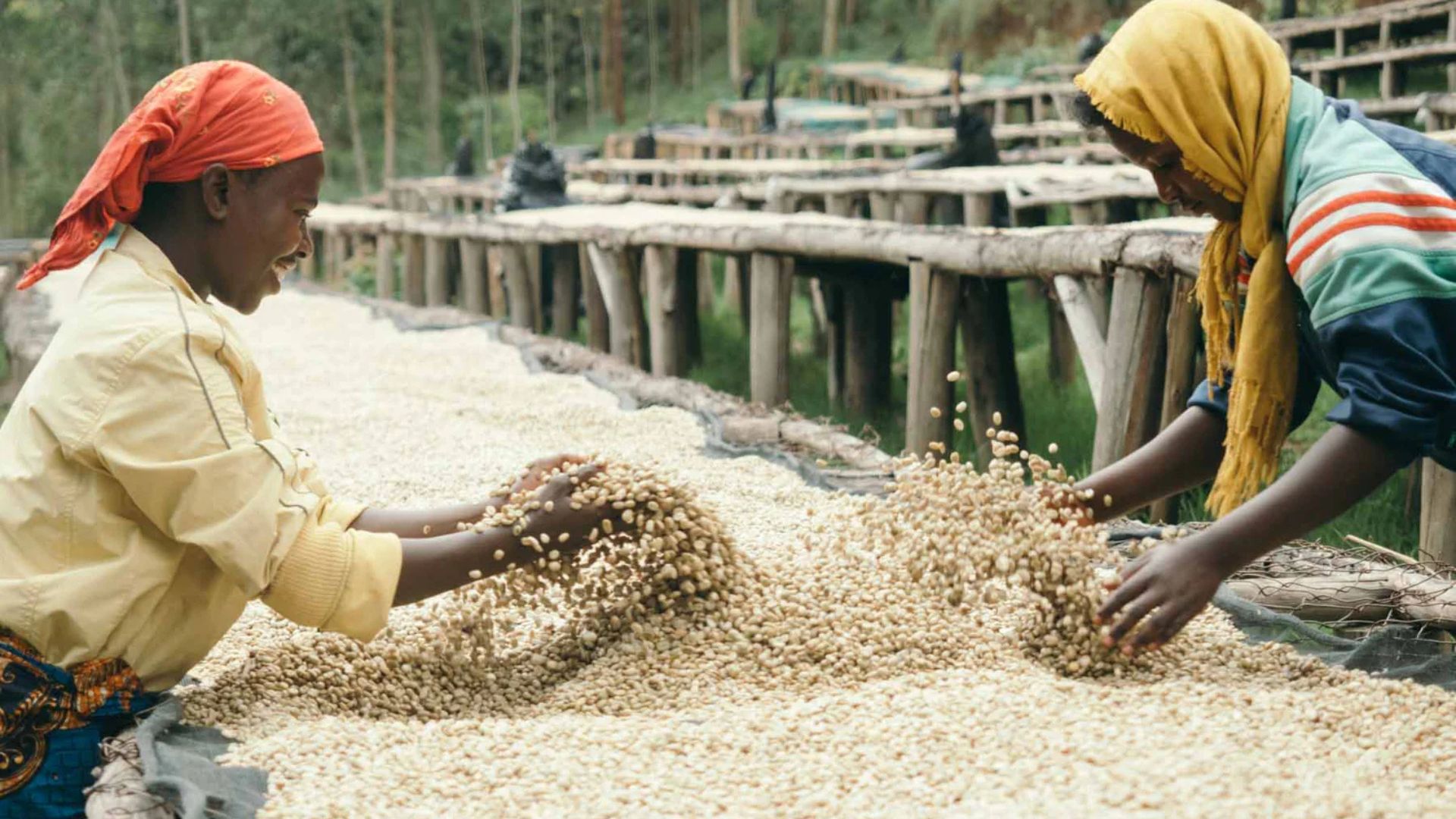
The coffee supply chain is the backbone of the global . Every cup of coffee depends on a complex network that connects farmers, processors, exporters, importers, roasters, and retailers across different countries and continents.
Understanding how the coffee supply chain works helps coffee professionals reduce risk, improve quality, control costs, and build more sustainable sourcing strategies.
What Is the Coffee Supply Chain?
The coffee supply chain refers to the entire journey of coffee beans, from cultivation at the farm level to delivery at the roastery or final market. Each stage plays a critical role in determining coffee quality, availability, and price.
Unlike many agricultural products, coffee travels long distances and passes through multiple hands before reaching the consumer.
Key Stages of the Coffee Supply Chain
1. Coffee Farming and Harvesting
The supply chain begins with coffee farmers. They grow coffee trees, manage soil health, control pests, and harvest ripe coffee cherries.
Key factors at this stage include:
- Climate and altitude
- Harvest timing
- Labor availability
- Farming practices
Mistakes at the farm level cannot be fully corrected later in the supply chain.
2. Processing and Drying
After harvesting, coffee cherries are processed to remove the outer layers and dry the beans. Common processing methods include washed, honey, and natural.
Processing affects:
- Flavor profile
- Moisture content
- Storage stability
Proper drying and handling are essential to avoid mold, fermentation defects, and quality loss.
3. Storage and Local Logistics
Once dried, green coffee is stored in warehouses before export. At this stage, moisture control, ventilation, and packaging materials are crucial.
Poor storage conditions can damage coffee even if earlier steps were done correctly.
4. Exporting and International Shipping
Exporters prepare green coffee for international markets by grading, bagging, and handling documentation. Coffee is then shipped by sea or land to importing countries.
Challenges at this stage include:
- Shipping delays
- Container shortages
- Rising freight costs
- Customs regulations
Supply chain disruptions often occur here.
5. Importing and Warehousing
Importers receive green coffee and store it in climate-controlled warehouses. From there, coffee is distributed to roasters based on contracts and demand.
Importers play a key role in:
- Quality control
- Inventory management
- Price stability
6. Roasters and Final Distribution
Roasters transform green coffee into roasted coffee for retail, wholesale, or café use. Consistent supply and reliable delivery schedules are essential for roastery operations.
Any disruption earlier in the supply chain can directly affect roasting schedules and product availability.
Common Challenges in the Coffee Supply Chain
The coffee supply chain faces ongoing challenges, including:
- Climate change impacting crop yields
- Price volatility in global markets
- Logistics disruptions
- Quality inconsistency
- Lack of transparency
These challenges make supply chain management a critical skill for coffee businesses.
How Transparency Improves the Coffee Supply Chain
Transparent supply chains allow stakeholders to trace coffee back to its origin. This helps improve quality control, ethical sourcing, and long-term relationships.
Benefits of transparency include:
- Better pricing decisions
- Stronger producer relationships
- Reduced risk of defects
- Improved sustainability outcomes
Why Supply Chain Knowledge Matters for Roasters
For roasters, understanding the supply chain helps with:
- Planning inventory
- Managing cash flow
- Selecting reliable partners
- Communicating value to customers
Roasters who understand supply chains make better sourcing decisions and respond faster to market changes.
Future Trends in Coffee Supply Chains
The coffee industry is moving toward:
- More direct trade relationships
- Digital traceability tools
- Sustainable logistics solutions
- Risk diversification across origins
Supply chain resilience is becoming a competitive advantage.
Conclusion
The coffee supply chain is more than logistics. It is a system that determines quality, price, sustainability, and long-term success for everyone involved.
By understanding each stage of the supply chain, coffee professionals can build stronger partnerships, reduce risk, and deliver better coffee to the market.
read other articles
- 7 ways to choose raw coffee beans don’t make a mistake again!
- How to Start Your Own Coffee Roastery : A Step-by-Step Guide
- Climate Impact on Coffee Prices : A Roaster’s Perspective



👍🏻👍🏻
Thanks you