Understanding Heat Transfer in Coffee Roasting
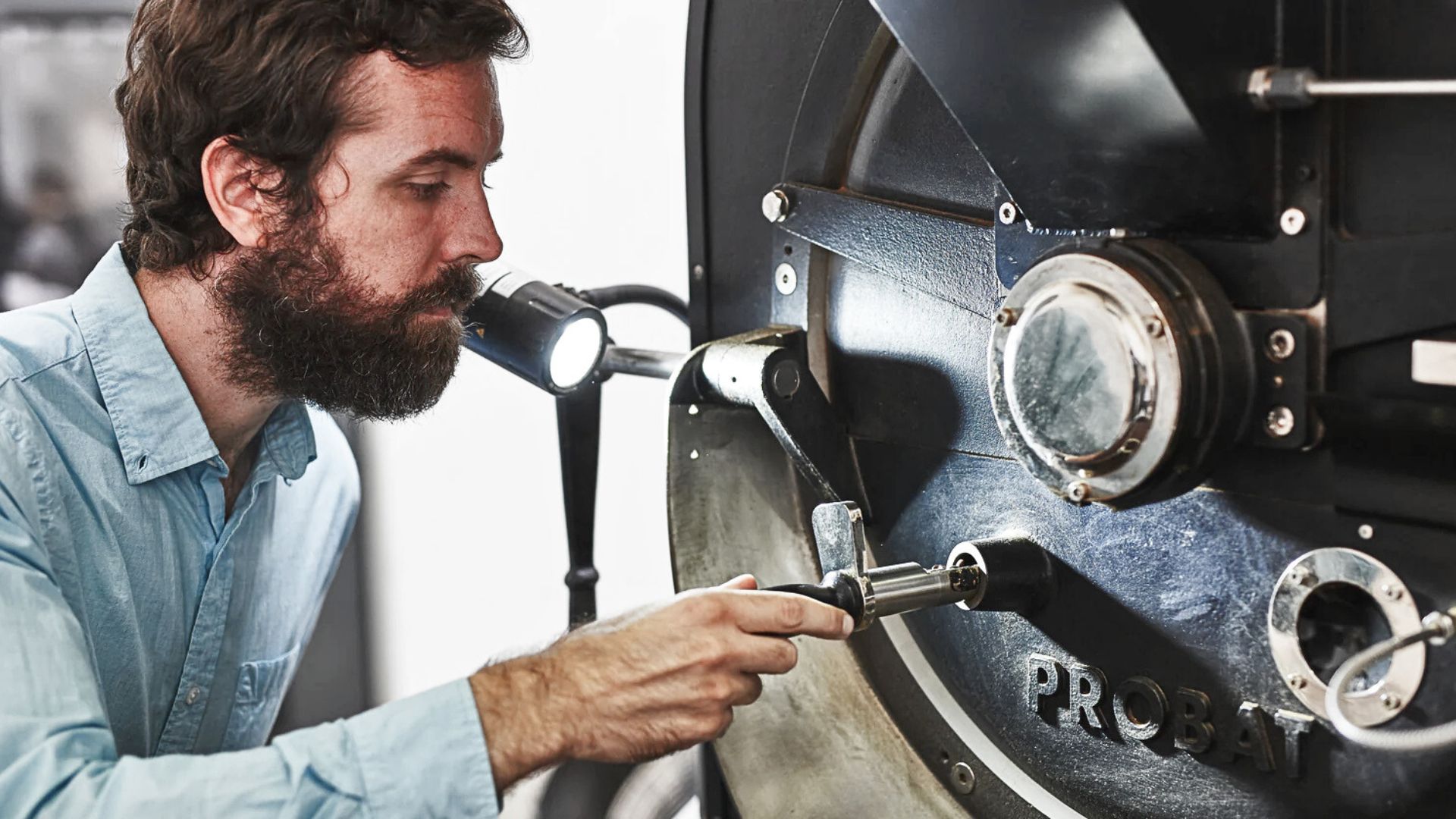
Heat transfer is the foundation of coffee roasting. Every flavor decision a roaster makes whether intentional or not is the result of how heat moves from the roaster into the coffee bean.
Yet many roasting problems blamed on “green quality” or “profile issues” actually stem from a poor understanding of heat transfer. Without mastering how heat behaves, even the best green coffee will struggle to reach its potential.
This article explains heat transfer in coffee roasting clearly and practically, helping roasters understand what is really happening inside the drum and how to control it.
Why Heat Transfer Matters More Than Roast Curves
Roast curves show what happened, not why it happened.
Heat transfer explains:
- Why beans heat up too fast or too slowly
- Why first crack arrives early or late
- Why the same profile tastes different on another machine
- Why scaling production changes flavor
Once you understand heat transfer, roast curves become easier to interpret and adjust.
Read also : Roast Inconsistency Between Batches: 5 Practical Solutions
The Three Types of Heat Transfer in Coffee Roasting
All coffee roasting relies on three forms of heat transfer. Every roaster uses all three what changes is which one dominates.
1. Conduction (Direct Contact Heat)
Conduction occurs when heat moves through direct contact.
In roasting, this happens when:
- Beans touch the hot drum surface
- Beans contact other hot beans
- Beans sit against hot metal paddles or vanes
Characteristics of conduction:
- Fast heat transfer
- Strong influence on surface development
- Can cause scorching or tipping if excessive
High conduction often produces:
- Heavy body
- Darker surface tones
- Less acidity if uncontrolled
Drum roasters rely heavily on conduction, especially early in the roast.
2. Convection (Hot Air Heat)
Convection transfers heat through moving hot air.
This occurs when:
- Heated air flows through the bean mass
- Air velocity controls heat delivery
- Exhaust and airflow settings change heat intensity
Characteristics of convection:
- More even heat distribution
- Better control over rate of rise
- Cleaner, brighter flavor expression
High convection often produces:
- Clear acidity
- More defined origin character
- Cleaner finishes
Fluid-bed and hybrid roasters rely more heavily on convection.
3. Radiation (Infrared Heat)
Radiation transfers heat through electromagnetic waves, without direct contact.
In roasting, radiation comes from:
- Hot drum walls
- Burners and heating elements
- Glowing metal surfaces
Characteristics of radiation:
- Subtle but constant heat input
- Difficult to measure directly
- Becomes more influential as metal heats up
Radiant heat contributes to background energy that shapes the roast over time.
Heat Transfer Changes Throughout the Roast
One of the most common roasting mistakes is treating heat transfer as static.
In reality, heat transfer changes constantly.
Early Roast (Drying Phase)
- Beans are cold and absorb heat rapidly
- Conduction dominates
- Too much heat causes surface damage
Maillard Phase
- Internal reactions accelerate
- Convection becomes more important
- Balanced heat transfer is critical
Development Phase
- Beans release heat (exothermic)
- Excessive heat leads to baked or flat flavors
- Gentle, controlled heat preserves sweetness
Understanding when to rely on each heat type is more important than the absolute temperature.
Read also : Green Coffee Bean Density and Its Impact on Roast Profiles
How Roaster Design Influences Heat Transfer
Not all roasters behave the same even at identical temperatures.
Key design factors include:
- Drum material and thickness
- Drum speed and vane design
- Airflow path and exhaust efficiency
- Burner placement and response time
This is why profiles cannot be copied directly between machines. The heat delivery mechanism, not the curve, defines roast behavior.
Common Heat Transfer Problems (and Their Causes)
Scorching
- Excessive conduction early in the roast
- High charge temperature
- Low drum speed
Tipping
- Aggressive heat spikes
- Uneven bean contact
- Poor airflow balance
Baked Flavors
- Insufficient heat momentum
- Overly flat rate of rise
- Weak convection during Maillard
Inconsistent Batches
- Variable airflow
- Heat saturation differences
- Inconsistent green density or moisture
Most defects trace back to mismanaged heat transfer, not timing alone.
Practical Tips for Better Heat Control
- Think in energy, not just temperature
- Adjust airflow as a heat control tool, not just smoke management
- Avoid chasing the curve respond to bean behavior
- Expect different heat needs as batch size changes
- Take notes on cause and effect, not just settings
Good roasters don’t memorize profiles. They understand heat.
Heat Transfer and Flavor Development
Different heat transfer balances produce different flavor outcomes:
- High conduction → heavier body, darker sugars
- High convection → brighter acidity, clarity
- Balanced approach → sweetness, structure, and complexity
There is no “correct” balance only the balance that fits your coffee, market, and brew method.
What This Means for Roasters
Understanding heat transfer gives roasters:
- Greater consistency
- Faster problem diagnosis
- Easier scaling decisions
- More intentional flavor control
It turns roasting from reactive adjustment into controlled decision-making.
Read also : Essential Tools for Effective Coffee Cupping
Final Thoughts
Heat transfer is the language coffee roasting speaks. Once you learn to listen, the roast tells you what it needs.
Understanding conduction, convection, and radiation and how they shift throughout the roast allows roasters to move beyond trial and error toward repeatable quality.
Thank you for taking the time to read this article to the end. We hope it helps you better understand what is really happening inside your roaster and gives you confidence to make smarter, more intentional roasting decisions that lead to better coffee in the cup.
Join the newsletter
Follow us on :