
Why Some Coffees Sell Well Despite Lower Cupping Scores
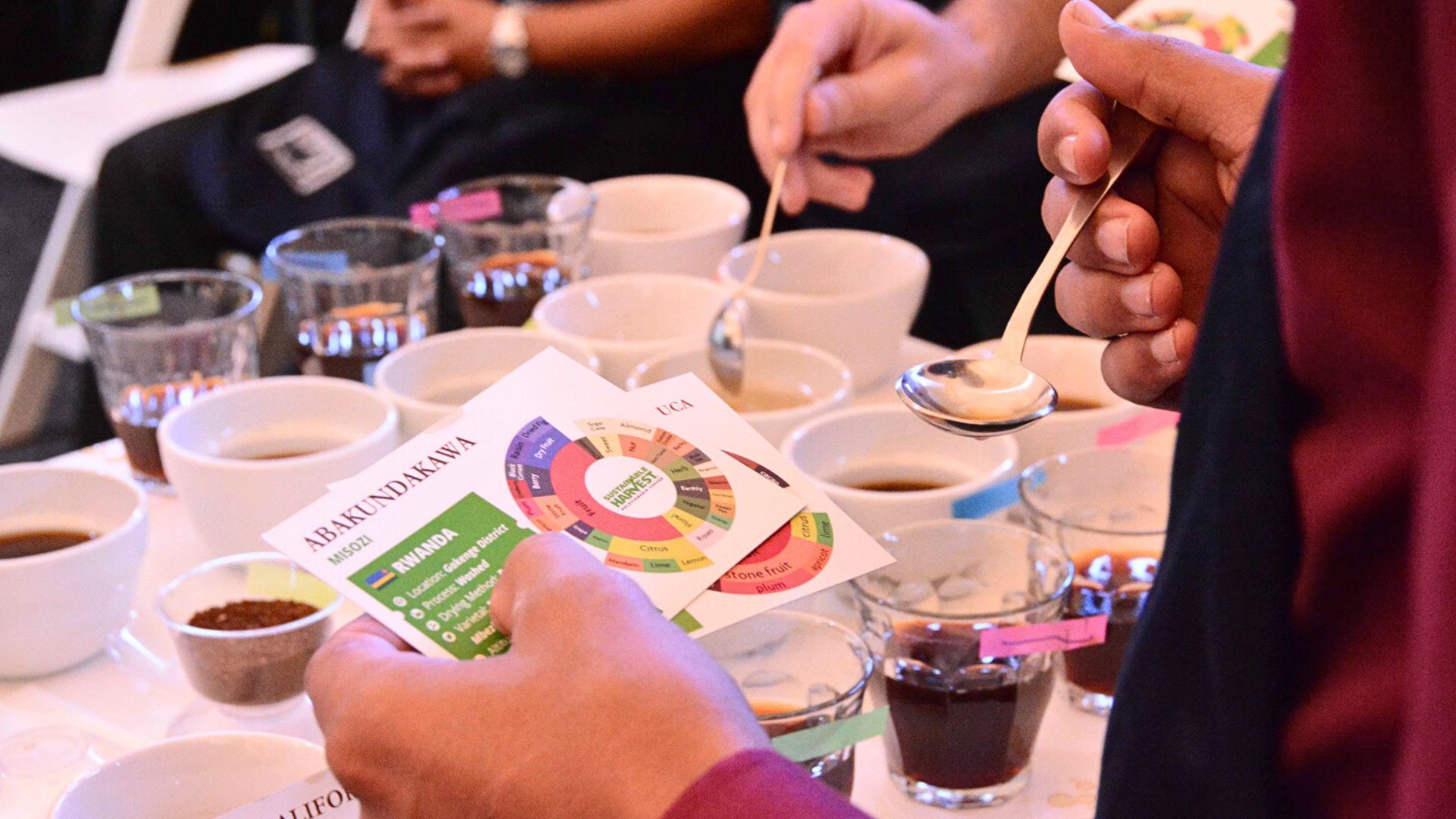
In specialty coffee, cupping scores are often treated as a proxy for quality. Higher scores suggest better flavor, greater complexity, and at least in theory higher market value. Yet in practice, many roasteries observe a contradiction: some coffees with modest or even low cupping scores consistently outsell higher-scoring alternatives.
This is not a failure of cupping. It is a misunderstanding of how coffee is actually bought, brewed, and consumed in the real market.
Understanding why lower-scoring coffees can perform better commercially is essential for roasteries trying to balance quality, consistency, margins, and customer expectations.
Cupping Scores Measure Sensory Potential, Not Market Fit
Cupping scores are designed to evaluate coffee under controlled conditions. They measure attributes such as aroma, acidity, sweetness, balance, and aftertaste, typically in a standardized brew ratio and protocol.
What they do not measure is how that coffee performs in everyday use.
Most customers do not drink coffee under cupping conditions. They brew it at home, in cafés, on espresso machines, batch brewers, or manual methods often with inconsistent grind size, water quality, and ratios.
A coffee that shines on the cupping table may lose its appeal when brewed casually. Meanwhile, a simpler coffee with lower perceived complexity may remain enjoyable and forgiving across a wide range of brew styles.
This gap between sensory evaluation and real-world consumption explains much of the disconnect between scores and sales.
Read also : What Makes Coffee Taste Sour? 3 Factors That Control Acidity
Accessibility Matters More Than Complexity
High-scoring coffees often express intense acidity, unusual fermentation notes, or delicate aromatics. These characteristics excite trained palates but can overwhelm or confuse mainstream drinkers.
Many consumers prefer coffees that are:
- Sweet rather than sharp
- Familiar rather than challenging
- Balanced rather than expressive
Lower-scoring coffees frequently deliver exactly this profile. They may lack top-end acidity or floral nuance, but they offer chocolatey, nutty, or caramel notes that feel approachable and comforting.
From a sales perspective, accessibility often beats complexity.
Consistency Builds Trust, Not Scores
One of the most overlooked factors in coffee sales is consistency.
Lower-scoring coffees are often:
- Less volatile in roasting
- More forgiving of profile variation
- More stable across batches and seasons
This makes them easier to produce consistently at scale.
Customers may not articulate this directly, but they respond to it intuitively. When a coffee tastes the same week after week, trust builds. When flavor shifts noticeably even if the coffee remains “high quality” customers hesitate.
Many high-scoring coffees are difficult to roast consistently, especially in production environments. Small changes in airflow, charge temperature, or development time can dramatically alter the cup.
Consistency, not score, is what keeps customers coming back.
Brewing Method Alignment Drives Sales
Another reason lower-scoring coffees sell well is compatibility with popular brew methods.
A coffee that performs acceptably across espresso, filter, and milk-based drinks will naturally reach a wider audience. Many high-scoring coffees are optimized for filter brewing and lose clarity or balance under espresso extraction.
Lower-scoring coffees often have:
- Higher solubility
- Lower perceived acidity
- Stronger base sweetness
These traits translate well into milk drinks, batch brew, and high-volume café service segments that drive the majority of coffee sales.
Read also : Specialty Green Coffee Beans: What Makes Them Specialty Grade
Price Sensitivity Shapes Perceived Value
For most customers, coffee purchasing is habitual rather than aspirational.
They are not asking, “Is this the highest-scoring coffee available?”
They are asking, “Is this coffee worth what I’m paying for it?”
Lower-scoring coffees typically allow roasteries to:
- Price products more competitively
- Maintain margins during cost increases
- Offer reliable year-round options
When customers perceive value good flavor at a reasonable price sales follow. High scores do not automatically justify higher prices unless the brand has already built trust and education around them.
Familiar Flavor Profiles Reduce Risk for Buyers
From a psychological standpoint, consumers are risk-averse.
A coffee described as “clean, sweet, chocolate-forward” feels safe. A coffee described as “funky, winey, anaerobic” signals uncertainty.
Lower-scoring coffees often sit firmly in the “safe choice” category. This lowers the mental barrier to purchase, especially for repeat buying.
For cafés and wholesale buyers, the same logic applies. They prioritize coffees that:
- Are easy to sell to customers
- Do not require extensive explanation
- Perform reliably across baristas and shifts
Cupping Scores Do Not Capture Brand Context
Coffee is never consumed in isolation. It is consumed within a brand experience.
Packaging design, café environment, pricing strategy, and brand voice all influence how coffee is perceived. A well-positioned brand can successfully sell lower-scoring coffees by aligning flavor with identity and expectations.
Conversely, high-scoring coffees sold without context often underperform because customers do not understand why they should care.
Scores matter most in professional buying conversations not necessarily in consumer purchasing decisions.
What This Means for Roasteries
For roasteries, the lesson is not to ignore cupping scores but to contextualize them.
Scores are tools for evaluation, not guarantees of success.
Successful roasteries understand that:
- Market fit outweighs theoretical quality
- Consistency beats complexity in daily sales
- Customer preference matters more than industry benchmarks
Balancing high-scoring limited releases with reliable core coffees allows roasteries to serve both exploration and stability.
Read also : Best Coffee Shops in London: 5 Iconic Cafés Every Coffee Lover.
Final Thoughts
Some coffees sell well despite lower scores because coffee is not judged solely by numbers. It is judged by experience, habit, comfort, and trust.
Understanding this does not lower standards it raises them. It forces roasteries to think beyond the cupping table and consider how coffee actually lives in the hands of customers.
Thank you for taking the time to read this article to the end. We hope it helped clarify why commercial success in coffee often follows different rules than professional evaluation and why understanding your market can be just as important as understanding your cup.
Join the newsletter
Follow us on :