Espresso Machine Technology 2025: What Cafés Need to Know
Espresso machines and grinders are talking to each other now. Literally.
In 2025, equipment technology crossed a major threshold: machines that communicate with grinders to maintain shot consistency automatically. When your shots start pulling too fast, the machine tells the grinder to adjust finer without touching anything.
This isn’t future tech. It’s shipping now from multiple brands. Here’s what actually changed this year and why it matters.
The Big Innovation: Self-Adjusting Systems
What changed: Machines now monitor extraction and automatically adjust grinder settings in real-time.
Who’s doing it: Nuova Simonelli (C-Automation), Sanremo (Machine-to-Grinder Link), and Wega (SmartGrind) all launched systems in 2025.
Why it matters: Cafés report 15-20% reduction in wasted shots. That’s real money saved, and more consistent drinks for customers.
The catch: Premium pricing and increased complexity. Not every café needs this level of automation.
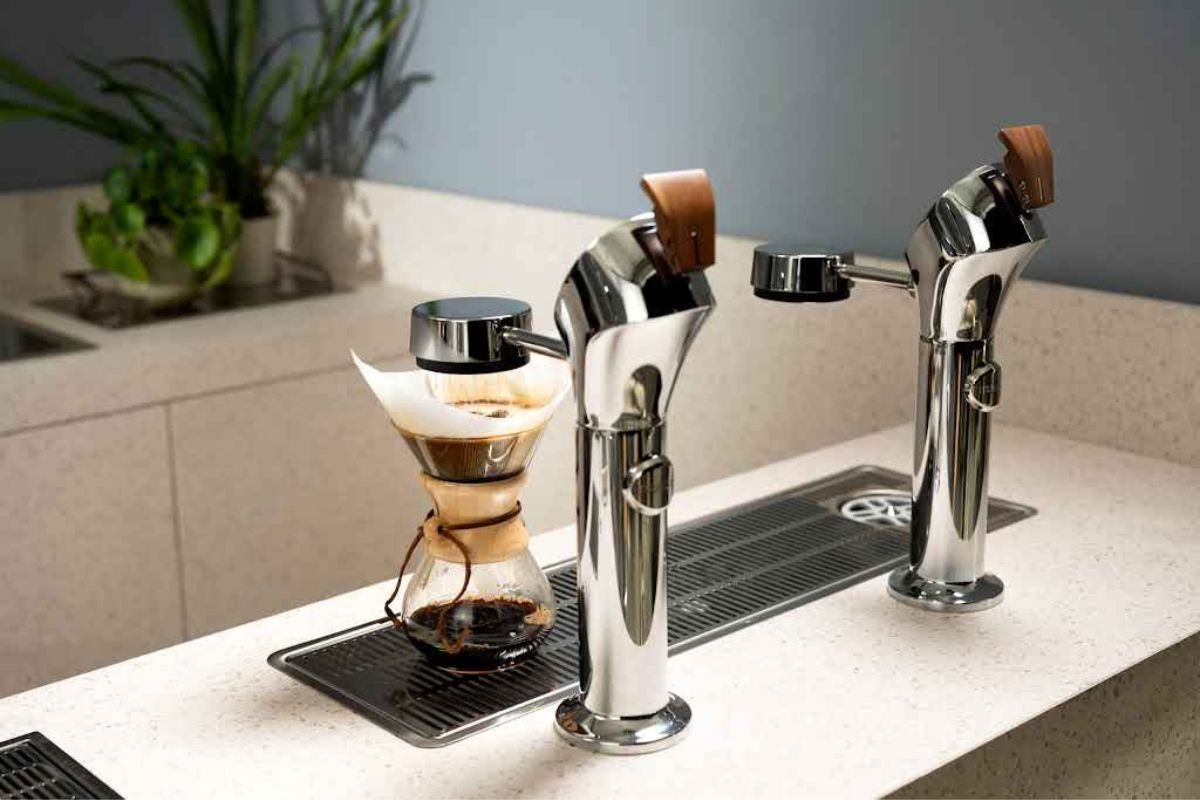
La Marzocco Modbar: Redesigned Pour-Over + New Tea System
What’s new: Redesigned Modbar Pour-Over with better temperature control and flow dynamics, plus a new Modbar tea solution.
The angle: La Marzocco is betting on aesthetics and workflow over technology trends. Under-counter installation keeps bar tops clean.
Who needs it: Design-conscious cafés with space constraints and budget to match. Installation costs are significant.
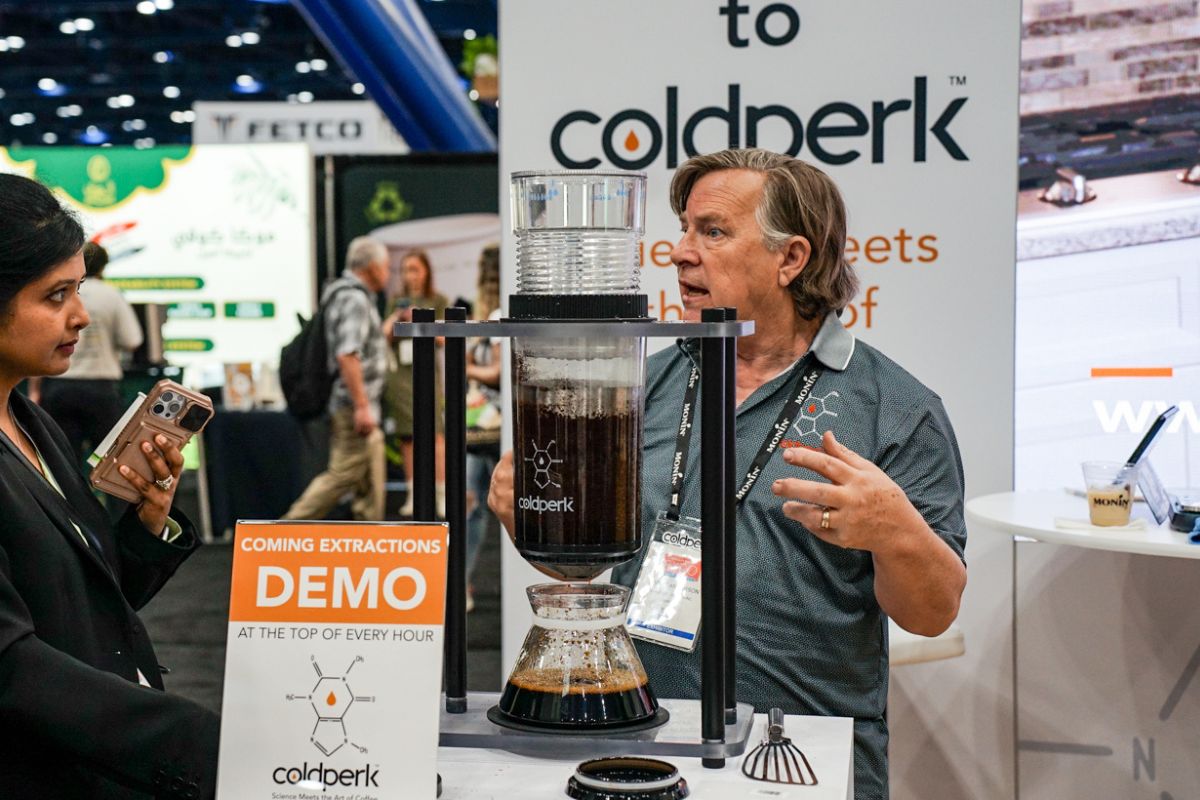
ColdPerk Café 2: In-House Cold Brew Concentrate
The pitch: Gravity-fed brewer produces espresso-strength cold concentrate in-house. No wiring or heating elements needed.
Why it matters: Stop relying on suppliers. Make your own concentrate for cold brew, nitro, and specialty drinks.
The economics: Equipment investment vs. ongoing supplier costs. Works best for cafés with sufficient volume.
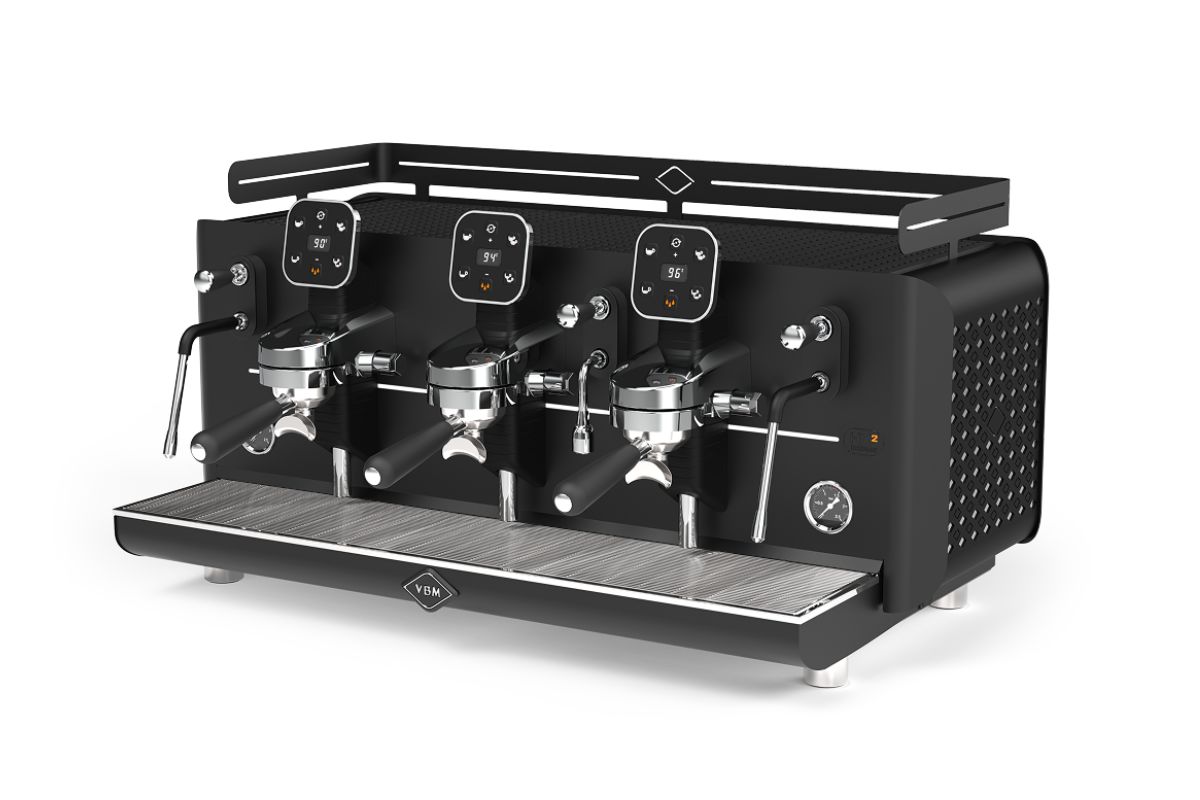
VBM Audrey: Heat Exchanger Gets Upgraded
The innovation: New HX² heat-exchanger technology claims better temperature stability and recovery time.
Why it matters: If performance claims hold up, mid-range cafés get near-premium performance at heat-exchanger prices.
The skepticism: Heat-exchanger improvements have been promised before. Needs real-world testing in busy cafés.
Read also : Climate Impact on Coffee Prices : A Roaster’s Perspective
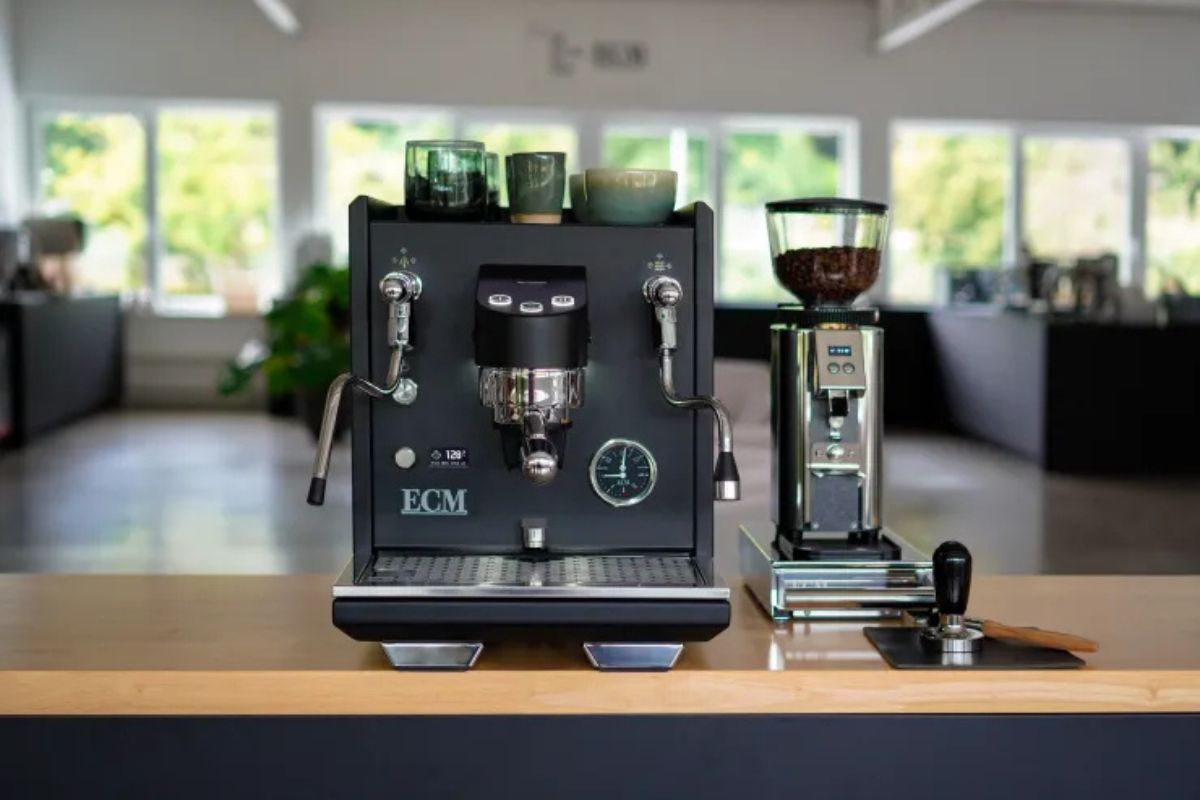
ECM Goes Commercial: Estetika, Discover, and Exacto
The lineup: Single-group Estetika espresso machine, larger Discover model, and Exacto grind-by-weight grinder.
The strategy: German precision meets commercial durability. ECM leveraging its home-equipment reputation for café market.
Key feature: Exacto grind-by-weight eliminates dose variation critical for consistency.
The challenge: Commercial equipment requires robust service networks. ECM needs to prove it can support cafés long-term.
Wega: Cloud Connectivity via LTE
Beans2Cloud Next: LTE-enabled telemetry system (upgraded from Wi-Fi). Solves café connectivity issues.
SmartGrind: Machine-to-grinder communication for automated adjustments.
Business value: Remote diagnostics, preventive maintenance alerts, multi-location monitoring from single dashboard.
Privacy concern: Cloud equipment generates operational data. How it’s stored and used remains an industry question.
Elektra Eklipto: Premium Features at Mid-Range Price
The approach: Bringing high-end features (PID control, pre-infusion, volumetric programming) to entry-level pricing.
Target market: Cafés wanting quality without top-tier costs.
The question: Can Elektra deliver genuine quality at this price point, or just a feature checklist?
Nuova Simonelli Appia Viva: Color Meets Connectivity
Visual story: Colorful ABS shells break from traditional stainless steel aesthetic.
Technical story: C-Automation connects machine and grinder via wired connection for automatic adjustments.
Why wired: Avoids wireless interference but requires more installation planning.
Target customer: Cafés seeking visual differentiation plus modern automation.
Sanremo IoT: All-In on Cloud Platform
Sanremo IoT: Internet platform for remote access to machine data, settings, and service tools.
Cross-brand compatibility: Machine-to-Grinder Link now works with Mahlkönig grinders important for preventing vendor lock-in.
Service advantage: Remote diagnostics mean fewer on-site technician visits.
Implementation risk: IoT platforms only work if they’re actually used. Interface and reliability determine real-world value.
The Tariff Problem Nobody Wanted
The situation: Trump administration tariffs disrupted equipment supply chains. Overseas manufacturers (most espresso makers) approaching U.S. market more cautiously.
Real effects: Delayed launches, absorbed costs, price increases. Some manufacturers exploring U.S. assembly to avoid import tariffs.
The uncertainty: Policy volatility makes long-term planning difficult for manufacturers operating on multi-year product timelines.
Read also : 7 ways to choose raw coffee beans don’t make a mistake again!
What This Means For Your Café
Consistency got easier: Automation reduces skill required for consistent quality. Helps good baristas stay consistent, makes mediocre baristas better.
Remote diagnostics save money: Fix issues without waiting for technician visits. Critical for single-location and multi-location operators.
Data drives decisions: Usage analytics reveal patterns for staffing optimization and training needs.
Costs increased: Advanced technology commands premium pricing. Factor in training and ongoing subscription costs.
Complexity trade-off: More sophisticated equipment requires more sophisticated understanding. Troubleshooting gets harder.
Do You Actually Need This Technology?
Yes, if you’re:
High-volume specialty café (hundreds of shots daily)
Multi-location operation (remote monitoring valuable at scale)
Design-focused space (equipment is showpiece)
Maybe not, if you’re:
Small owner-operated café (your expertise might exceed automation benefits)
Budget-conscious operation (traditional equipment still works)
Low-volume location (ROI on premium features unclear)
The Bottom Line
2025 brought real innovation machines and grinders that communicate to maintain consistency automatically. This changes café operations meaningfully.
But it comes with complications: higher costs, increased complexity, tariff uncertainty, and data privacy questions.
The key question isn’t “What’s the newest technology?”
It’s “What problem am I solving, and does this equipment actually solve it?”
The best espresso machine isn’t the most technologically sophisticated. It’s the one that fits your operation, skills, budget, and customers’ expectations.
In 2025, you have more options than ever. Choose based on your needs, not on impressive specifications you’ll never use.
The machine that makes you the most money is the one that shows up every morning, doesn’t break during rush hour, and consistently produces drinks customers want to pay for.
Everything else is just details.
Join the newsletter
Follow us on :